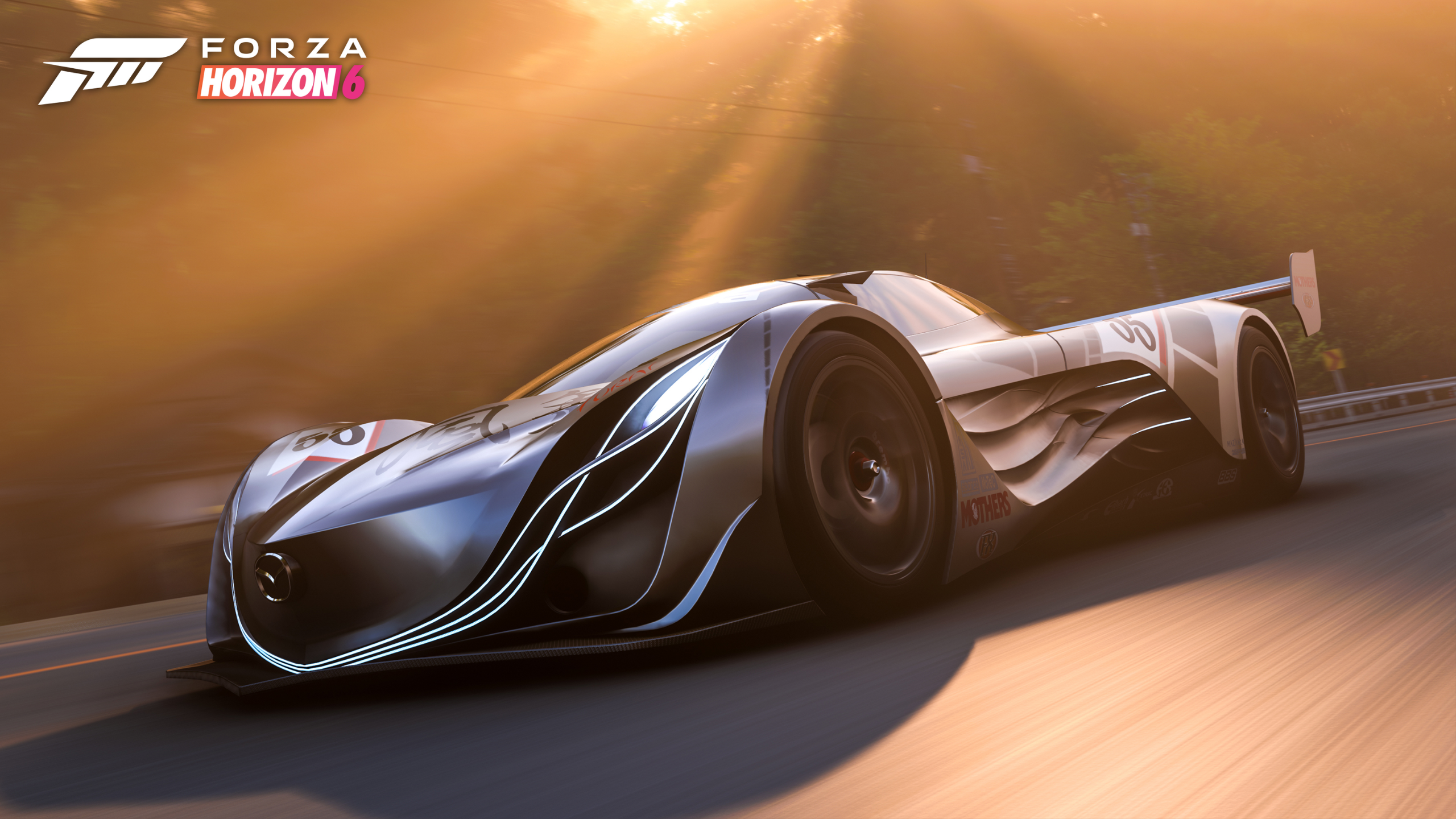
'Forza Horizon 6' players hunting for the best drift car in Japan's neon-soaked mountains are discovering an unlikely hero: a budget-friendly delivery truck that, with the right tune, can out-slide supercars across the game's drift zones. The revelation has been spreading through the 'Forza Horizon 6' community in recent days, as players trade notes on which vehicles handle the game's most demanding sideways challenges with the least fuss and the smallest dent in their in-game wallets.
Drifting is central to 'Forza Horizon 6'in a way it never quite was in previous entries. Set in Japan, a country long associated with the birth of modern drifting in the 1970s, the game's map is packed with winding touge roads, industrial estates and mountain passes seemingly designed for going sideways. The result is predictable. Players are spending less time chasing straight-line speed and more time trying to string together long, controlled slides from one drift zone to the next.
The big surprise, according to early community testing and hands-on experimentation, is how little the stock car matters compared with setup and skill. Outside a few obvious 'meta' picks, it is the tune not the badge on the bonnet that decides whether a car is a drift god or a ditch-seeking missile. That also means many of the standout drift machines in 'Forza Horizon 6' are cheap and easy to obtain, especially when compared with the rare hypercars that usually dominate racing games.
Forza Horizon 6 optimisation should be studied. Developers achieved almost photorealistic visuals.pic.twitter.com/EVLzXamzrJ
After dedicated players began systematically tackling every drift zone on the 'Forza Horizon 6'map,they swapped cars, tested user-created tunes and compared scores. The most effective builds were rarely complicated: rear-wheel drive, plenty of power, a differential that lets the rear step out predictably and enough steering angle to keep the car from snapping straight again too soon.
The writer whose testing underpins this ranking makes it clear that their list is grounded in personal experience, backed by feedback from other players and the hard reality of drift zone star ratings. Every car mentioned, they say, has carried them to completion across all of Japan's drift challenges.
Rather than reinventing the wheel with their own custom setups, they leaned heavily on the existing ecosystem of community tunes. Search 'Drift' in the tuning menu and familiar names appear repeatedly. 'Drift King.' 'Godlike Drift.' 'Drifting Monster.' These are not official designations, and the game's developers have not endorsed any particular tune, but popularity in this scene functions as a kind of crowd-sourced quality control.
Once applied, those tunes transform everyday cars into point-farming weapons. The author describes using them to breeze through even the more technical zones, underlining how powerful the shared knowledge of the player base has become in shaping the 'Forza Horizon 6' meta.
The real curveball, though, is the 'shockingly cheap delivery truck' that has emerged as a top-tier drift car. In a game that offers finely honed Japanese sports coupés and eye-wateringly expensive performance machines, the idea that a humble commercial vehicle can hang its rear out with the best of them feels almost like a joke right up until it starts putting up serious scores.
Its appeal is a mix of accessibility and absurdity. New players can buy it early, without grinding through hours of races. With the right drift tune, it becomes controllable enough for beginners yet loose enough to satisfy veterans hunting for massive angle and long, linking slides. There is a certain mischievous pleasure, too, in using something designed for hauling parcels to shred mountain hairpins in a hail of tyre smoke.
Source: International Business Times UK
