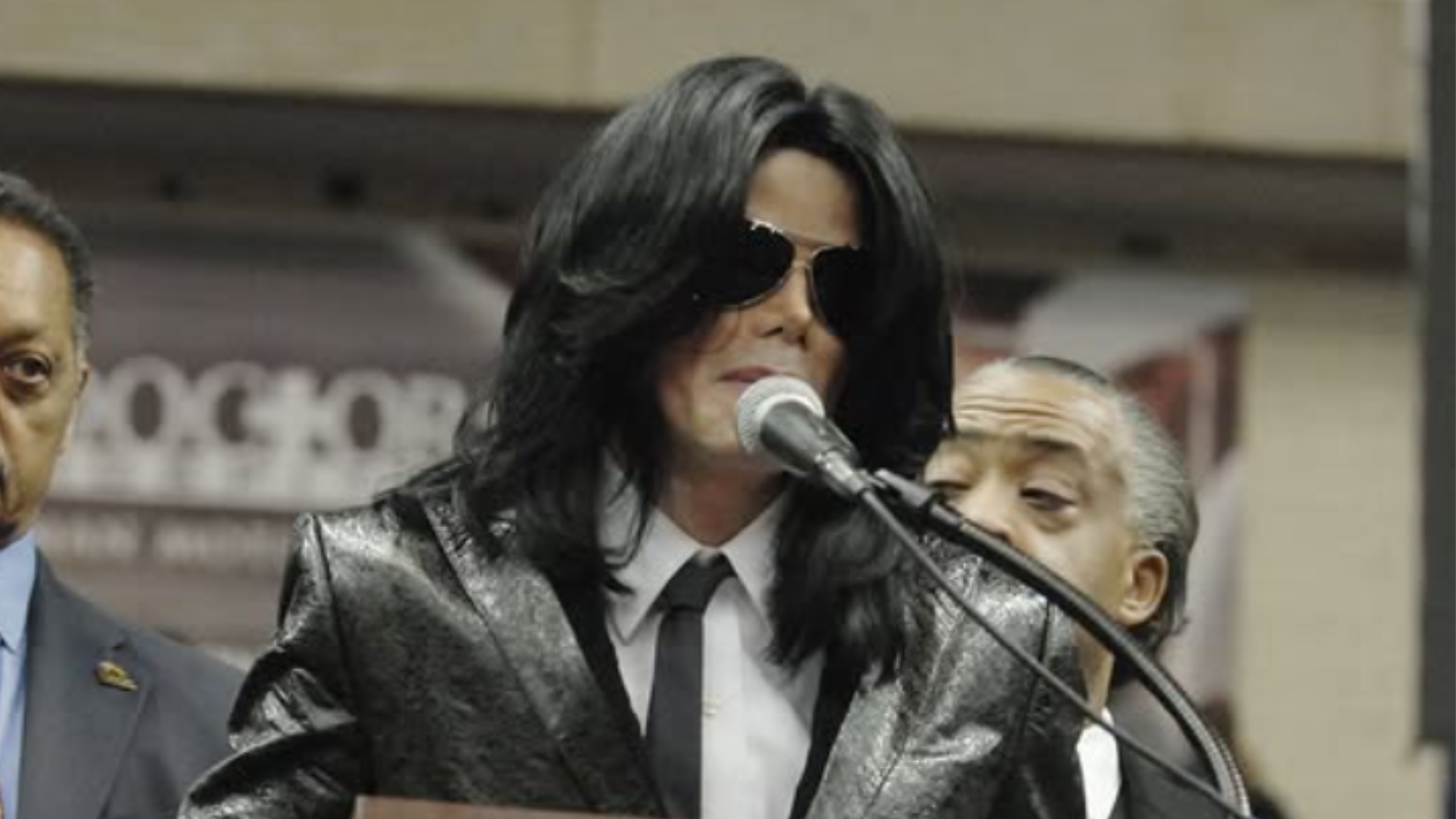
Recent online posts have reignited debate over long-standingallegations related to Michael Jackson and his Neverland Ranch. A viral video circulating on TikTok suggests that the late pop star was deliberately targeted with allegations to divert attention from abuse at locations includingJeffrey Epstein's private island. The claims have spread rapidly across social media and prompted renewed discussion of Jackson's legacy and the role of misinformation online.
A widely shared TikTok clip asserts that Neverland was originally intended as a sanctuary for children and that powerful figures allegedly reversed the narrative to blame Jackson for abuse. The video goes on to connect the allegations against Jackson to the network surrounding Epstein's properties, including his Caribbean island.
However, there is no documented evidence linking Michael Jackson's Neverland Ranch to events at Epstein's estate in the Virgin Islands or elsewhere. Law enforcement investigations and court proceedings involving Jackson in his lifetime focused on allegations of child sexual abuse at Neverland and other locations in the United States.
The novel connection between Epstein Island and Jackson is part of speculation that blends elements of true events with unverified assertions. Experts on misinformation and online radicalisation note that social media platforms can accelerate misinformation by clustering unrelated narratives around familiar figures.
Another TikTok video incorporates archival footage of American entertainer Aaron Carter discussing his memories of Jackson. In the clip included with the viral post, Carter is shown appearing to question why the focus of historical scrutiny remains on Jackson. In social media posts, some users have interpreted his remarks as evidence of a larger cover-up.
Aaron Carter publicly spoke about his experiences with Jackson in interviews before his death in 2022, recalling moments from his youth. Those statements have been widely circulated and reinterpreted online. Carter's comments, however, were personal recollections and not legal testimony proving or disproving criminal allegations against Jackson.
There is no credible information linking Carter's later career trajectory to his public statements about Jackson. Career dynamics in the entertainment industry are influenced by many factors, and attributing professional outcomes to singular causes is speculative.
The social media content also references childhood actors who have previously spoken about Jackson. Corey Feldman, known for his work in 1980s films, has in the past defended Jackson's character in interviews, emphasising moments they shared as children. Macaulay Culkin, another actor who knew Jackson socially, similarly made statements asserting his belief that Jackson did not harm him.
These individuals' accounts have been part of public records and interviews for years. Feldman and Culkin have both been vocal about their own experiences and perspectives, which differ from the accusations made by other individuals during Jackson's decades-long public scrutiny. Their statements are often cited by fans and commentators seeking to challenge the narrative of abuse.
It is important to note that personal anecdotes about interactions with Jackson do not equate to legal findings. Multiple investigations and a 2005 criminal trial ended in Jackson's acquittal on charges of child molestation, but did not exonerate him universally in public opinion. After his death in 2009, further allegations emerged in documentaries and memoirs by other accusers.
Source: International Business Times UK
