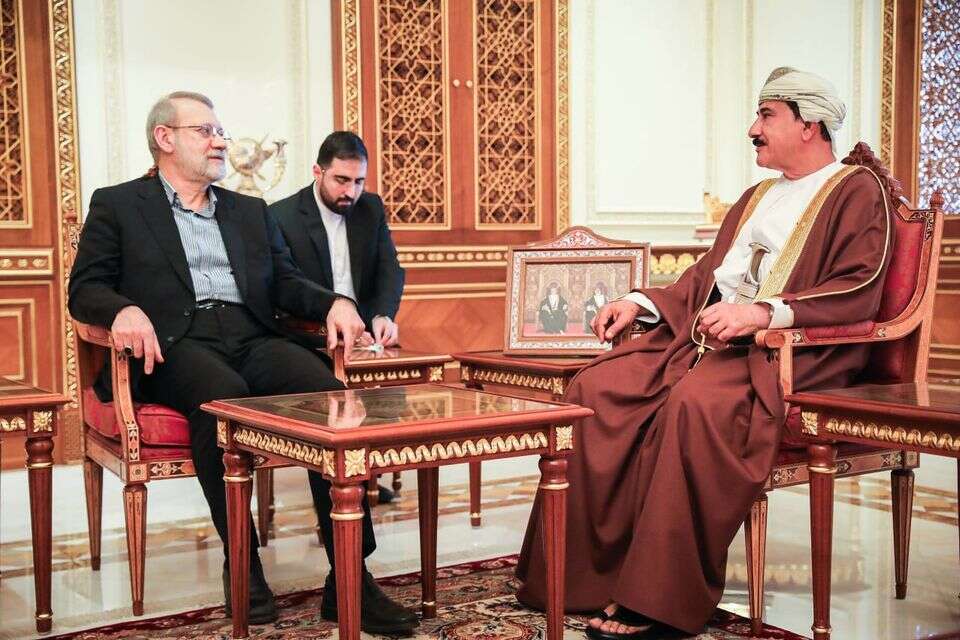
In a discreet yet highly symbolic development, Iran's shadowy power broker, often dubbed the "strong man of Tehran," landed in Muscat on Tuesday, just days before a fresh round of high-stakes diplomatic talks. The official, widely believed to be a top envoy from Supreme Leader Ali Khamenei's inner circle, arrived aboard a private jet, evading the international press corps that typically shadows such movements. His presence in Oman, a neutral hub for backchannel negotiations, underscores Tehran's willingness to engage amid escalating tensions over its nuclear program and regional proxy conflicts.
The envoy's identity remains closely guarded, but sources familiar with the matter identify him as a senior figure from Iran's Supreme National Security Council, empowered to make binding decisions on nuclear and security issues. Oman has long served as a conduit for indirect communications between Iran and Western powers, notably facilitating the 2015 Joint Comprehensive Plan of Action (JCPOA). This latest visit comes as the sixth round of Vienna talks looms, with Iran demanding sanctions relief in exchange for curbs on uranium enrichment, while the U.S. and European allies push for stricter verification mechanisms.
Context for these negotiations traces back to the JCPOA's collapse in 2018 under former U.S. President Donald Trump, which prompted Iran to breach enrichment limits. Recent intelligence reports indicate Tehran has amassed enough near-weapons-grade uranium for several bombs, heightening fears of a nuclear breakout. Oman's Sultan Haitham bin Tariq, known for his mediation prowess, has reportedly hosted preliminary sessions, yielding tentative agreements on monitoring IAEA inspectors' access to suspect sites.
Reactions have been swift and polarized. Israeli Prime Minister Benjamin Netanyahu condemned the trip as "a fox entering the henhouse," vowing to intensify covert operations if concessions weaken non-proliferation efforts. In Washington, State Department spokespeople expressed cautious optimism, noting that any deal must include "snapback" sanctions triggers. Tehran, meanwhile, framed the visit as a "goodwill gesture" via state media, emphasizing economic pressures from sanctions that have crippled its oil exports and rial currency.
Analysts view this as a potential inflection point. With U.S. midterm elections approaching and Iran's presidential cycle underway, both sides face domestic incentives to claim victories. Yet, hardliners in Tehran and hawks in the West could derail progress; unresolved issues like Iran's support for Houthi rebels in Yemen and Hezbollah in Lebanon loom large. Oman's role as a quiet broker may prove pivotal in bridging these divides.
As delegates prepare to convene, the envoy's arrival injects urgency into what has been a protracted stalemate. Whether this leads to de-escalation or merely prolongs the diplomatic dance remains uncertain, but for now, Muscat stands at the epicenter of a geopolitical chessboard where every move carries the weight of potential conflict or fragile peace.