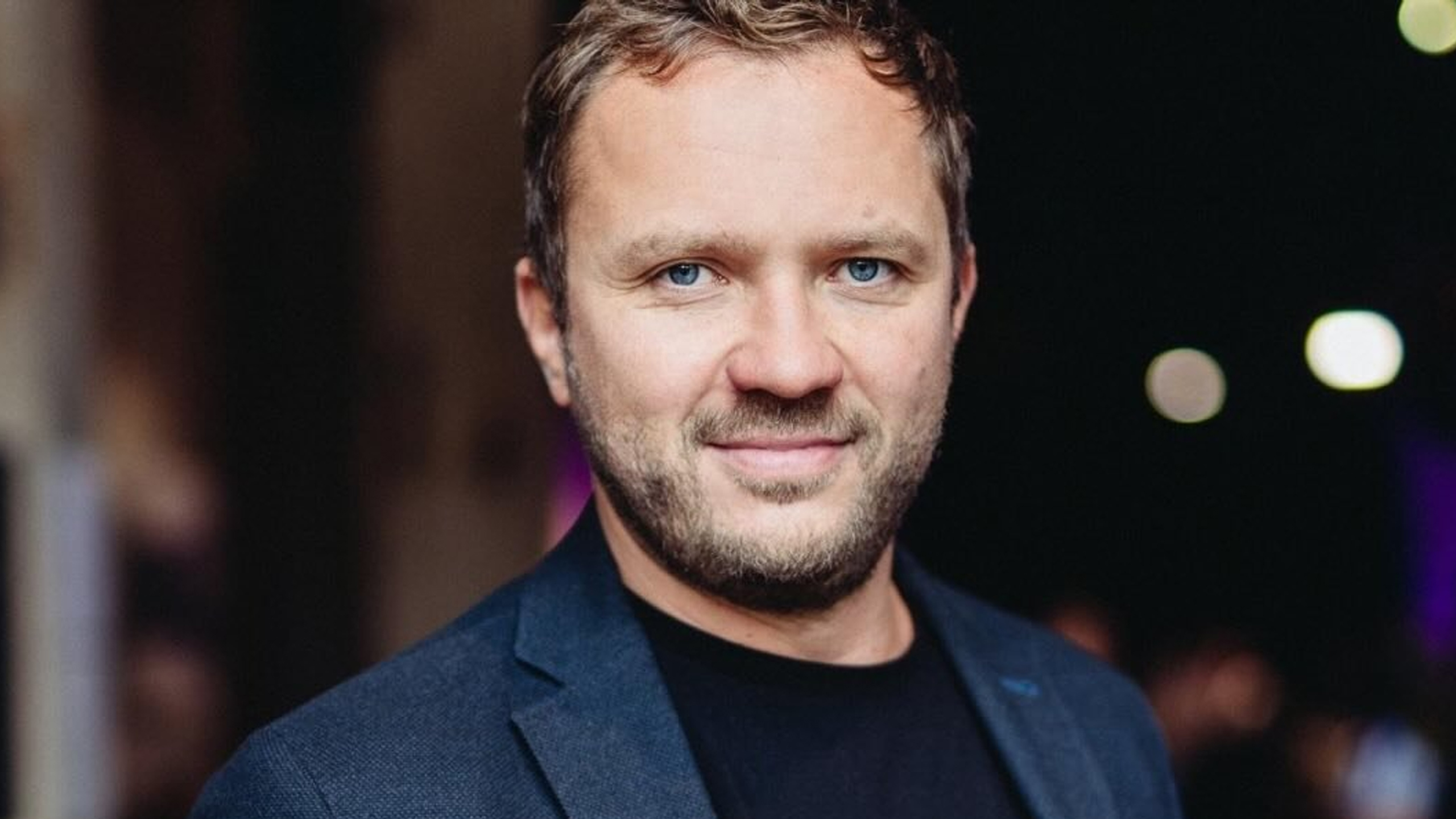
The Baltic nation of Estonia has issued a stark ultimatum to the Kremlin asregional anxieties reach a breaking point. Military officials suggest that any attempt to cross their borders would be met with an immediate, deep-reaching counter-offensive. This bold stance underscores the growing concern that a local skirmish could quickly escalate into a much larger international confrontation.
Foreign Minister Margus Tsahkna has stood firm on his country's security approach, flatly rejecting the idea that they are a weak link in Europe and calling such talk 'fake news.'
Against a backdrop of growing local instability and Russian military posturing, Tsahkna, in a recent interview, stated that the nation has bolstered its security. He maintained that any attempt at a takeover would bring the conflict directly into Russia.
These remarks indicate a fresh approach to how the country anticipates threats within NATO. 'If you look at the map, it is very logical to consider us a target,' he noted, while pointing out thatEstoniais busy boosting its military plans and training. According to a report byEl-Balad, the government is not only reassuring its citizens but also creating a tactical deterrent against any moves by Moscow by taking the lead.
Decades of dialogue with the Kremlin have yielded nothing but more war and increased Russian aggression.Heading to the Kremlin now without a clear and credible plan would only invite further humiliation and weaken the position of both Europe and Ukraine.pic.twitter.com/aJz237r8Wq
Tsahkna also voiced his concerns about Europe's political grit, calling on EU heads of state to be prepared for a firm response to any threats. His take on how the continent has handledRussiapoints to a bigger issue: the idea that playing nice has historically sparked further aggression rather than bringing about a real resolution.
While regional figures such as Latvia's Prime Minister Evika Siliņa and Estonian President Alar Karis have pushed for a dedicated EU representative to speak with the Kremlin, Tsahkna is cautious about rushing into dialogue without a solid plan.
He contends that previous efforts to engage without a firm roadmap have only encouraged Russian hostility, warning that dispatching a representative now could damage the EU's standing and undermine Ukraine's hand in the current struggle. 'A plan must precede any communication,' Tsahkna insisted firmly.
Estonia has moved from being viewed as a vulnerable frontier with few resources to a nation with a robust military plan and newfound confidence. Meanwhile, the European Union is pivoting away from its old habit of pursuing dialogue at any cost, focusing instead on a more watchful, strategic approach to readiness. Even NATO has evolved, trading its previously hesitant responses for a unified front and a much higher state of operational power.
We’ll bring the war to Russia with deep strikes far into Russia. We know exactly what to do.⁰That’s why we are speeding up our investments and developing our capabilities, investing 5% of GDP on defence in our region.My talk [email protected]://t.co/yVWRD2BVzN
Source: International Business Times UK
