The Parliament of Sri Lanka, reacting to the massive public outrage against the economic crisis that has been gripping the country for a long time, has now decided to reduce political benefits and eliminate pension benefits for lawmakers. On Tuesday, the Bill was easily passed with a majority of 154 votes out of 225 members, with only two members opposing it and the rest absent.
According to AP News, “Under the former system, Members of Parliament were entitled to a pension after only five years of service in office—a provision that critics said was grossly excessive compared with the terms of other public employees and contributed to perceptions of political privilege. The new law takes effect immediately and eliminates pension benefits, including for those who are already receiving or eligible to receive them."
This also meets one of the major election promises of President Anura Kumara Dissanayake and his left-leaning administration, which won power after the country’s economic breakdown in 2022, leading to the resignation of then-President Gotabaya Rajapaksa. Dissanayake’s administration has described this as a moral obligation and a move towards greater accountability, since lawmakers should not receive benefits that are out of touch with the struggles of the common people.
The abolition of pensions follows earlier moves by the government to strip former presidents of generous perks, including state-funded housing, luxury vehicles and extensive security details. While critics of the pension repeal, including opposition leader Sajith Premadasa, argue that removing them could discourage public service or push politicians toward corruption as they seek financial security after office, justice minister Harshana Nanayakkara told lawmakers that voters “don’t think MPs deserve a pension" given the quality of political debate and performance in the legislature.
The debate over post-retirement benefits has also brought the spotlight on other countries, including India.
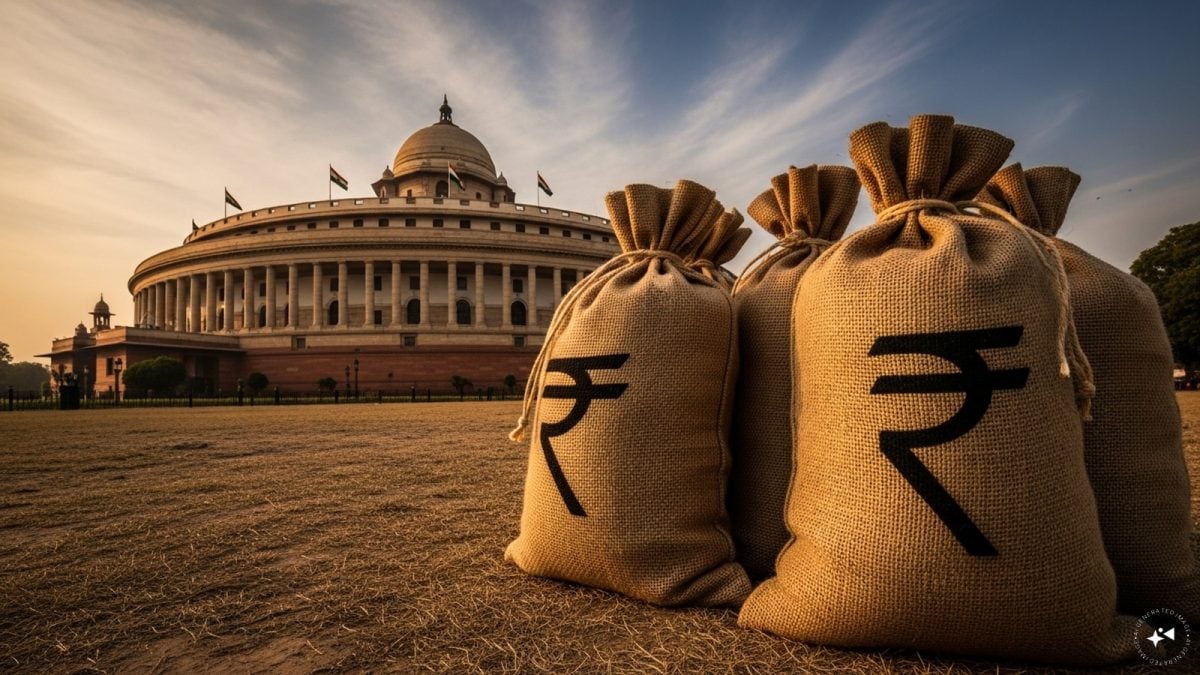
In India, as of March 2025, former MPs receive a monthly pension of Rs 31,000 after retirement. For each additional year of parliamentary service beyond five years, they receive an extra Rs 2,500 per month on top of the base pension. Once an MP becomes eligible (typically after completing a term), they receive this pension for life.
Apart from this, they also receive the following renumeration:
• Monthly salary as a parliamentarian: Rs 1,24,000 (post-revision).
• Daily sitting allowance: Rs 2,500 on days Parliament meets
• Constituency and office allowances: MPs receive separate allowances to manage constituency work and office expenses.
Source: World News in news18.com, World Latest News, World News
