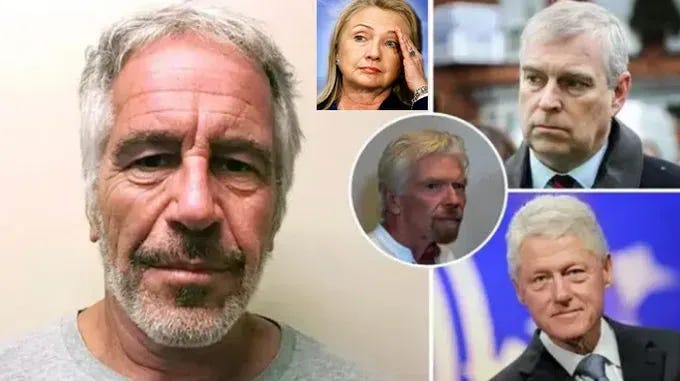
Deep within the labyrinth of federal court filings, the unredacted glimpses into Jeffrey Epstein's shadowy world have thrust a roster of global elites back into the spotlight, reigniting debates over power, privilege, and predation. Long before the latest judicial orders to shield identities, documents from the financier's sex-trafficking empire listed names ranging from former presidents to royalty, painting a picture of unchecked access to an island of excess. As #SeekingTheTruth activists pore over these pre-redaction records, the public gains a clearer view of who flew on Epstein's Lolita Express and who appeared in his infamous "black book."
Epstein, the convicted sex offender who died in a Manhattan jail cell in 2019 amid suspicions of foul play, cultivated a network of the ultra-powerful during his decades as a mysterious money manager. His 2008 plea deal in Florida shielded accomplices and drew scrutiny from victims like Virginia Giuffre, whose 2015 defamation lawsuit against Ghislaine Maxwell—Epstein's convicted procurer—unleashed thousands of pages of evidence. Flight logs, address books, and witness testimonies emerged, naming figures like Bill Clinton, who logged 26 trips on Epstein's jet according to manifests, though he has denied knowledge of crimes; Prince Andrew, settled a suit with Giuffre over alleged encounters; and physicist Stephen Hawking, invited to a bizarre island conference.
Other notables in the pre-redaction files include Donald Trump, mentioned in depositions for past social ties but with no accusations of island visits; Alan Dershowitz, Epstein's former lawyer who fought and won defamation claims; and celebrities like Naomi Campbell and Kevin Spacey. Business titans such as Bill Gates met Epstein post-conviction for philanthropy discussions, later regretting the association, while Les Wexner, the Victoria's Secret mogul, entrusted Epstein with power of attorney over his fortune. These connections, detailed in unsealed exhibits from 2019 to 2024, underscore Epstein's role as a connector for the elite, blending legitimate networking with illicit facilitation.
Legal battles over these files peaked in early 2024 when U.S. District Judge Loretta Preska ordered the release of over 900 pages from the Giuffre-Maxwell case, redacting only minors and unrelated victims. Yet, whispers persist of deeper troves—FBI vaults holding evidence seized from Epstein's Palm Beach and New York properties, including hard drives and videos. Maxwell's 2022 conviction on trafficking charges referenced "hundreds" of victims, but her trial avoided naming many associates, fueling conspiracy theories about protected insiders.
The chronicle of these files reveals not just scandal but systemic opacity: why did Epstein evade full justice for so long? Analysts point to his intelligence ties—rumored Mossad links via Maxwell's father—and bipartisan political donations as shields. As redaction deadlines loom in ongoing Southern District of New York probes, the pre-censored names serve as a stark reminder that transparency remains a battleground in the culture wars over elite accountability.