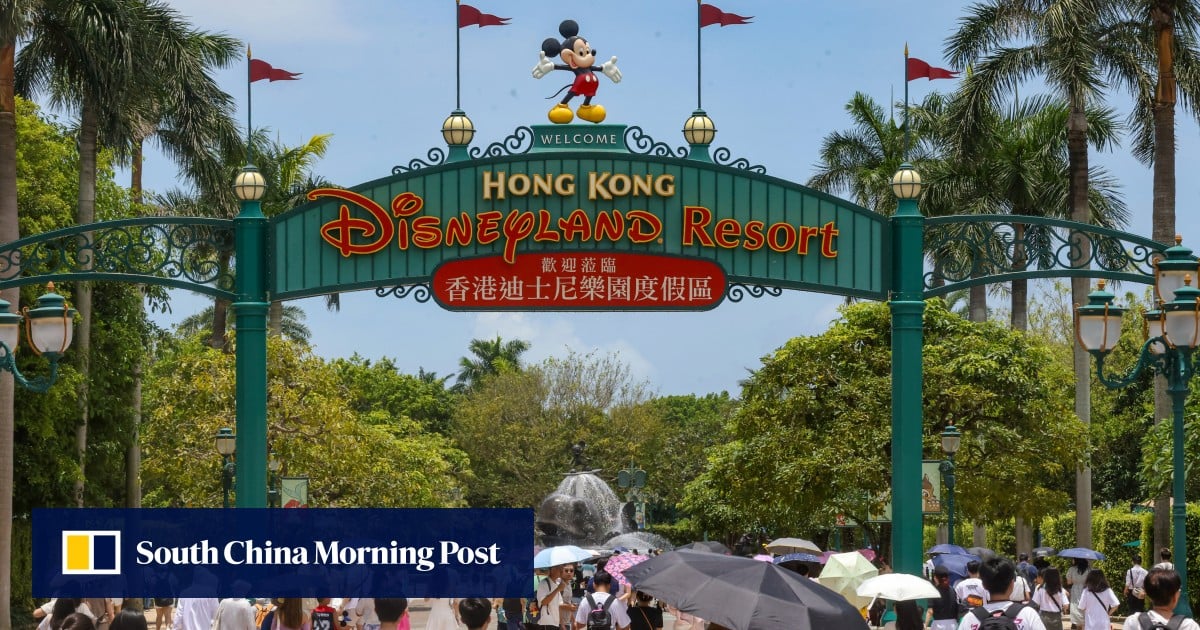
In a heartwarming gesture amid Hong Kong's bustling holiday season, the Li Ka Shing Foundation has announced the donation of 5,000 Disneyland tickets to the city's domestic helpers, offering a rare day of magic and respite to these essential workers. The initiative, unveiled on the eve of Lunar New Year celebrations, targets foreign domestic helpers—predominantly from the Philippines and Indonesia—who form the backbone of countless Hong Kong households, caring for children and elderly family members while often living in cramped quarters.
The tickets, valid for entry to Hong Kong Disneyland Resort through March, will be distributed via partnerships with helper NGOs and community centers across the city. Recipients can redeem them starting next week, with priority given to long-serving aides and those from lower-income brackets. Foundation spokesperson Vivian Wong emphasized the move as a token of appreciation: "These women leave their own families behind to support ours; it's time we gave back a slice of joy."
Domestic helpers number over 370,000 in Hong Kong, making up nearly 10% of the workforce and contributing an estimated HK$20 billion annually to the economy through unpaid household labor. Yet, they face systemic challenges, including minimum wages stagnant at HK$4,870 since 2019, live-in requirements that exacerbate overcrowding, and vulnerability to abuse. This donation arrives against a backdrop of rising living costs and post-pandemic strains, spotlighting ongoing debates over labor rights reforms.
Li Ka-shing, Hong Kong's richest man with a net worth exceeding US$40 billion, has long championed philanthropy through his foundation, which has poured billions into education, healthcare, and social welfare since 1980. Past efforts include scholarships for underprivileged youth and medical research hubs. Critics, however, point to the billionaire's business empire's occasional labor controversies, framing such gifts as corporate goodwill rather than structural change.
Reactions have poured in from the helper community, with groups like the Asian Migrants' Coordinating Body hailing it as "a breath of fresh air" that humanizes their often invisible toil. As one Filipina helper shared outside a Kowloon NGO: "Disneyland with my friends? It's like a dream—we work seven days a week, but this makes us feel seen." Labor advocates, while welcoming the boon, urge policymakers to pair such philanthropy with wage hikes and better protections.
The gesture underscores a rare moment of cross-class solidarity in polarized Hong Kong, where economic inequality festers amid national security tensions. As families flock to Disneyland, the tickets could foster subtle cultural bridges, reminding residents of the multicultural fabric woven by these migrant workers—and prompting reflection on whether charity alone suffices or if deeper reforms are overdue.
