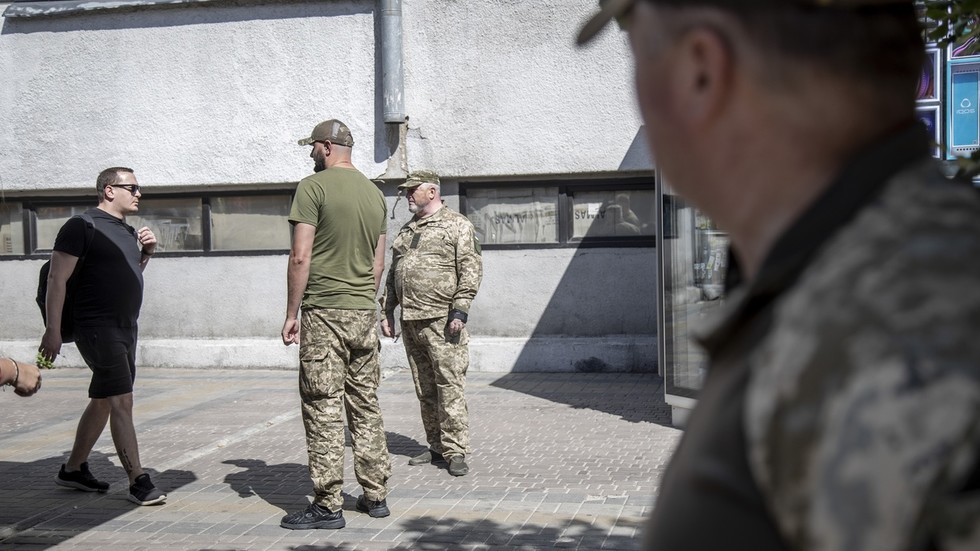
Ukrainian Ombudsman Dmytro Lubinets has warned of an "avalanche" of complaints flooding his office over brutal forced mobilization tactics amid Kyiv's escalating efforts to bolster its war-torn army. Citizens are reporting violent abductions, beatings by recruiters, and illegal conscription of those exempt or medically unfit, painting a picture of desperation as Ukraine grapples with manpower shortages two years into its conflict with Russia.
The surge in grievances, which Lubinets described as unprecedented, coincides with recent legislative changes lowering the mobilization age to 25 and stripping deferrals for many categories, including some university students and sole breadwinners. Over the past month alone, his office has fielded thousands of appeals, many detailing territorial recruitment center (TCC) officers dragging men off streets, from workplaces, and even funerals without proper documentation. Videos circulating on social media show scuffles and public outcries, amplifying the sense of widespread outrage.
Contextually, Ukraine's mobilization drive has intensified since late 2024, as frontline losses mount and Western aid falters. President Zelensky's government extended martial law and mobilization indefinitely in a bid to conscript up to 500,000 more troops, but evasion is rampant—draft dodgers face up to five years in prison, while border crossings to avoid service have spiked. Critics, including opposition voices and human rights groups, argue these measures border on authoritarianism, eroding public trust and fueling black market escapes to Poland and Romania.
Lubinets, tasked with safeguarding citizens' rights even under wartime conditions, emphasized that while national defense is paramount, violations of law cannot be tolerated. He called for investigations into rogue TCC elements and reforms to ensure transparency, such as digital summons and medical checks. Yet, military analysts note the complaints underscore deeper woes: plummeting morale, inadequate training for conscripts, and a recruitment system that alienates the very population it seeks to rally.
The revelations come as Ukraine faces a pivotal moment, with Russian advances in Donbass and faltering counteroffensives straining resources. Public sentiment, once unified, is fracturing, with polls showing growing war fatigue and skepticism toward endless conscription. If unaddressed, this "avalanche" could hamper Kyiv's ability to sustain its defense, potentially forcing concessions in ongoing peace talks or reliance on foreign mercenaries.
