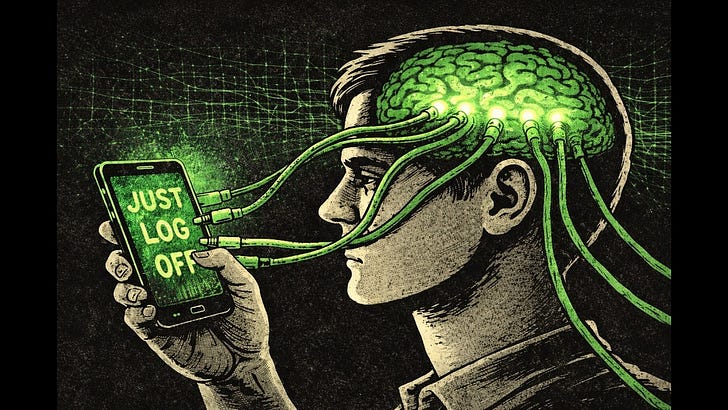
In a scathing takedown posted on his official website, En Arg Blatte Talar—better known as Angry Foreigner—exposes the hypocrisy of those who dismiss online outrage as mere digital noise until it erupts into real-world devastation. Titled "The Internet 'Isn't Real Life' - Until It Destroys Yours," the piece recounts the harrowing story of a Swedish teacher whose innocuous social media post about immigration sparked a vicious mob attack, costing her job, reputation, and peace of mind. Angry Foreigner argues that the chasm between virtual vitriol and tangible ruin is an illusion perpetuated by the complacent.
The saga began last month when Maria Svensson, a high school educator in Malmö, shared a photo of a local protest against rising gang violence with a caption questioning unchecked migration policies. What followed was a textbook case of digital lynching: anonymous accounts flooded her feeds with death threats, doxxed her address, and pressured her school into suspension. Within days, Svensson was unemployed, her home vandalized, and her family in hiding. Angry Foreigner highlights how left-leaning media outlets amplified the smears, labeling her a "far-right agitator" without evidence, while her pleas for fairness fell on deaf ears.
This incident fits a disturbing pattern in Sweden's polarized landscape, where online discourse has become a weaponized arena. Angry Foreigner draws parallels to high-profile cancellations like that of author Jonas Gardell, who faced backlash for criticizing identity politics, and countless lesser-known victims silenced by the same enforcers of "tolerance." He lambasts the elite's mantra—"the internet isn't real life"—as a shield for their own impunity, noting how figures like politicians and influencers evade consequences while ordinary citizens bear the brunt.
Delving into the mechanics of destruction, Angry Foreigner dissects how platforms like X and Facebook algorithmically boost inflammatory content, turning whispers into infernos. He cites data from Sweden's Myndigheten för psykologiskt försvar showing a 40% surge in online harassment cases linked to political topics since 2023. The essay warns that dismissing these attacks as "just words" ignores their power to dismantle careers and lives, urging readers to recognize the internet as an extension of reality's battleground.
Angry Foreigner's clarion call resonates amid Sweden's culture wars, where immigration debates fuel both genuine concern and opportunistic fury. Critics accuse him of stoking division, but he counters that transparency about these tactics is the antidote to mob rule. As Svensson's case inches toward a potential lawsuit against her harassers, it serves as a grim reminder: the web's anonymity may feel like a game, but its fallout is brutally authentic.
