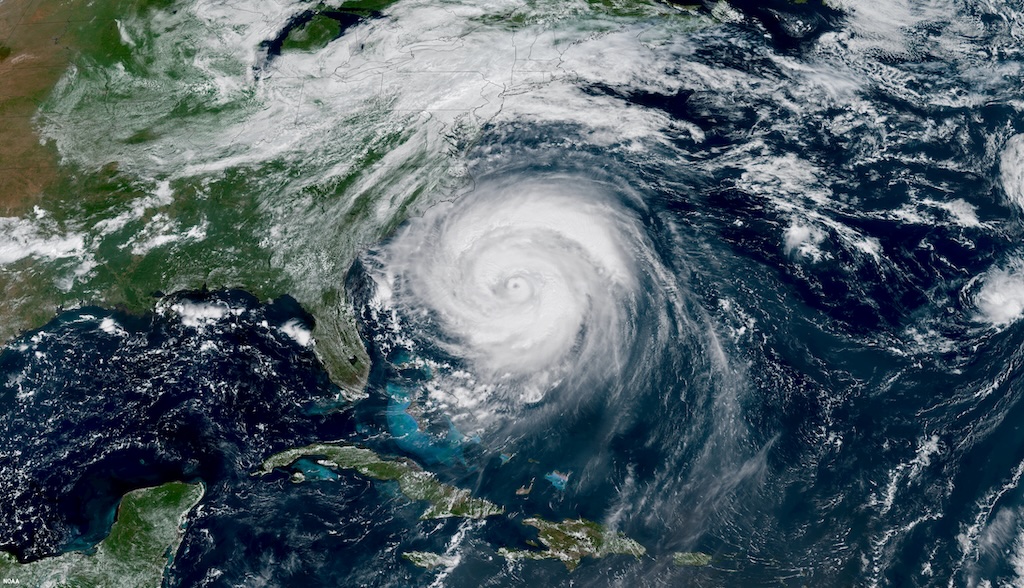
Today marks the start of the 2026 Atlantic hurricane season, which runs through Nov. 30, and federal forecasters are predictinga below-normal season.
Forecasters with the National Oceanic and Atmospheric Administration’s Climate Prediction Center say there is a 55% chance of below-normal hurricane activity in the Atlantic basin this year, a 35% chance of near-normal activity and a 10% chance of above-normal activity.
NOAA is forecasting eight to 14 named storms — those with winds of 39 mph or higher. Of those, three to six are expected to become hurricanes, with winds of 74 mph or higher, including one to three major hurricanes, meaning Category 3, 4 or 5 storms with winds of at least 111 mph.
The agency said it has 70% confidence in those ranges.
The forecast reflects competing factors expected to influence the season. El Niño is expected to develop and intensify during the hurricane season, a pattern that tends to suppress Atlantic hurricane activity by increasing wind shear, making it harder for tropical storms to form and intensify. But NOAA also noted that Atlantic Ocean temperatures are expected to be slightly warmer than normal and trade winds are likely to be weaker than average, factors that can support storm development.
“Although El Niño’s impact in the Atlantic Basin can often suppress hurricane development, there is still uncertainty in how each season will unfold,” NOAA National Weather Service Director Ken Graham said in the agency’s seasonal outlook. “That is why it’s essential to review your hurricane preparedness plan now. It only takes one storm to make for a very bad season.”
For Long Island, the seasonal outlook is only part of the risk picture.
Long Island, extending eastward into the Atlantic, is exposed to tropical systems moving up the coast. While direct hurricane landfalls here are rare, the region remains vulnerable to storm surge, coastal flooding, damaging winds, heavy rain and widespread power outages.
Long Island does not need a direct hurricane landfall to experience major damage.
Superstorm Sandymade that clear in October 2012, when the massive storm — downgraded from hurricane status before it reached New York — drove devastating storm surge and flooding into Long Island, New York City and the wider metropolitan region.
Source: RiverheadLOCAL
