This post was published byJon Fleetwood.Support him by subscribing atSubstackand following atInstagram/X/Facebook.
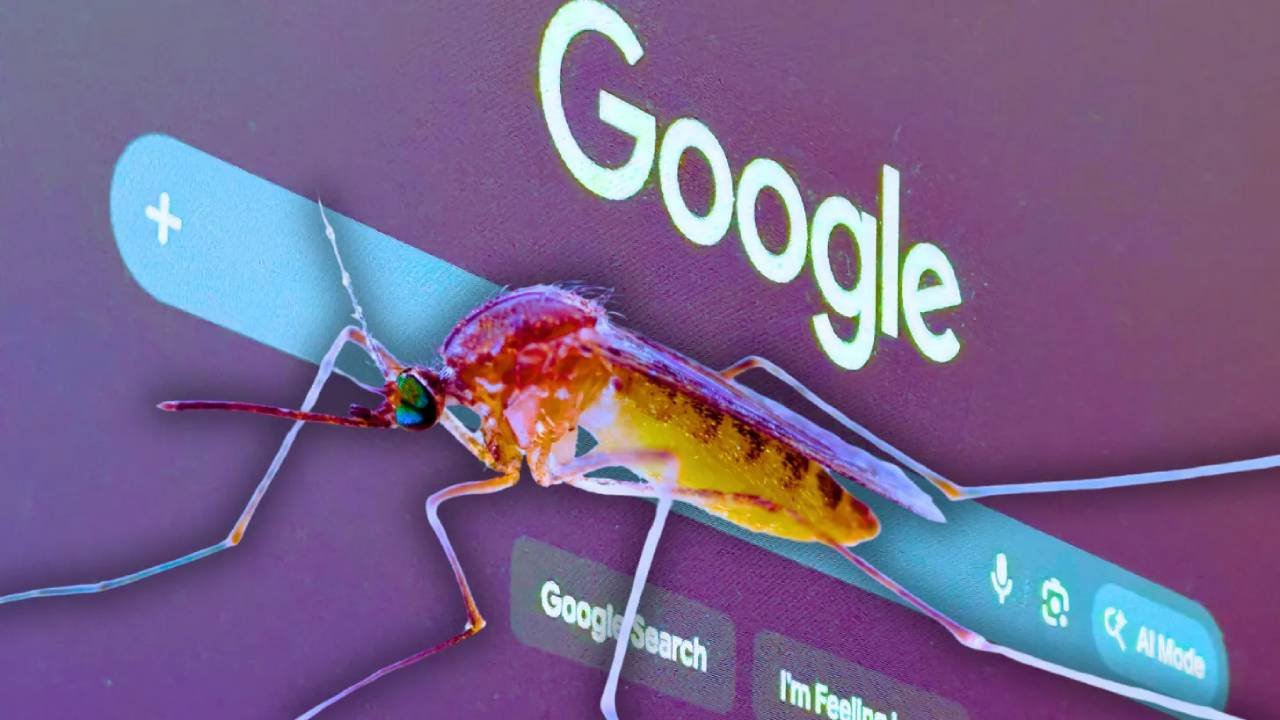
Google is seeking federal approval to release up to 64 million specially treated mosquitoes across California and Florida over the next two years, according to an Environmental Protection Agency (EPA) announcement published earlier this month inThe Federal Register, the official journal of the U.S. government.
The tech giant is “requesting an experimental use permit (EUP) for theWolbachia pipientiswAlbB contained in live adultCulex quinquefasciatusmale mosquitoes (DQB Strain),” according to the announcement.
A summary of the request reads:
“Google LLC is proposing to use up to 14.080 mg of the active ingredientWolbachia pipientiswAlbB Contained in Live AdultCulex quinquefasciatusMale Mosquitoes (DQB Strain) for two years in California and Florida. In Florida, up to 16,000,000 DQB Male Mosquitoes are proposed to be released in year 1, and up to 16,000,000 released in year 2. In California, up to 16,000,000 are proposed to be released in year 1, and up to 16,000,000 released in year 2. Proposed testing will include the states of California and Florida to generate data to support a Section 3 product registration application under FIFRA.”
Since the EPA “has determined that the permit may be of regional and national significance,” the agency is “seeking comments on this application.”
Comments from the public must be received on or before June 5, 2026.
The Federal Register publication explains the process:
“Submit your comments, identified by docket identification (ID) number EPA-HQ-OPP-2025-3951, through theFederal eRulemaking Portalat https://www.regulations.gov.Follow the online instructions for submitting comments. Do not submit electronically any information you consider to be Confidential Business Information (CBI) or other information whose disclosure is restricted by statute. Additional instructions on commenting on and visiting the docket, along with more information about dockets generally, are available athttps://www.epa.gov/?dockets.”
“Each application summary in Unit II. specifies a contact division. The appropriate division contacts are identified as follows: BPPD (Biopesticides and Pollution Prevention Division) (7511M); Shannon Borges; main telephone number: (202) 566-1400; email address:[email protected] mailing address for each contact person is Office of Pesticide Programs, Environmental Protection Agency, 1200 Pennsylvania Ave. NW, Washington, DC 20460-0001. As part of the mailing address, include the contact person’s name, division, and mail code. The division to contact is listed at the end of each application summary.”
Source: modernity
