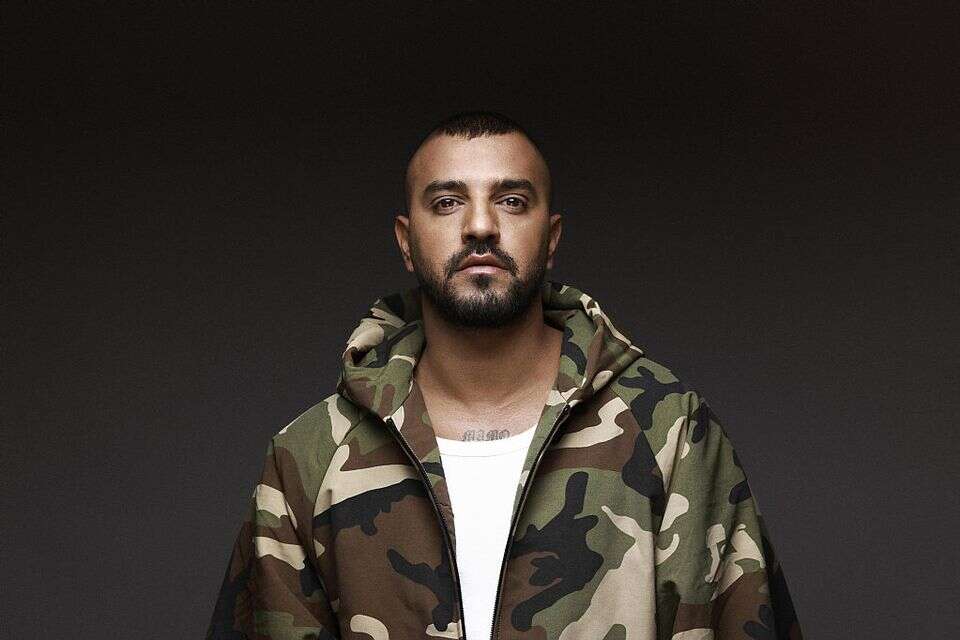
In a bold act of defiance amid surging antisemitism in Europe, Israeli singer Itai Levy took the stage in Paris on Saturday night, captivating a packed house at the Zénith arena despite credible death threats and calls for cancellation from radical activist groups. The Mizrahi pop star, known for hits like "Yalla" and his electrifying live performances, drew thousands of fans who waved Israeli flags and chanted in solidarity, turning the concert into a vibrant celebration of cultural resilience.
The threats had begun circulating online days earlier, with pro-Palestinian militants on social media platforms urging boycotts and even hinting at violence against Levy for his outspoken support of Israel. French authorities, alerted to the risks, bolstered security with hundreds of police officers and elite units surrounding the venue. Levy addressed the tension head-on during the show, dedicating a song to "those who try to silence us" and receiving thunderous applause. No incidents marred the event, though protesters gathered nearby, their chants drowned out by the music inside.
This performance comes against a backdrop of intensifying cultural clashes in France, where Jewish artists and events have faced mounting pressure since the October 7, 2023, Hamas attacks. Earlier this year, similar threats forced the cancellation of an Israeli dance troupe's show in Lyon, and Levy himself postponed a gig in London last month after venue owners caved to activist demands. Levy's team emphasized that the Paris show proceeded only after organizers reaffirmed their commitment to artistic freedom, highlighting a rare victory for expression over intimidation.
Levy, 32, has emerged as a symbol in Israel's cultural export scene, blending traditional Mizrahi sounds with modern beats to appeal to global audiences. In an interview before the concert, he told reporters, "Music unites, it doesn't divide. I won't let fear dictate where I sing." Fans, including a large diaspora Jewish community, praised the event as a morale boost, with one attendee noting, "It's not just a concert—it's a statement that we're not backing down."
Critics from the hard-left spectrum decried the show as "provocative," arguing it inflamed tensions in a city still reeling from recent antisemitic incidents. Yet supporters frame it within the broader culture war, where attempts to culturally isolate Israel echo historical boycotts. As Europe grapples with rising extremism, Levy's Paris triumph underscores the fragility of open societies and the power of art to push back against censorship.
