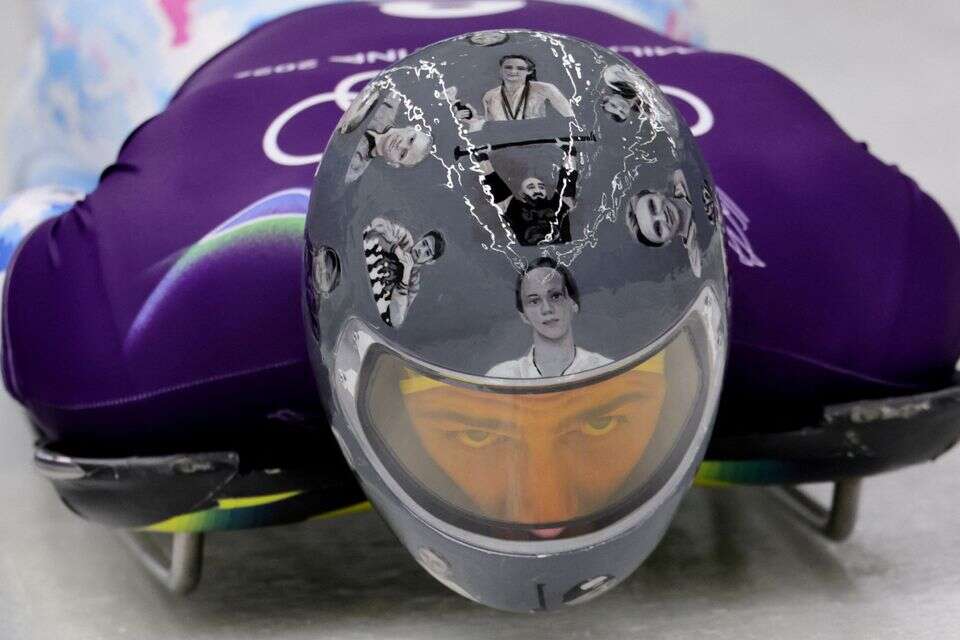
In a poignant gesture amid global tensions, an Israeli athlete has submitted an extraordinary request to the International Olympic Committee (IOC) to compete in the Paris 2024 Olympics wearing a military helmet emblazoned with the names of fallen Israeli soldiers from the ongoing war against Hamas. The athlete, a decorated fencer from the Israel Defense Forces reserves, seeks to honor the more than 700 soldiers and civilians killed since October 7, 2023, by donning the helmet during her bouts, turning the Games into a makeshift memorial for her nation's sacrifices.
The request, first reported by Israeli media outlets, highlights the unique intersection of sport and geopolitics at this year's Olympics, where Israeli competitors have already faced heightened security and protests. Fencer Noa Sheinberg, who qualified for the women's épée event after serving on the Gaza border, argued in her formal appeal that the helmet symbolizes resilience and remembrance, much like mourning armbands allowed in past Games. IOC rules strictly regulate athlete attire, permitting only national uniforms and approved accessories, but precedents exist for humanitarian tributes, such as ribbons for earthquake victims.
Contextualizing the bid, Israel's participation in Paris comes against a backdrop of virulent anti-Israel sentiment stoked by the war's aftermath. Palestinian supporters have called for boycotts, with graffiti targeting Israeli athletes appearing near Olympic venues and social media campaigns amplifying accusations of genocide. French authorities have bolstered protection for the 88-member Israeli delegation—the largest ever—deploying elite police units, yet incidents like a Palestinian terror suspect's arrest near the village underscore the volatile atmosphere. Sheinberg's request thus amplifies a narrative of defiance, positioning the Olympics as a battleground for cultural memory.
Reactions have been sharply divided. Israeli officials, including Sports Minister Miki Zohar, praised the move as a "powerful statement of Jewish strength," while critics within the IOC anonymously expressed concerns over politicization, fearing it could inflame Arab and Muslim delegations. Palestinian Olympic Committee head Jibril Rajoub previously urged the IOC to bar Israel, citing "war crimes," a plea rejected but emblematic of broader pressures. Supporters of the athlete counter that silencing such memorials echoes historical antisemitism, drawing parallels to the 1972 Munich massacre where 11 Israeli athletes were killed.
Analytically, this episode underscores the culture wars encroaching on sport's purported neutrality. The Olympics, long a stage for boycotts—from the 1980 Moscow Games to Beijing 2008—now grapple with identity politics amplified by social media. Allowing the helmet could normalize wartime tributes, potentially opening floodgates for Ukrainian athletes honoring Azovstal defenders or others invoking conflicts. Denying it risks accusations of anti-Israel bias, especially as France's Jewish community reports a surge in hate crimes post-October 7. As deliberations continue ahead of the July 26 opening, Sheinberg's plea tests whether the Olympic flame can illuminate shared humanity or merely cast longer shadows of division.
