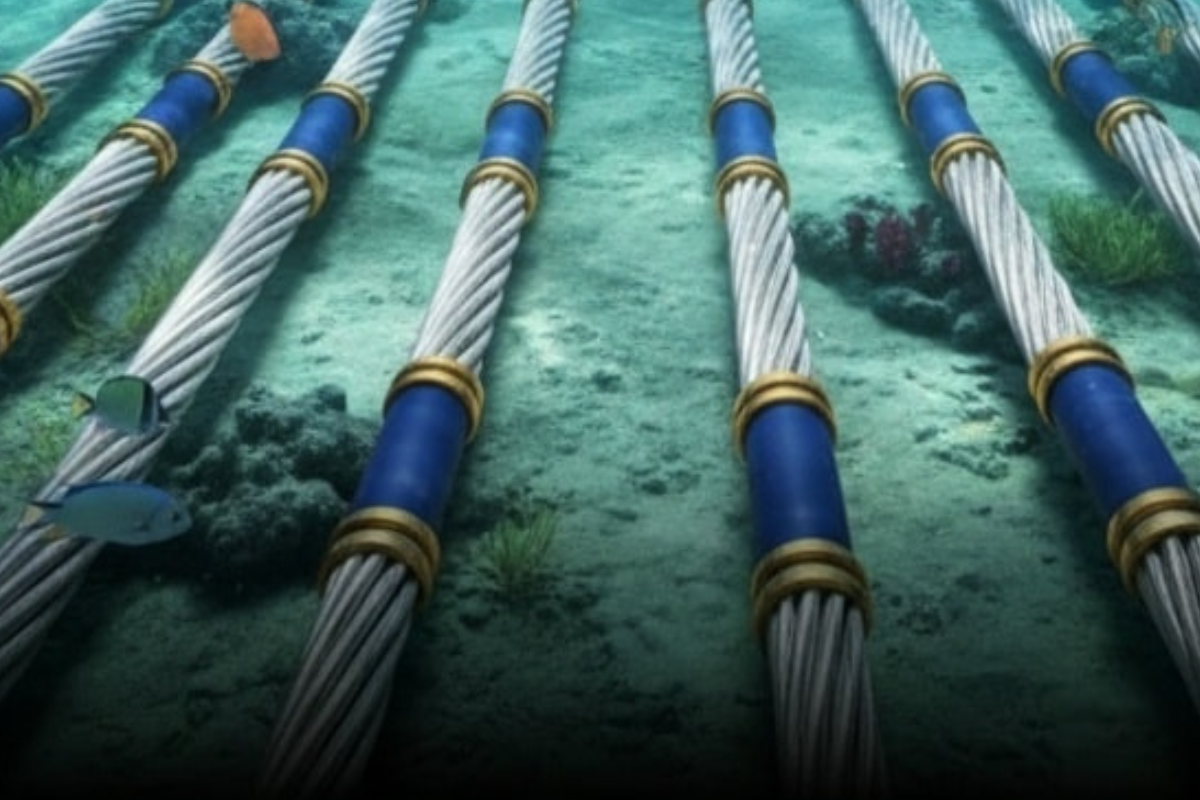
Iranian state-linked media have proposed thatIran charge Google, Meta, Amazon and Microsoft fees for undersea internet cablespassing through the Strait of Hormuz. The plans include licensing charges, requirements for the firms to operate under Iranian law and exclusive Iranian control over cable repairs and maintenance.
They have emerged amid regional tensions and peace talks following the recent conflict in which Iran restricted shipping through the waterway.
Tasnim and Fars, outlets with links to Iran's Revolutionary Guards, set out a three-step plan in recent Iran International articles. Foreign companies using the cables would pay initial licensing fees and annual renewals. Major technology companies including Meta, Google, Amazon and Microsoft would be required to operate under Iranian law. Iranian firms would gain exclusive rights to carry out repairs and maintenance, allowing charges for those services.
Tasnim suggested the approach could net Iran hundreds of millions of dollars annually — equivalent to around £149 million ($200 million) or more — and turn the strait into a strategic centre for wealth generation. The articles noted that submarine cables carry more than $10 trillion in financial transactions each day.
We will impose fees on internet cables.
Military spokesperson Ebrahim Zolfaghari statedon Xthat 'We will impose fees on internet cables.' Hossein Ali Hajideligani, a member of parliament's presiding board, described the Strait of Hormuz as 'a God-given treasure, like other mines and reserves placed at Iran's disposal.' Lawmakers have discussed comparable measures.
Clipson Instagramhave amplified coverage of the proposals, highlighting how Iranian media suggested charging fees to companies such as Amazon and Meta for the undersea cables.
Five to seven major submarine cable systems as reported by Time, including AAE-1 and SEA-ME-WE 5, transit the strait and serve Gulf states. Although they represent less than 1 per cent of global international internet bandwidth, the routes are essential for regional connectivity and the low-latency data flows needed for artificial intelligence.
They support substantial AI investments, including Microsoft's multi-billion-dollar projects in the United Arab Emirates and partnerships involving Amazon and Google in Saudi Arabia. The cable proposals follow Iran's closure of the strait to most shipping during the conflict that started in February.
Ceasefires are in place and peace negotiations continue, with parallel suggestions for vessel tolls also under consideration. Disruptions to the cables would mainly disrupt services in the Gulf, where routing options are constrained for some users, while wider global effects would be more limited.
Source: International Business Times UK
