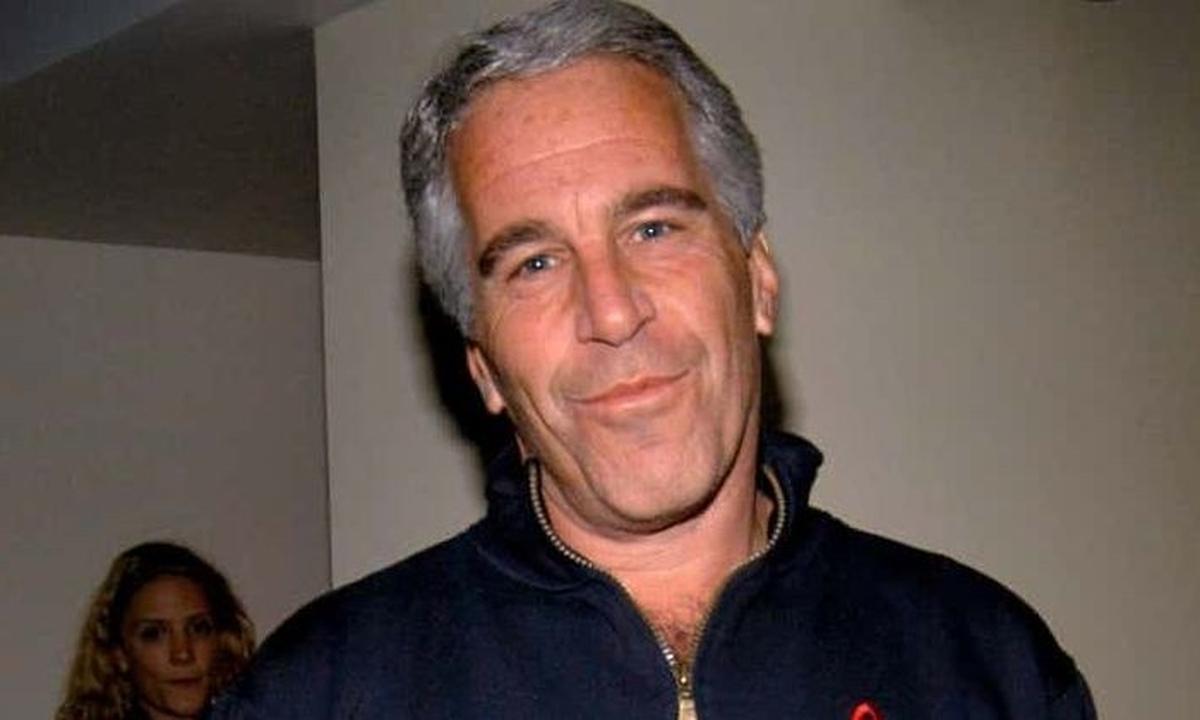
In a bombshell interview with the International Business Times UK, billionaire hedge fund manager Victor Harlan described the late Jeffrey Epstein as a "blessing in disguise" mere days after newly unsealed court documents revealed millions in transactions between the two men. Harlan, whose net worth exceeds $8 billion, credited Epstein's shadowy financial network with unlocking a series of high-stakes deals that propelled his fortune in the early 2010s. The comments, made during a candid discussion about Epstein's enduring influence on Wall Street, have ignited outrage and calls for deeper investigations into elite financial entanglements.
The transactions in question, totaling over $150 million according to the documents filed in a New York federal court, involved Epstein acting as an intermediary for Harlan's investments in Eastern European real estate and tech startups. Epstein, convicted sex offender and financier to the ultra-wealthy, reportedly facilitated introductions to oligarchs and secured favorable terms that Harlan said "no one else could touch." While Harlan insisted the dealings were strictly financial—"Epstein was a monster in his personal life, but a wizard with money," he remarked—the timing raises eyebrows, coinciding with Epstein's 2008 plea deal and subsequent freedom to operate among the elite.
Harlan's unapologetic praise stands in stark contrast to the mounting scrutiny on Epstein's client list, which has included names like Bill Gates, Leon Black, and Les Wexner. Financial records unsealed last week show Epstein pocketed hefty fees—up to 20%—for his "services," often routed through offshore entities in the Virgin Islands, where Epstein owned Little St. James. Critics, including victims' advocates, argue these revelations expose how Epstein's predatory behavior was enabled by powerful allies who benefited from his Rolodex of the rich and infamous.
The fallout has rippled through boardrooms and political circles. Harlan's firm, Harlan Capital Partners, saw its stock dip 7% in after-hours trading following the interview, prompting a terse statement distancing itself from Epstein's crimes. Yet Harlan doubled down, telling reporters, "In business, you work with who delivers results. Regrets are for the weak." Legal experts predict shareholder lawsuits and potential SEC probes, as questions swirl about whether these transactions skirted money laundering laws or tax evasion statutes.
This episode underscores a persistent tension in high finance: the blurred lines between legitimate deal-making and moral compromise. As more Epstein files surface amid ongoing litigation from victims like Virginia Giuffre, Harlan's words serve as a defiant reminder that for some billionaires, Epstein's legacy endures not as a scandal, but as a profitable footnote. Whether it prompts real accountability or fades into the ether of elite impunity remains to be seen.