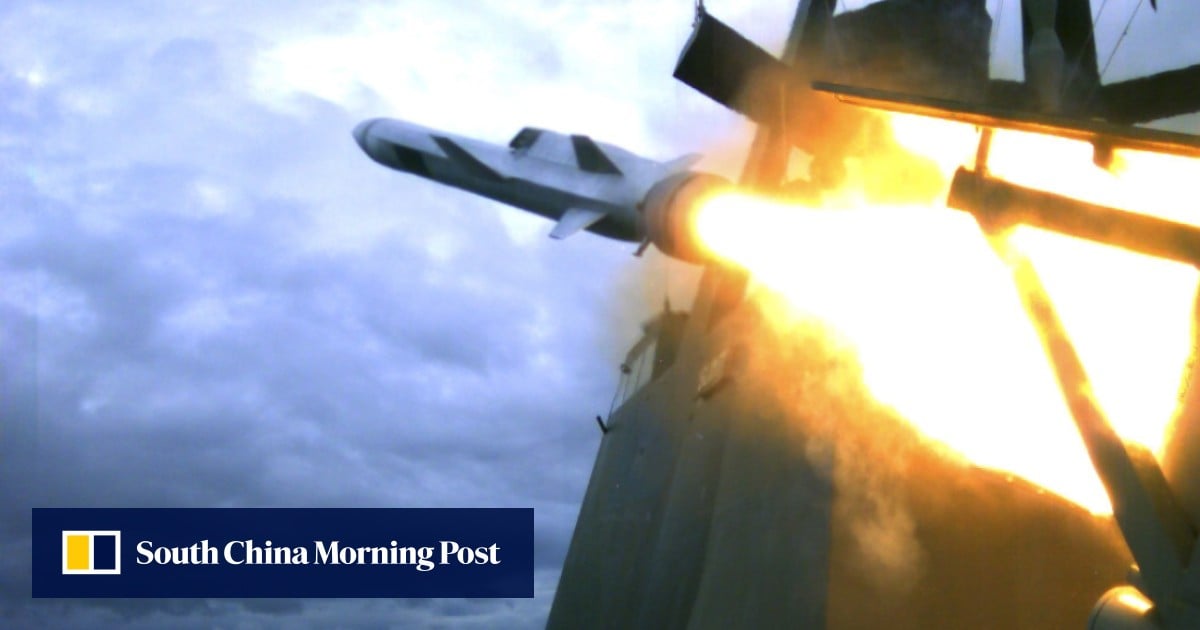
Malaysia's military has unveiled ambitious upgrades to its missile arsenal, explicitly aimed at bolstering deterrence in the contested South China Sea. The defense ministry confirmed the acquisition of advanced anti-ship and coastal defense missiles, including enhanced versions of the Norwegian Naval Strike Missile (NSM) and potential integration of Turkey's Atmaca system, capable of striking targets over 200 kilometers away. This move comes amid escalating tensions with China's maritime militia and coast guard vessels encroaching on Malaysia's exclusive economic zone near the Luconia Shoals.
The upgrades represent a significant leap for Malaysia's aging naval fleet, which has long struggled with outdated equipment. Prime Minister Anwar Ibrahim's administration allocated an additional $500 million to the Royal Malaysian Navy's modernization program last year, prioritizing asymmetric capabilities to counter larger adversaries. Experts note that these missiles, with low-altitude sea-skimming trajectories and stealth features, could neutralize Chinese outposts or amphibious threats without requiring Malaysia to match Beijing's numerical superiority in warships.
South China Sea disputes have intensified since 2020, with Malaysia reporting over 100 Chinese vessel incursions annually into its waters. Beijing claims historic rights over nearly 90 percent of the sea, overlapping with Malaysia's oil-rich continental shelf. Recent satellite imagery showed Chinese dredgers expanding artificial islands just 100 nautical miles from Malaysian rigs, prompting Kuala Lumpur to invoke UNCLOS provisions and rally ASEAN support—though unity remains elusive amid varying member states' stances.
Regional powers have taken note. The United States praised the move as a "stabilizing factor" during a recent Quad summit, hinting at potential intelligence-sharing on missile targeting. China, however, decried it as "provocative," with state media accusing Malaysia of aligning with "external forces" to contain its rise. Philippine and Vietnamese officials expressed quiet solidarity, signaling a nascent ASEAN deterrence coalition.
Analysts warn that Malaysia's buildup could accelerate a regional arms race, but it underscores a shift from diplomatic protests to credible defense postures. As extraction of Malaysia's $100 billion in undersea hydrocarbons hangs in the balance, these missiles may prove the ultimate insurance policy against coercion, reshaping power dynamics in one of the world's most vital maritime chokepoints.
