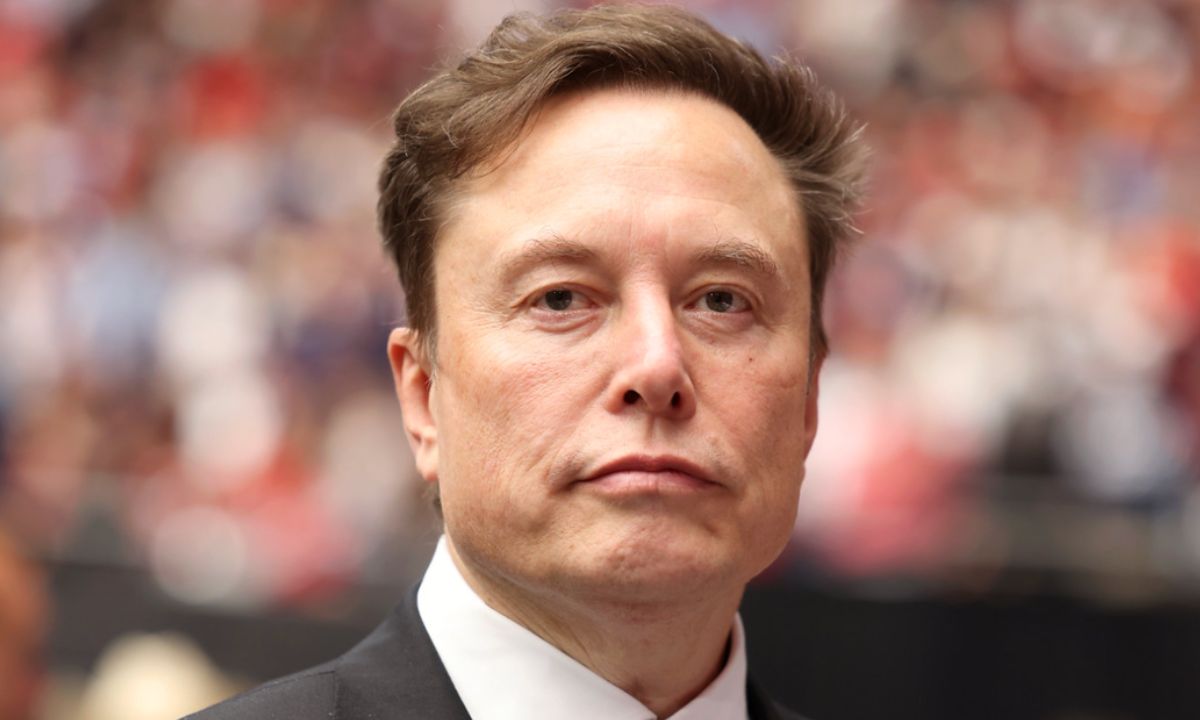
Elon Musk's $132 billion pay package, awarded in 2025 by Tesla's board in the United States, has crystallised a wider trend in executive compensation just as typical CEO pay climbed to $17.7 million and ordinary workers' wages lagged far behind.
At the same time, new data on S&P 500 companies show the median employee earned $89,744 in 2025, with critics arguing the gap between boardroom rewards and shop-floor realities is stretching into something harder to justify.
US chief executive pay has been climbing for years, but 2025 marked another step up. The latest figures show CEO compensation rising nearly 6 per cent in a single year, driven largely by boards linking rewards to higher profits, buoyant share prices and long-term incentive schemes designed to keep top bosses in post.
By contrast, that median employee pay of $89,744 rose 4.7 per cent, faster than inflation in 2025 but still lagging behind the cumulative hit from several years of elevated prices.
Many workers, as labour economists have repeatedly observed, are not feeling better off. Even with the 4.7 per cent gain, households have been juggling rent, food and transport costs that climbed far more sharply earlier in the decade.
The article's underlying data suggest employees are cutting corners, dipping into savings and leaning on credit cards simply to pay for everyday necessities.
Musk's $132 billion package sits at the far outer edge of this landscape. Unlike the $17.7 million 'typical' chief executive pay, his deal is not a conventional salary-and-bonus bundle but a towering equity-based arrangement anchored in Tesla's market value and performance targets.
Boards defend such structures on the grounds that they align executives' interests with those of investors. If the share price rises, everyone is supposed to win.
Supporters of the Musk model say this is exactly what has happened. Tesla's market capitalisation surged in the years leading up to the award, and the company's story, electric vehicles, batteries, and software, remains at the centre of global conversations about climate technology and transport.
They argue that without outsize incentives, the most ambitious executives might simply walk away, or split their focus across multiple ventures, to the detriment of shareholders.
Source: International Business Times UK
