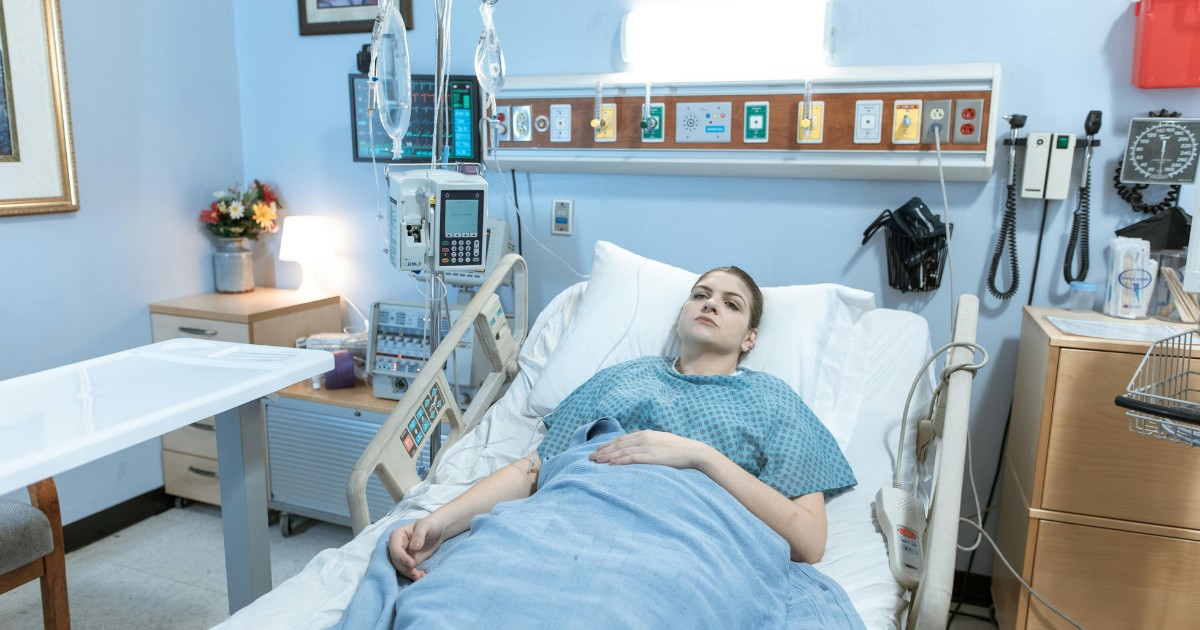
President Donald Trump's administration is reportedly preparing acontroversial new strategythat would see Americans exposed to Ebola abroad sent to a temporary treatment and quarantine centre in Kenya rather than being transported back to the United States.
The proposed facility, which is said to involve cooperation between the Departments of Defense, State, and Health and Human Services, would reportedly serve as an emergency medical hub for patients requiring urgent care after exposure to the deadly virus in Central Africa.
Officials familiar with the discussions claim the aim is to avoid lengthy medical evacuations to the United States while keeping potential Ebola cases far from American soil. The plans emerge as health authorities continue battling aworsening outbreak in the Democratic Republic of the Congo, where the spread of the virus has alarmed international agencies.
'We cannot and will not allow any cases of Ebola to enter the United States.'
Although details remain limited, the proposed centre is expected to handle a range of Ebola-related cases, fromquarantine monitoring to critical treatment. However, questions remain over where exactly the site would be built and whether the Kenyan government has formally approved the arrangement.
Kenya's Health Minister Aden Duale confirmed discussions with US officials regarding Ebola preparedness but stressed that any agreement would need to comply with Kenya's national health laws and biosafety regulations.
The proposal has already triggered intense debate amongpublic health experts, many of whom warn that the quality of care provided at an improvised overseas facility must match the standards available in specialised American hospitals.
Dr Ali Khan, a veteran infectious disease expert who previously helped lead international Ebola response operations, said reducing patient movement can often be medically beneficial during outbreaks. However, he stressed that infection control and advanced treatment standards are critical for survival.
Others have criticised the idea more sharply. Dr Craig Spencer, an emergency medicine physician who survived Ebola after contracting the virus in 2014, questioned whether a temporary centre in Kenya could provide the same level of treatment available in the United States.
He argued that refusing to repatriate infected American citizens could undermine the country's responsibility to protect its own nationals during international health emergencies.
Source: International Business Times UK
