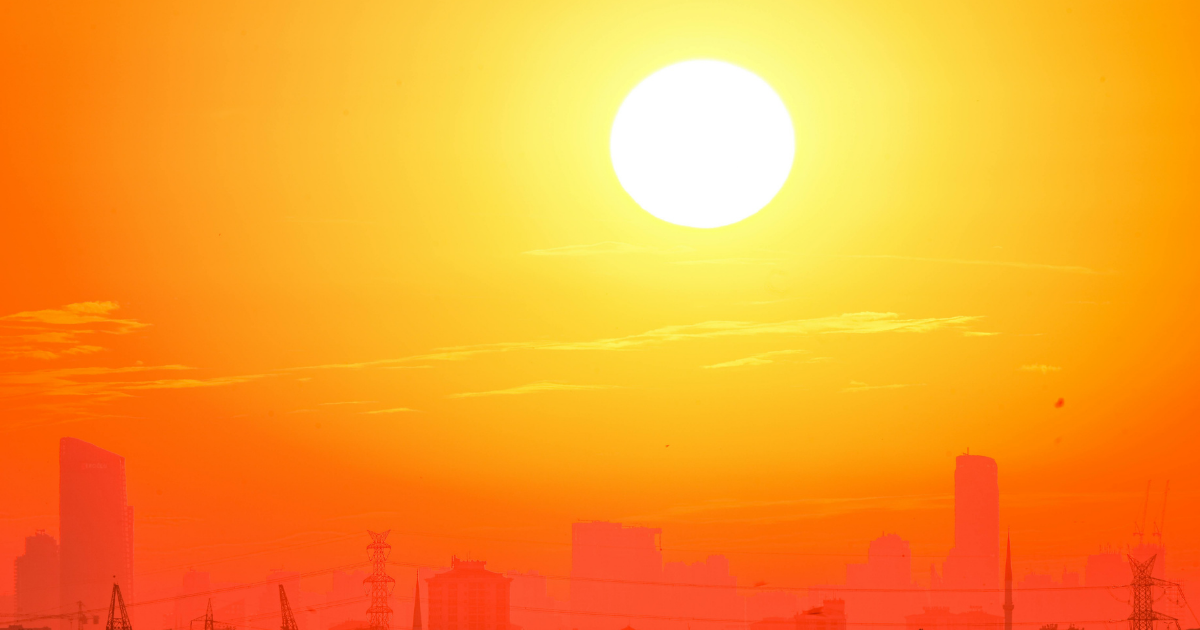
UK heatwave 2026 is bringing one of the hottest and earliest heatwaves on record, with temperatures reaching levels typically seen at the height of summer rather than late May. The extreme weather continues across parts of England and Wales.
The Met Office said the country is currently experiencing an 'exceptional spell of warmth for May', after temperatures reached around 35°C (95°F) in some areas. The heat has triggered health alerts, travel disruption concerns and growing interest in how long the unusually hot conditions could continue into June.
Several parts of southern England recorded temperatures approaching 35°C this week, with Kew Gardens in London among the hottest locations. The provisional figures raise the possibility of a new UK spring temperature record.
Overnight temperatures have also remained unusually high, with some areas experiencing so-called 'tropical nights', where temperatures stay above 20°C (68°F). Warm nights have made sleeping conditions more difficult for many residents during the heatwave.
Temperatures recorded in parts of the UK have also been comparable to, or in some cases higher than, those in popular holiday destinations such as Greece and Spain.
Temperatures are expected to ease gradually later this week as Atlantic weather systems move closer to the UK. However, forecasters say many areas could remain above average for early June, particularly across southern England.
The Met Office said highs could still reach or exceed 30°C (86°F) in some regions before cooler air becomes more established.
BBC Weatherindicated the heat is likely to ease gradually rather than end abruptly, with warm conditions persisting in southern and central areas before a shift towards more unsettled weather patterns later in the period.
Forecast models point to a change in conditions as the heat begins to break down. While temperatures are expected to fall later in the week, thunderstorms could develop as humid air meets incoming Atlantic systems.
Weather warnings highlight risks including flash flooding, lightning strikes, hail and travel disruption in affected areas. The transition from prolonged heat to unstable conditions has become a key focus for forecasters tracking the UK heatwave 2026.
Source: International Business Times UK
