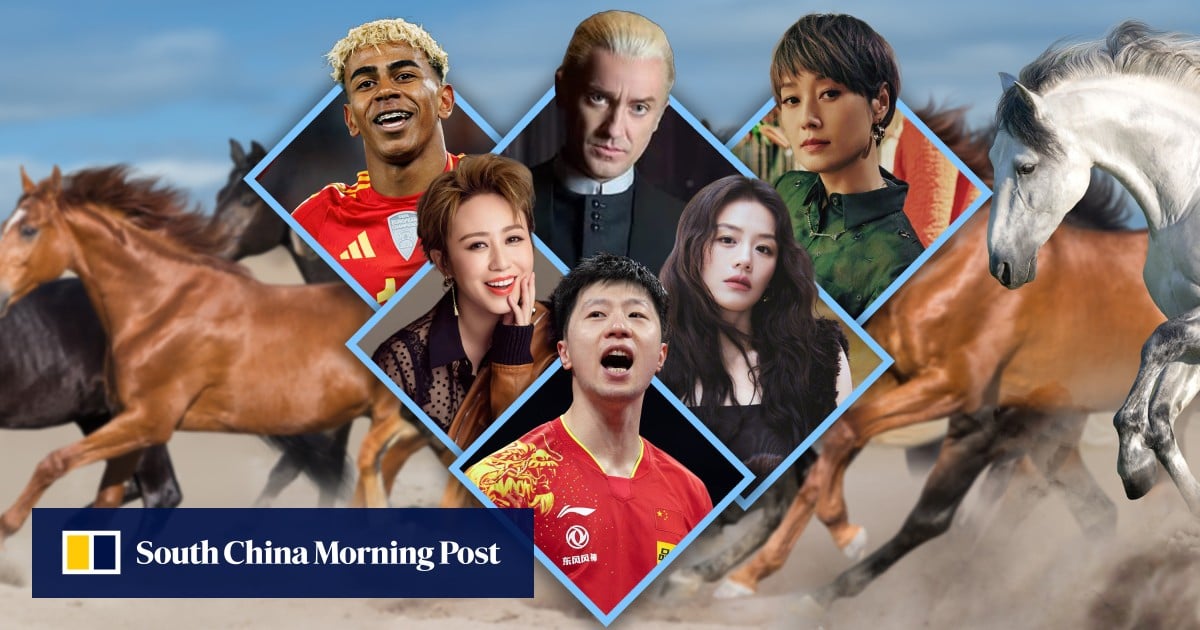
In the bustling digital forums of Weibo and Douyin, a herd of celebrities is stampeding to stardom as China gears up for the Year of the Horse in 2026. Netizens have latched onto stars—both domestic and international—whose names phonetically echo the Chinese character for horse, "马" (mǎ), propelling them into viral fame just weeks before Lunar New Year on February 17. From veteran actors to Hollywood imports, these "horse-named" icons are seeing follower counts skyrocket, with fan edits and memes galloping across platforms.
Leading the charge among Chinese entertainers is actress Ma Sichun, whose surname directly matches the zodiac symbol and has drawn renewed adoration for her roles in films like Left Ear. Comedian Ma Li, known for her comedic timing in the Crazy Alien series, has also neighbored into the spotlight, with searches for her name surging 300% in the past month according to Baidu Index data. The trend extends beyond surnames; performers like rapper Ma Siwei, whose moniker evokes the prancing equine, are benefiting from the phonetic play, as users coin the hashtag #HorseStarPower, amassing over 500 million views.
Foreign celebrities are not left in the dust. Emma Watson's name, rendered as "艾玛" (Ài mǎ) in Chinese, has fans dubbing her the "British Horse Princess," with clips from Harry Potter resurfacing alongside zodiac predictions. French actress Marion Cotillard, phonetically "玛丽昂" (Mǎ lì áng), and even American singer Ariana Grande ("阿里安娜·格兰德," with its leading "A li an na" twist) are being creatively looped into the frenzy. Hollywood agent sources note a spike in Chinese endorsement inquiries for these stars, capitalizing on the cultural zeitgeist.
This equine enthusiasm ties into China's deep-rooted zodiac traditions, where the Horse year symbolizes speed, energy, and success, traits mirrored in the celebrities' dynamic personas. Cultural analysts point to similar past booms—like the Dragon Year hype for "long" (dragon)-sounding names—as evidence of how superstition blends with pop culture. "It's playful nationalism meets marketing savvy," says Beijing-based media professor Li Wei, noting how platforms algorithmically amplify such trends to boost engagement during festive periods.
As the Lunar New Year approaches, brands are already hitching their wagons, with e-commerce giants like Taobao launching "Horse Star" collections featuring merchandise tied to these idols. While skeptics dismiss it as fleeting internet whimsy, the surge underscores China's unique fusion of ancient beliefs and global fandom. For the selected stars, this unexpected popularity gallop could translate into lasting career boosts in the world's largest entertainment market.
