Key points:Beetroot juice reduces systolic blood pressure by up to 4.95 mmHg in hypertensive patients according to a 2024 meta-analysis.The 2014 study found a 7.3 mmHg reduction in daily systolic blood pressure in overweight older adults after three weeks.Benefits cease when consumption stops, proving the body requires consistent nitrate intake.Nitrates convert to nitric oxide, a vasodilator that relaxes blood vessels and improves circulation.Whole beets and beetroot juice both lower blood pressure, though juice provides more concentrated effects.Men with larger blood vessel volume and higher stress levels benefit most from regular beet consumption.The nitric oxide pathway that drug companies cannot patentThe mechanism behind beetroot's blood pressure lowering power is elegantly simple and profoundly effective. Beets contain naturally occurring nitrates that the human body converts into nitric oxide, a molecule that signals blood vessels to relax and widen. This vasodilation optimizes circulation to every cell, tissue, and organ in the body. The 2014 study published inNutrition Research,led by researchers including Cicero Jonas R. Benjamim, tracked 21 overweight older participants over four weeks. Those who consumed beetroot juice concentrate saw an average reduction of 7.3 mmHg in daily systolic blood pressure compared to the blackcurrant juice control group.The 2024 systematic review and meta-analysis, which examined 218 hypertensive patients across seven randomized controlled trials, confirmed that beetroot juice containing 200 to 800 milligrams of nitrate produced a statistically significant reduction in systolic blood pressure of 4.95 mmHg. Notably, diastolic blood pressure remained unaffected, indicating that beetroot targets the systolic number that doctors consider most dangerous for heart attack and stroke risk. The analysis, rated as moderate quality evidence using the GRADE system, leaves no room for dismissal. These studies were blinded, randomized, and controlled. The participants did not know whether they were consuming beetroot juice or a placebo. The researchers did not know which group received the intervention. Yet the blood pressure reductions were undeniable.Why large men benefit most from this forgotten foodThe pharmaceutical industry has never invested in studying whole foods because you cannot patent a beet. You cannot charge $500 per month for a root vegetable that grows in almost any soil. This economic reality explains why your doctor has likely never mentioned beetroot as a blood pressure intervention, despite decades of evidence supporting its efficacy. The 2016 study comparing raw beet juice to cooked beets found that both forms lowered blood pressure and improved blood vessel lining health, but raw juice produced stronger effects. A 2020 study confirmed that eating a lunch containing nitrate rich vegetables, including beets, reduced post meal blood pressure just as effectively as drinking beetroot juice. The implications are clear. Every home apothecary should contain beet root powder for blending into drinks and smoothies, and every kitchen should feature beets as a regular side dish.Large men who carry significant stress, have high blood volume, and require robust circulation to oxygenate their organs stand to gain the most from regular beet consumption. The 2014 study specifically targeted overweight older adults with an average body mass index of 30.1, a demographic that conventional medicine has written off as needing lifelong medication. Yet these participants saw measurable blood pressure improvements without a single pill. The nitrate content in beets works synergistically with other heart healthy nutrients including potassium, fiber, and betalain antioxidants. A single 85 gram serving of beets provides 22 percent of your daily folate needs and 6 percent of your potassium requirements. These nutrients support the entire cardiovascular system, not just one isolated biomarker.Sources include:Health.comPubmed.govPubmed.govPubmed.gov
Key points:Beetroot juice reduces systolic blood pressure by up to 4.95 mmHg in hypertensive patients according to a 2024 meta-analysis.The 2014 study found a 7.3 mmHg reduction in daily systolic blood pressure in overweight older adults after three weeks.Benefits cease when consumption stops, proving the body requires consistent nitrate intake.Nitrates convert to nitric oxide, a vasodilator that relaxes blood vessels and improves circulation.Whole beets and beetroot juice both lower blood pressure, though juice provides more concentrated effects.Men with larger blood vessel volume and higher stress levels benefit most from regular beet consumption.The nitric oxide pathway that drug companies cannot patentThe mechanism behind beetroot's blood pressure lowering power is elegantly simple and profoundly effective. Beets contain naturally occurring nitrates that the human body converts into nitric oxide, a molecule that signals blood vessels to relax and widen. This vasodilation optimizes circulation to every cell, tissue, and organ in the body. The 2014 study published inNutrition Research,led by researchers including Cicero Jonas R. Benjamim, tracked 21 overweight older participants over four weeks. Those who consumed beetroot juice concentrate saw an average reduction of 7.3 mmHg in daily systolic blood pressure compared to the blackcurrant juice control group.The 2024 systematic review and meta-analysis, which examined 218 hypertensive patients across seven randomized controlled trials, confirmed that beetroot juice containing 200 to 800 milligrams of nitrate produced a statistically significant reduction in systolic blood pressure of 4.95 mmHg. Notably, diastolic blood pressure remained unaffected, indicating that beetroot targets the systolic number that doctors consider most dangerous for heart attack and stroke risk. The analysis, rated as moderate quality evidence using the GRADE system, leaves no room for dismissal. These studies were blinded, randomized, and controlled. The participants did not know whether they were consuming beetroot juice or a placebo. The researchers did not know which group received the intervention. Yet the blood pressure reductions were undeniable.Why large men benefit most from this forgotten foodThe pharmaceutical industry has never invested in studying whole foods because you cannot patent a beet. You cannot charge $500 per month for a root vegetable that grows in almost any soil. This economic reality explains why your doctor has likely never mentioned beetroot as a blood pressure intervention, despite decades of evidence supporting its efficacy. The 2016 study comparing raw beet juice to cooked beets found that both forms lowered blood pressure and improved blood vessel lining health, but raw juice produced stronger effects. A 2020 study confirmed that eating a lunch containing nitrate rich vegetables, including beets, reduced post meal blood pressure just as effectively as drinking beetroot juice. The implications are clear. Every home apothecary should contain beet root powder for blending into drinks and smoothies, and every kitchen should feature beets as a regular side dish.Large men who carry significant stress, have high blood volume, and require robust circulation to oxygenate their organs stand to gain the most from regular beet consumption. The 2014 study specifically targeted overweight older adults with an average body mass index of 30.1, a demographic that conventional medicine has written off as needing lifelong medication. Yet these participants saw measurable blood pressure improvements without a single pill. The nitrate content in beets works synergistically with other heart healthy nutrients including potassium, fiber, and betalain antioxidants. A single 85 gram serving of beets provides 22 percent of your daily folate needs and 6 percent of your potassium requirements. These nutrients support the entire cardiovascular system, not just one isolated biomarker.Sources include:Health.comPubmed.govPubmed.govPubmed.gov
Beetroot juice reduces systolic blood pressure by up to 4.95 mmHg in hypertensive patients according to a 2024 meta-analysis.The 2014 study found a 7.3 mmHg reduction in daily systolic blood pressure in overweight older adults after three weeks.Benefits cease when consumption stops, proving the body requires consistent nitrate intake.Nitrates convert to nitric oxide, a vasodilator that relaxes blood vessels and improves circulation.Whole beets and beetroot juice both lower blood pressure, though juice provides more concentrated effects.Men with larger blood vessel volume and higher stress levels benefit most from regular beet consumption.The nitric oxide pathway that drug companies cannot patentThe mechanism behind beetroot's blood pressure lowering power is elegantly simple and profoundly effective. Beets contain naturally occurring nitrates that the human body converts into nitric oxide, a molecule that signals blood vessels to relax and widen. This vasodilation optimizes circulation to every cell, tissue, and organ in the body. The 2014 study published inNutrition Research,led by researchers including Cicero Jonas R. Benjamim, tracked 21 overweight older participants over four weeks. Those who consumed beetroot juice concentrate saw an average reduction of 7.3 mmHg in daily systolic blood pressure compared to the blackcurrant juice control group.The 2024 systematic review and meta-analysis, which examined 218 hypertensive patients across seven randomized controlled trials, confirmed that beetroot juice containing 200 to 800 milligrams of nitrate produced a statistically significant reduction in systolic blood pressure of 4.95 mmHg. Notably, diastolic blood pressure remained unaffected, indicating that beetroot targets the systolic number that doctors consider most dangerous for heart attack and stroke risk. The analysis, rated as moderate quality evidence using the GRADE system, leaves no room for dismissal. These studies were blinded, randomized, and controlled. The participants did not know whether they were consuming beetroot juice or a placebo. The researchers did not know which group received the intervention. Yet the blood pressure reductions were undeniable.Why large men benefit most from this forgotten foodThe pharmaceutical industry has never invested in studying whole foods because you cannot patent a beet. You cannot charge $500 per month for a root vegetable that grows in almost any soil. This economic reality explains why your doctor has likely never mentioned beetroot as a blood pressure intervention, despite decades of evidence supporting its efficacy. The 2016 study comparing raw beet juice to cooked beets found that both forms lowered blood pressure and improved blood vessel lining health, but raw juice produced stronger effects. A 2020 study confirmed that eating a lunch containing nitrate rich vegetables, including beets, reduced post meal blood pressure just as effectively as drinking beetroot juice. The implications are clear. Every home apothecary should contain beet root powder for blending into drinks and smoothies, and every kitchen should feature beets as a regular side dish.Large men who carry significant stress, have high blood volume, and require robust circulation to oxygenate their organs stand to gain the most from regular beet consumption. The 2014 study specifically targeted overweight older adults with an average body mass index of 30.1, a demographic that conventional medicine has written off as needing lifelong medication. Yet these participants saw measurable blood pressure improvements without a single pill. The nitrate content in beets works synergistically with other heart healthy nutrients including potassium, fiber, and betalain antioxidants. A single 85 gram serving of beets provides 22 percent of your daily folate needs and 6 percent of your potassium requirements. These nutrients support the entire cardiovascular system, not just one isolated biomarker.Sources include:Health.comPubmed.govPubmed.govPubmed.gov
Beetroot juice reduces systolic blood pressure by up to 4.95 mmHg in hypertensive patients according to a 2024 meta-analysis.The 2014 study found a 7.3 mmHg reduction in daily systolic blood pressure in overweight older adults after three weeks.Benefits cease when consumption stops, proving the body requires consistent nitrate intake.Nitrates convert to nitric oxide, a vasodilator that relaxes blood vessels and improves circulation.Whole beets and beetroot juice both lower blood pressure, though juice provides more concentrated effects.Men with larger blood vessel volume and higher stress levels benefit most from regular beet consumption.
The 2014 study found a 7.3 mmHg reduction in daily systolic blood pressure in overweight older adults after three weeks.Benefits cease when consumption stops, proving the body requires consistent nitrate intake.Nitrates convert to nitric oxide, a vasodilator that relaxes blood vessels and improves circulation.Whole beets and beetroot juice both lower blood pressure, though juice provides more concentrated effects.Men with larger blood vessel volume and higher stress levels benefit most from regular beet consumption.
Benefits cease when consumption stops, proving the body requires consistent nitrate intake.Nitrates convert to nitric oxide, a vasodilator that relaxes blood vessels and improves circulation.Whole beets and beetroot juice both lower blood pressure, though juice provides more concentrated effects.Men with larger blood vessel volume and higher stress levels benefit most from regular beet consumption.
Nitrates convert to nitric oxide, a vasodilator that relaxes blood vessels and improves circulation.Whole beets and beetroot juice both lower blood pressure, though juice provides more concentrated effects.Men with larger blood vessel volume and higher stress levels benefit most from regular beet consumption.
Whole beets and beetroot juice both lower blood pressure, though juice provides more concentrated effects.Men with larger blood vessel volume and higher stress levels benefit most from regular beet consumption.
Men with larger blood vessel volume and higher stress levels benefit most from regular beet consumption.
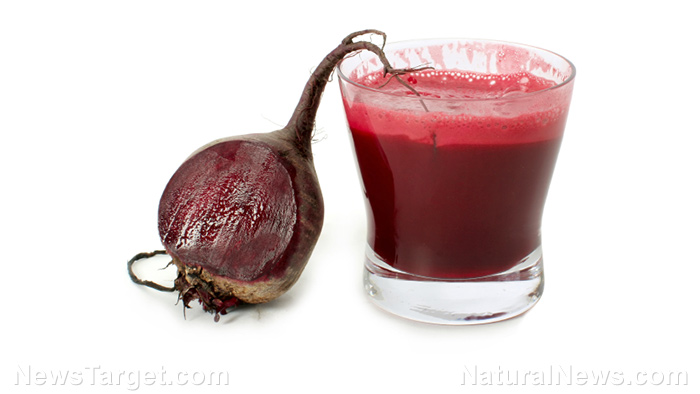
The nitric oxide pathway that drug companies cannot patentThe mechanism behind beetroot's blood pressure lowering power is elegantly simple and profoundly effective. Beets contain naturally occurring nitrates that the human body converts into nitric oxide, a molecule that signals blood vessels to relax and widen. This vasodilation optimizes circulation to every cell, tissue, and organ in the body. The 2014 study published inNutrition Research,led by researchers including Cicero Jonas R. Benjamim, tracked 21 overweight older participants over four weeks. Those who consumed beetroot juice concentrate saw an average reduction of 7.3 mmHg in daily systolic blood pressure compared to the blackcurrant juice control group.The 2024 systematic review and meta-analysis, which examined 218 hypertensive patients across seven randomized controlled trials, confirmed that beetroot juice containing 200 to 800 milligrams of nitrate produced a statistically significant reduction in systolic blood pressure of 4.95 mmHg. Notably, diastolic blood pressure remained unaffected, indicating that beetroot targets the systolic number that doctors consider most dangerous for heart attack and stroke risk. The analysis, rated as moderate quality evidence using the GRADE system, leaves no room for dismissal. These studies were blinded, randomized, and controlled. The participants did not know whether they were consuming beetroot juice or a placebo. The researchers did not know which group received the intervention. Yet the blood pressure reductions were undeniable.Why large men benefit most from this forgotten foodThe pharmaceutical industry has never invested in studying whole foods because you cannot patent a beet. You cannot charge $500 per month for a root vegetable that grows in almost any soil. This economic reality explains why your doctor has likely never mentioned beetroot as a blood pressure intervention, despite decades of evidence supporting its efficacy. The 2016 study comparing raw beet juice to cooked beets found that both forms lowered blood pressure and improved blood vessel lining health, but raw juice produced stronger effects. A 2020 study confirmed that eating a lunch containing nitrate rich vegetables, including beets, reduced post meal blood pressure just as effectively as drinking beetroot juice. The implications are clear. Every home apothecary should contain beet root powder for blending into drinks and smoothies, and every kitchen should feature beets as a regular side dish.Large men who carry significant stress, have high blood volume, and require robust circulation to oxygenate their organs stand to gain the most from regular beet consumption. The 2014 study specifically targeted overweight older adults with an average body mass index of 30.1, a demographic that conventional medicine has written off as needing lifelong medication. Yet these participants saw measurable blood pressure improvements without a single pill. The nitrate content in beets works synergistically with other heart healthy nutrients including potassium, fiber, and betalain antioxidants. A single 85 gram serving of beets provides 22 percent of your daily folate needs and 6 percent of your potassium requirements. These nutrients support the entire cardiovascular system, not just one isolated biomarker.Sources include:Health.comPubmed.govPubmed.govPubmed.gov
Source: NaturalNews.com
