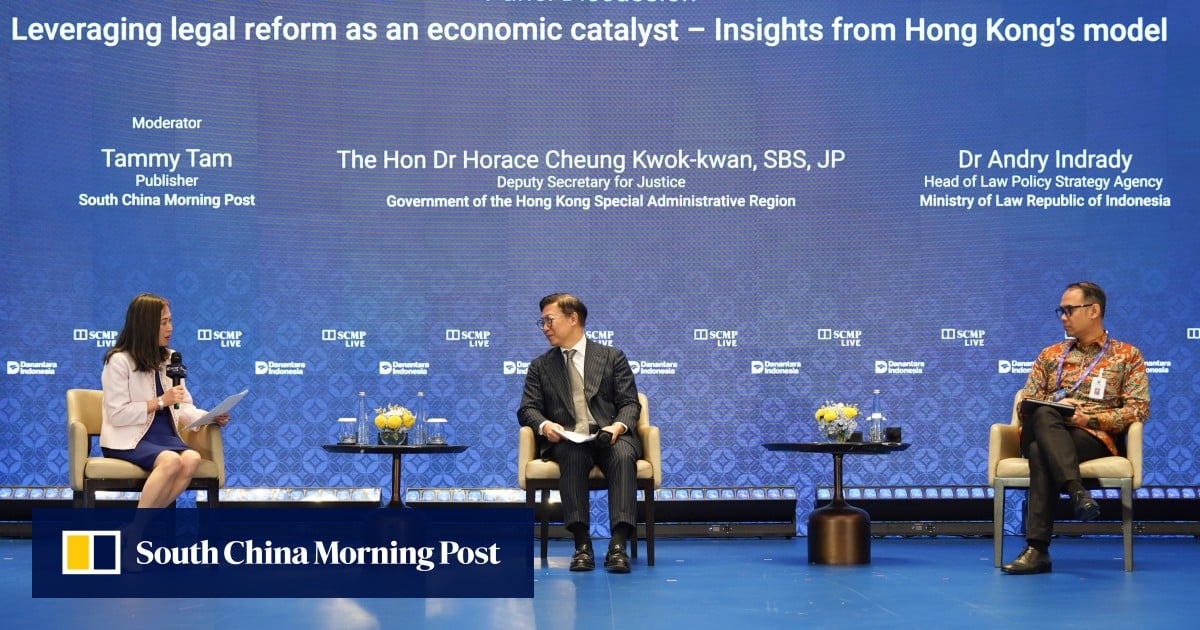
Hong Kong's deputy justice secretary has declared the city is intensifying efforts to solidify its position as a premier global hub for international arbitration, even as geopolitical tensions loom large. Speaking at a legal conference, the official highlighted recent surges in arbitration caseloads and new initiatives aimed at attracting high-stakes disputes from around the world, positioning Hong Kong as a neutral ground amid rising U.S.-China frictions.
The Hong Kong International Arbitration Centre (HKIAC) reported a 20% increase in case filings last year, with many involving parties from mainland China, Europe, and Southeast Asia. The deputy justice secretary pointed to the city's enduring common law framework—unique in the region—and its enforceability under the New York Convention as key advantages. "We are not just competing; we are leading," the official stated, emphasizing streamlined procedures and tech integrations like virtual hearings that have boosted efficiency post-pandemic.
This push comes against a backdrop of challenges, including Beijing's 2020 national security law, which critics argued could erode judicial independence. Yet, proponents counter that safeguards remain intact for commercial arbitration, insulated from political cases. Singapore, Hong Kong's fiercest rival, has chipped away at market share with aggressive incentives, but Hong Kong officials tout superior connectivity to the mainland's vast economy—now the world's second-largest—as an unbeatable edge.
New measures include tax breaks for arbitrators and expanded training programs for local talent, alongside bilateral agreements with Belt and Road nations to prioritize Hong Kong seats for disputes. Analysts note this aligns with China's broader strategy to internationalize its legal influence through institutions like the Hong Kong courts, potentially drawing in infrastructure megaprojects worth trillions.
Industry leaders welcomed the remarks, with one prominent arbitrator calling it "a timely signal of resilience." As global trade wars simmer, Hong Kong's arbitration ambitions could reshape dispute resolution in Asia, offering a bridge between East and West—or highlighting the risks of over-reliance on a politically charged hub.