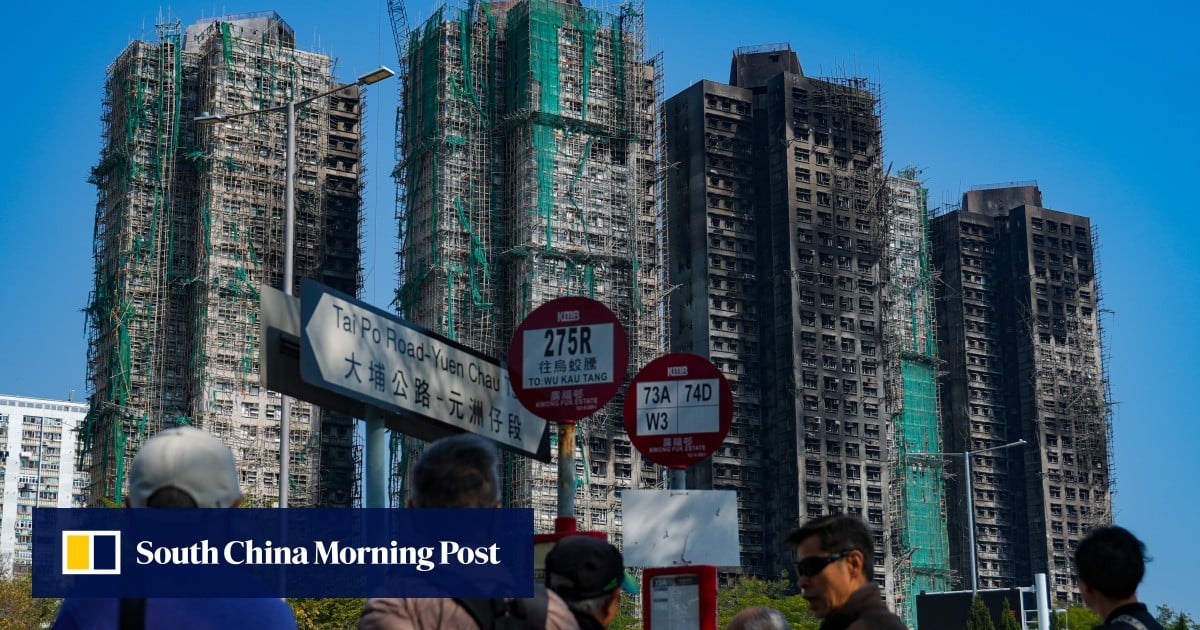
In the wake of a devastating fire that claimed multiple lives and displaced hundreds in Hong Kong's densely packed public housing estates, Chief Executive John Lee revealed that affected residents are open to selling their flats back to the government. Speaking at a press conference, Lee emphasized the willingness of victims to part with their properties as a pragmatic step toward rebuilding safer communities, signaling a potential shift in how authorities handle aging infrastructure in the city.
The blaze, which erupted late last month in a 50-year-old residential block in Kowloon, exposed longstanding safety vulnerabilities in Hong Kong's aging public housing stock. Fire services battled flames for hours, rescuing over 200 residents while four fatalities were confirmed. Preliminary investigations point to faulty wiring and inadequate fire suppression systems, issues that have plagued similar buildings for decades amid the city's chronic housing shortage.
Lee's comments come as the government accelerates assessments of fire-damaged units, with many deemed uninhabitable. "The residents have expressed a strong desire to sell their flats to the authorities," Lee stated, noting that buyback offers would include fair compensation and priority access to modern housing developments. This approach aims to expedite demolition and reconstruction, bypassing lengthy legal disputes that have stalled previous remediation efforts.
Victims' groups have welcomed the proposal, citing frustration with temporary accommodations and the emotional toll of uncertainty. One resident, speaking anonymously, described the fire as a "wake-up call," adding that selling back provides a clean break from substandard living conditions. However, critics question whether compensation packages will adequately reflect skyrocketing property values, potentially leaving lower-income families at a disadvantage in Hong Kong's overheated real estate market.
Broader implications loom for the city's housing policy, where over 30% of public rental flats exceed 40 years in age. Lee's initiative could set a precedent for mandatory buybacks in high-risk zones, aligning with Beijing-backed reforms to modernize infrastructure. Yet, with fiscal pressures mounting, analysts warn that funding such programs might strain public coffers, forcing tough choices between safety upgrades and other social priorities.