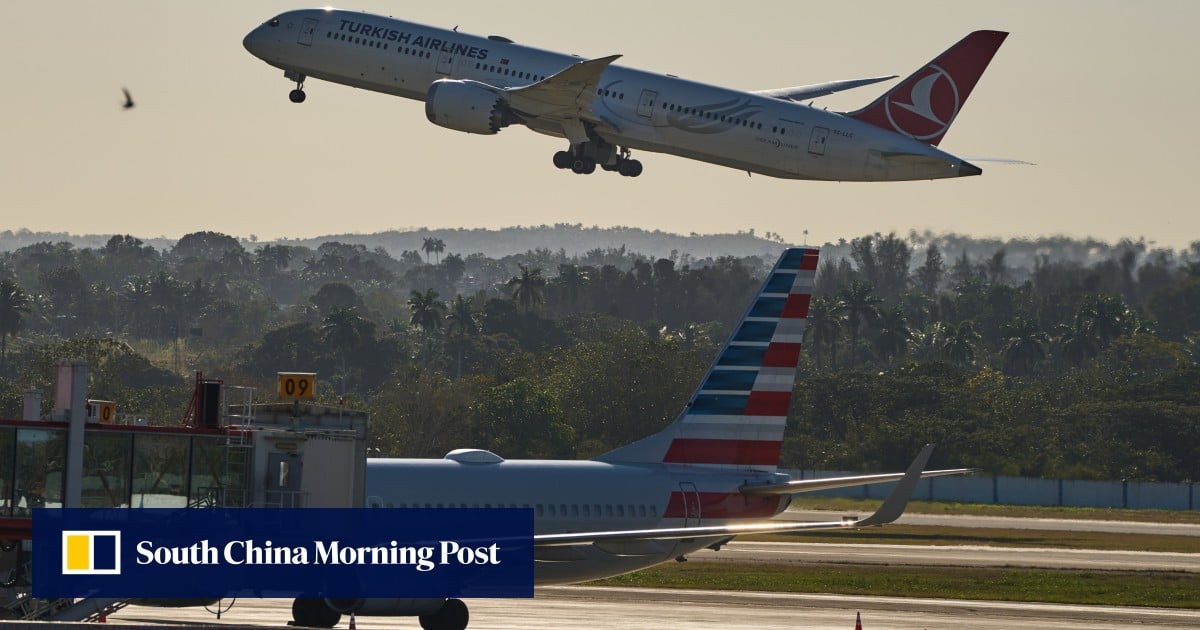
Cuba's state-run aviation authority has issued stark warnings to international airlines operating in the country, alerting them to critically low fuel reserves that could ground flights within weeks. The directive, sent to carriers like Air Canada, Copa Airlines, and European low-cost operators, underscores the island nation's deepening energy crisis, exacerbated by the long-standing U.S. economic blockade. As jet fuel stocks dwindle amid stalled imports, Havana is scrambling to ration supplies, prioritizing essential domestic services over international routes.
The crisis stems from a confluence of factors, with Cuba's primary oil suppliers—Venezuela and Russia—facing their own production shortfalls. Venezuela's output has plummeted due to U.S. sanctions and internal mismanagement, while Russian deliveries have been inconsistent amid the Ukraine conflict and Western pressures. Cuban officials blame the U.S. embargo, renewed in vigor under successive administrations, for blocking alternative suppliers and financing, claiming it has cost the economy billions and left refineries idle for lack of parts.
Since the embargo's origins in the 1960s, Cuba has navigated periodic blackouts and fuel shortages, but the current episode marks a severe escalation. Power plants, many antiquated Soviet-era relics, are operating at half capacity, leading to rolling blackouts that last up to 20 hours daily in some provinces. The aviation alert is just the latest symptom: sugar mills have halted, public transport is paralyzed, and hospitals rely on diesel generators amid widespread frustration.
Tourism, a lifeline for Cuba's economy, faces devastation as airlines contemplate route cuts. In 2025 alone, visitor numbers dropped 15% due to prior disruptions, and experts warn this could worsen, deterring investment and remittances. Havana has appealed to allies like China and Mexico for emergency shipments, while domestically, the government promotes biofuel experiments and solar initiatives—though these remain nascent against overwhelming demand.
Analysts view the standoff as a microcosm of U.S.-Cuba tensions, with Washington arguing the blockade pressures the communist regime on human rights and democracy. Yet Cuban leaders frame it as economic warfare, rallying domestic support amid protests that have sporadically erupted. As fuel gauges hit empty, the island's isolation grows, testing the resilience of a nation long accustomed to adversity.
