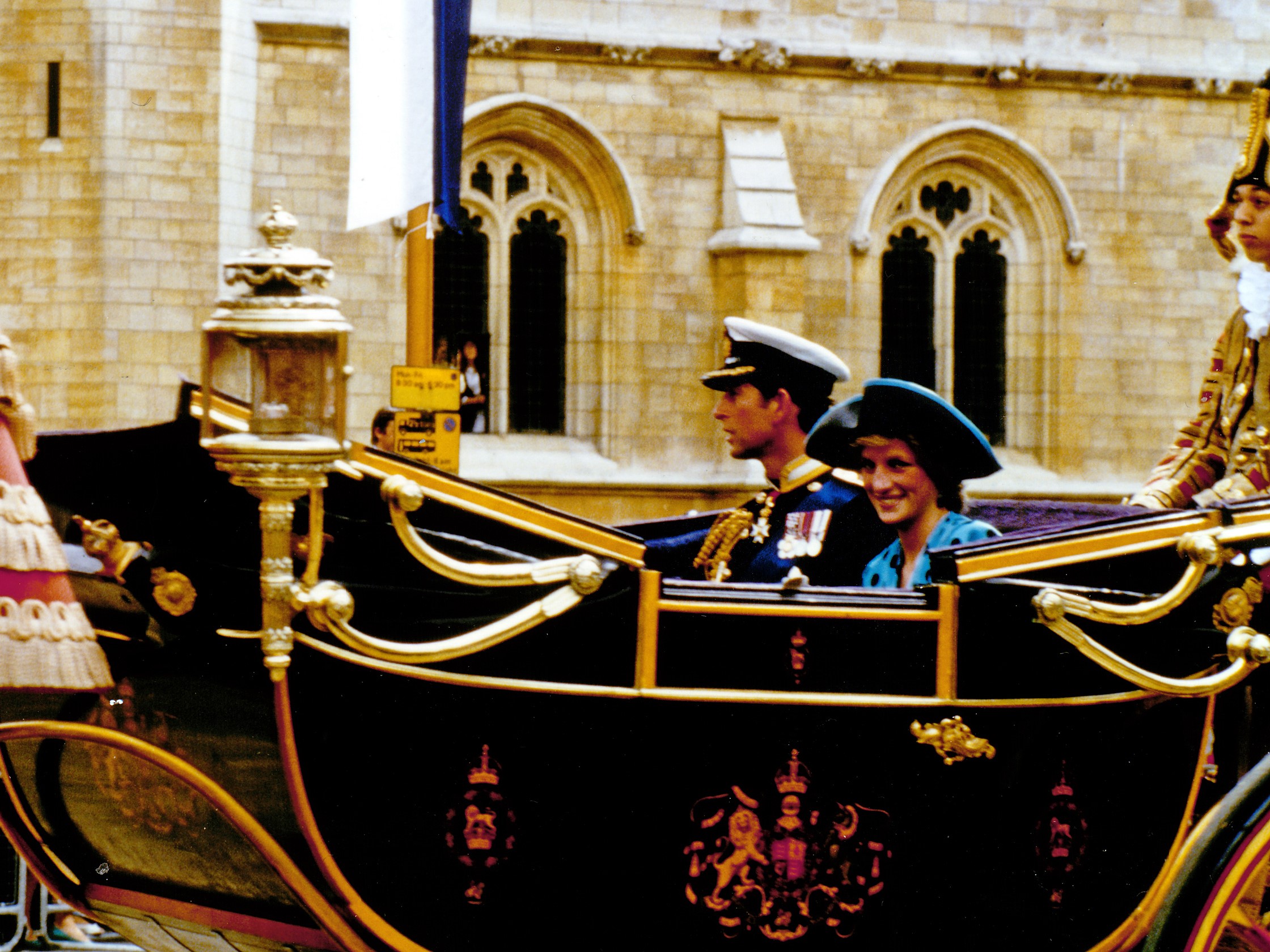
Princess Diana was barely two months into married life when she admitted she was still 'playing with grown-ups.' A newly unearthed honeymoon letter now heading to auction offers a revealing glimpse of a young princess navigating royal life long before the collapse of her marriage to the future King Charles.
A handwritten letter sent by Princess Diana during her honeymoon with then Prince Charles is set to go under the hammer this summer, shedding fresh light on the earliest days of a marriage once presented as the ultimate royal fairy tale.
The three-page note, dated 27 September 1981, was written fromBalmoralCastle in Scotland to Diana's former school friend, Katherine Hanbury. It's included in a collection of memorabilia announced for sale by Sussex auction house Gorringe's ahead of its Fine Art and Interiors auction on 7 July.
In the letter,the 20-year-old Princess of Walesdescribed her honeymoon as 'blissful,' writing that the couple had enjoyed 'endless sun and luckily calm seas' during their post-wedding travels aboard the Royal Yacht Britannia.
'Its [sic] wonderful being married – I think its [sic] safe to say that after two months...!' Diana wrote, in a line that now reads with noticeable hesitation given what followed in the years ahead.
She then added, 'Its [sic] a case of playing with grown-ups!'
At the time, she had gone from nursery assistant to global celebrity in a matter of months after marrying the heir to the throne at St Paul's Cathedral on 29 July 1981.
The letter also contains comments that stand in contrast to the narrative that later defined Charles and Diana's troubled relationship.
Diana wrote enthusiastically about life in Scotland, telling Hanbury she adored 'being outside all day' and 'hate[d] London.' The couple remained at Balmoral after returning from a 12-day Mediterranean cruise that included stops in Egypt and the Greek islands.
Balmoral and country living would eventually become symbolic of the couple's differences. Charles was deeply attached to rural life and royal tradition, while Diana was often portrayed as increasingly isolated within that environment.
Source: International Business Times UK
