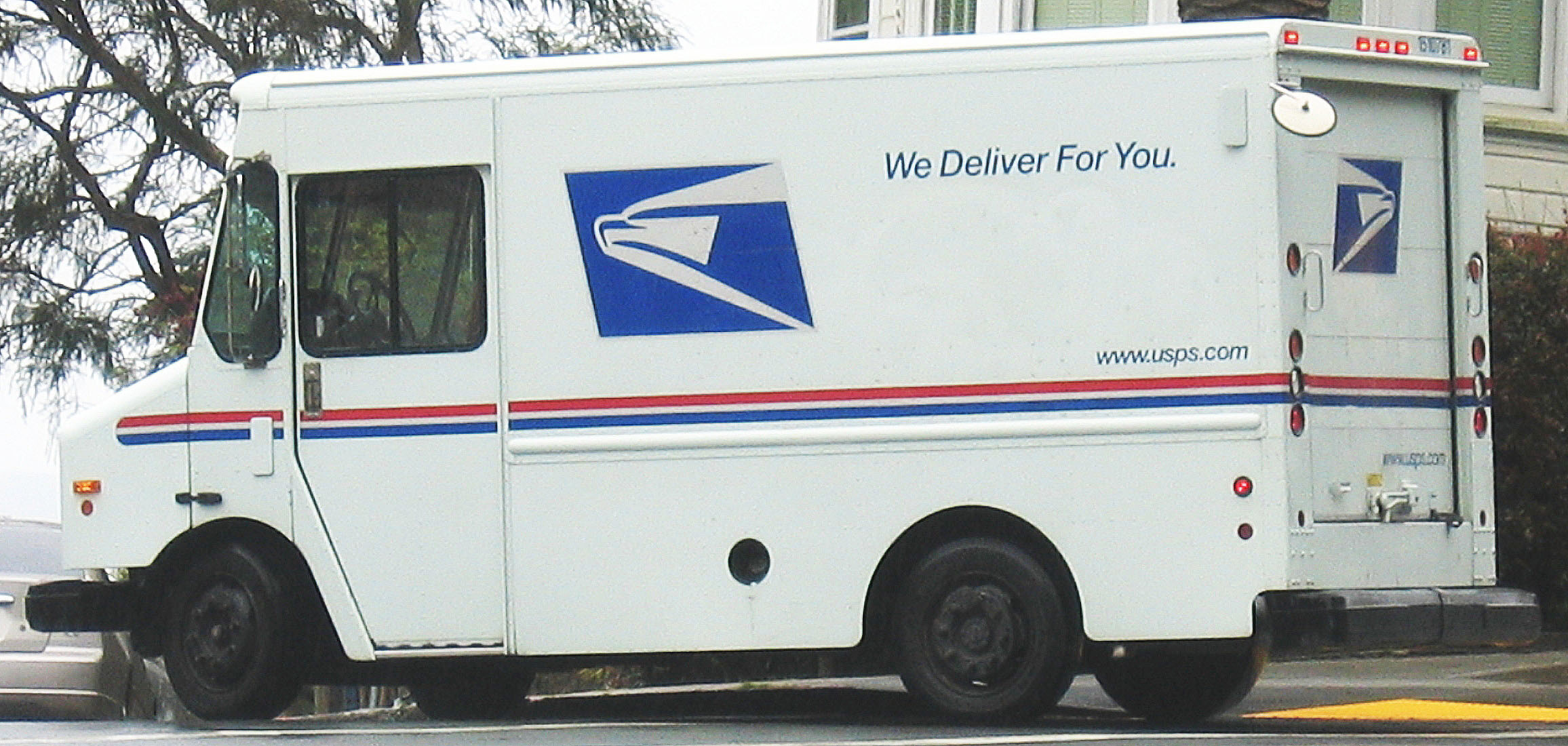
A former United States Postal Service postmaster in western Kansas has admitted stealing more than $57,000 from the agency while running a small‑town branch, federal prosecutors said on Tuesday. Joyce Smith, who served as postmaster in Scott City from January 2023 to February 2025,pleaded guilty to theft by a government employeeafter a routine audit uncovered theembezzlement.
Smith's role as postmaster placed her in charge of both the administrative and day‑to‑day operations of the Scott City post office, a position that relied heavily on trust. According to the United States Attorney's Office for the District of Kansas, that trust began to unravel when internal checks flagged discrepancies in cash and cheque handling over a two‑year period. What initially looked like accounting errors turned, investigators say, into evidence of a systematic scheme.
The news came after an audit traced multiple shortfalls directly to Smith's handling of payments. Prosecutors say she stole roughly $10,600 in cash payments from customers, including money handed over at the counter for standard postal services. In addition, the audit found she issued about $3,700 in money orders to herself and kept approximately $3,400 that customers had paid for post office boxes.
Those are the parts of the theft that are straightforward to explain. The more opaque element involved cheques sent in for business services such as permits or mass mailings. The US Attorney's Office said Smith accepted these cheques, provided the requested services, but never recorded the payments in USPS systems.
In total, the Postal Service could not account for cheques worth $16,788 issued by the City of Scott City, $5,850 issued by the Scott County Landfill and $17,108 issued by a local newspaper, according to the same office. The sums are modest by the standards of big‑ticket fraud, but in a community the size of Scott City they represent a meaningful chunk of local and commercial spending, quietly diverted from public coffers.
None of these figures has been disputed publicly by Smith's side. At this stage, there is no indication in the available documents of any defence argument about bookkeeping errors or shared responsibility. On paper, at least, the trail leads back to a single official at a single counter.
US Attorney Ryan Kriegshauser did not mince words in outlining what he believes the case shows about oversight of government employees. He said Smith 'probably thought her position would let her escape consequences' and argued that the theft underlines why close monitoring of public officials matters, even in small offices far from Washington.
It is a blunt assessment, and it reads as much like a warning to other public servants as a comment on Smith herself. Postmasters occupy a curious space in American life: part bureaucrat, part community figurehead, often the most visible face of the federal government in rural towns. The presumption is that they will guard public money rather than tap into it.
The investigation into Smith was carried out by the US Postal Service Office of Inspector General, working with the US Attorney's Office. That pairing is standard in cases involving suspectedinternal theft, but it also hints at how seriously the agency takes even relatively small‑scale embezzlement. For an organisation built on reliability, the prospect of a postmaster quietly pocketing customer payments hits a nerve.
There is, so far, no detailed public account of what prompted the initial audit or whether colleagues raised concerns. Nothing in the available material confirms whistleblowing, complaints from local businesses or customer reports. In the absence of that detail, the timeline of suspicion remains unclear. What is clear is that, once the shortfalls surfaced in the books, the paper trail appears to have been enough to bring federal investigators to the Scott City branch.
Source: International Business Times UK
