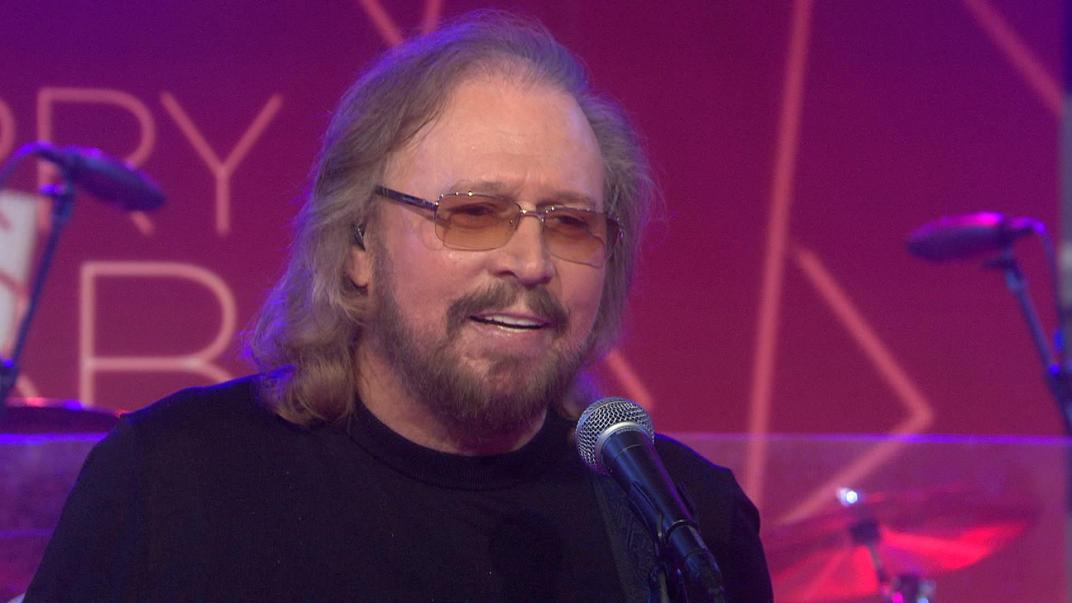
Barry Gibb, the last surviving member of the Bee Gees, was the subject of a viral death hoax that spread rapidly across social media, briefly convincing nearly a million users that the music legend had died.
The false reports originated from online posts and pages that falsely claimed the singer had passed away, triggering widespread confusion and concern among fans before being debunked.
According to reports, the rumour gained traction after a fabricated 'RIP Barry Gibb' message circulated widely, accumulating large engagement before fact-checking confirmed that the singer is alive.
The incident adds to a growing pattern ofcelebrity death hoaxesthat continue to spread rapidly in the digital age, often fuelled by algorithm-driven engagement and misinformation loops.
The rumour appears to have gained momentum through social media sharing, where unverified posts can quickly reach large audiences before corrections are issued.
In Barry Gibb's case, misleading posts were amplified across platforms, with some users reacting emotionally before verifying the claims. Within hours, the narrative had spread far beyond its original source.
Experts in digital misinformation note that celebrity death hoaxes often gain traction because they rely on shock value and emotional response, two factors that significantly increase online engagement.
While platforms have improved moderation systems, false claims about high-profile figures still regularly bypass initial detection, particularly when they originate from user-generated content pages.
Contrary to the viral posts, Barry Gibb is alive, and there has been no credible reporting or official statement confirming any health emergency or death.
Fact-checking outlets and entertainment media quickly clarified the situation, reinforcing that the viral claims were entirely false.
Source: International Business Times UK
