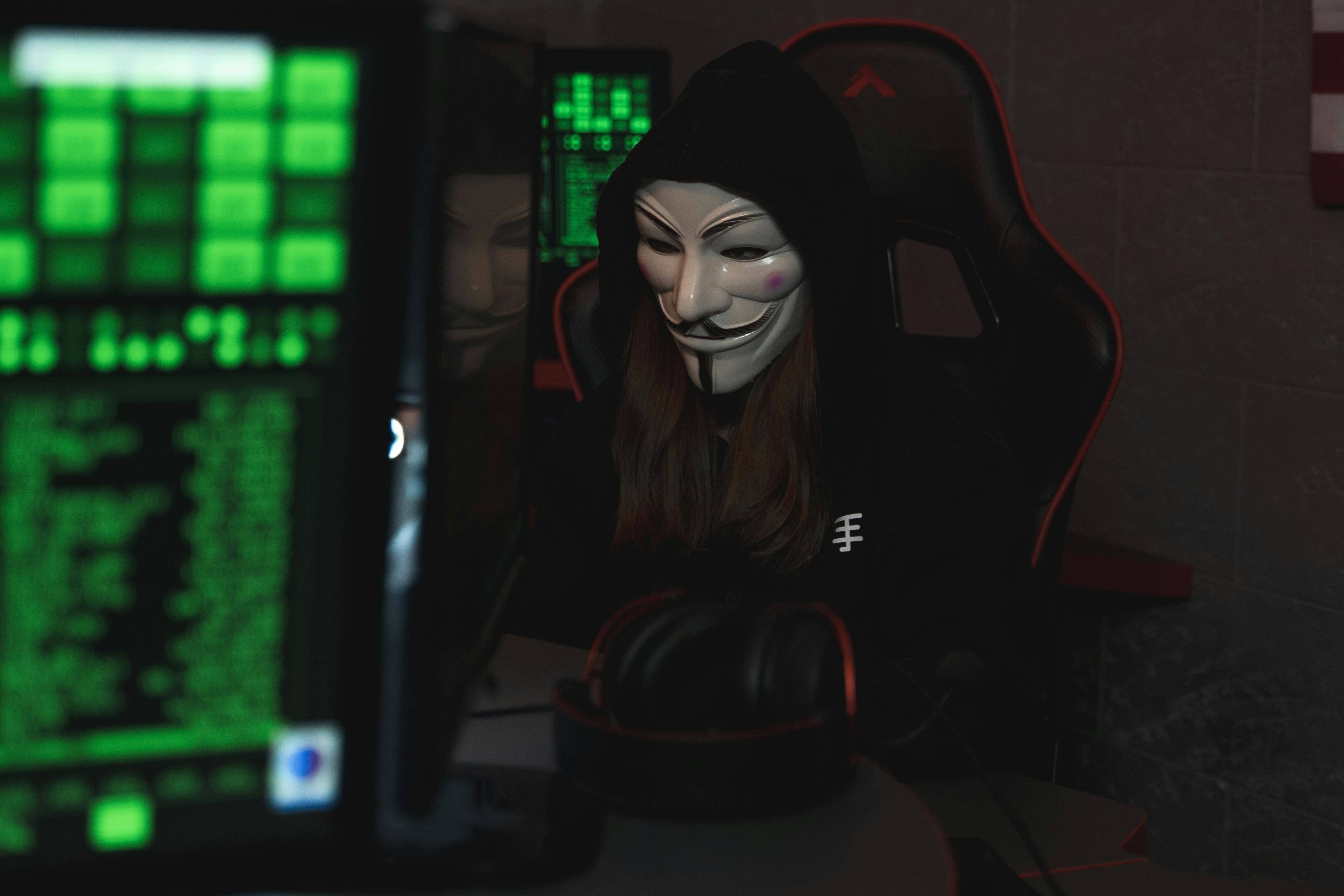
A disturbing new warning has raised fresh alarm over what experts describe as one of the darkest corners of the internet, after an ethical hacker claimed to have uncovered a sprawling online network accused of targeting vulnerable children through secret chat rooms disguised as safe spaces.
The shocking allegations point to a disturbing web of grooming, extortion and psychological abuse, with the hacker claiming the network openly embraces satanic imagery and deliberately preys on children already struggling with mental health issues.
The alarming claims centre on a shadowy online group known as '764,' described as one of theearliest communities linked to this alleged method of targeting children online. According to the ethical hacker, the original group may have splintered into hundreds, possibly thousands, of smaller offshoots operating under different names across multiple platforms.
What makes the claims particularly chilling is the alleged level of organisation behind it.
The hacker said these communities are not random chat groups. Instead, they are reportedly structured around detailed written guides teaching members how to manipulate and extort children. Those alleged manuals are said to include step-by-step instructions on how to identify vulnerable young people, build emotional trust and gradually pressure them into handing over personal details and compromising images.
The network's branding has also sparked concern. The hacker claimed several connected groups openly use pentagrams and satanic imagery and allegedly describe themselves as cults.
The alleged members are believed to operate under fake names, often from different countries, making it far harder for law enforcement to track them down as a single organisation.
According to the claims, members often search for children already experiencing loneliness, bullying, depression or emotional distress. Some reportedly enter legitimatemental health support communities, blending in before privately contacting vulnerable users.
Others allegedly create fake support groups of their own.
These spaces are reportedly presented as friendly online communities offering emotional support. Children are welcomed with kind messages, reassurance and constant attention. The alleged aim, according to the hacker, is to build trust quickly before isolating the child from safer support networks.
Source: International Business Times UK
