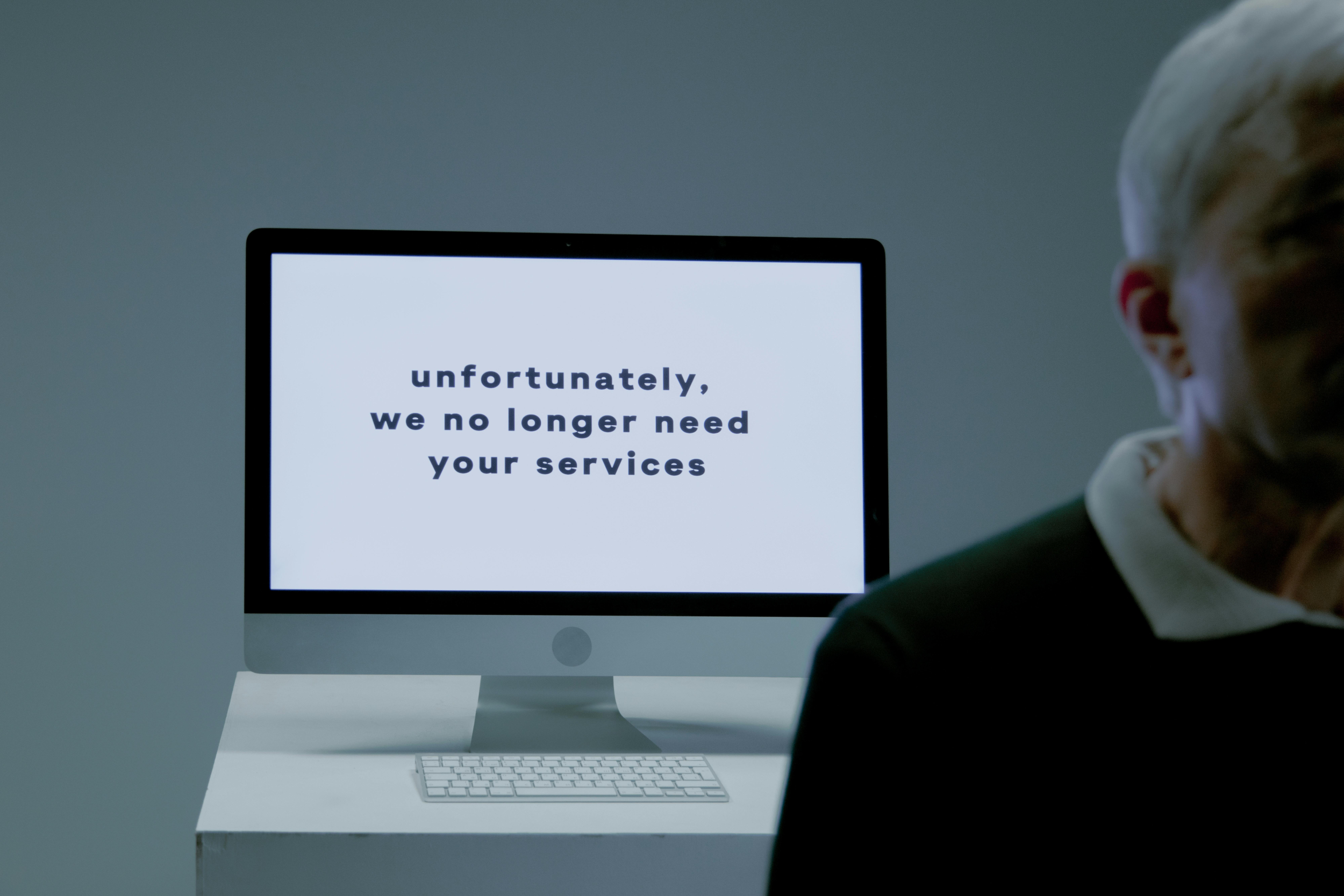
A major new workplace survey has sent shockwaves through the corporate world this month, revealing a massive shift in how global companies plan to operate. Staff across various sectors now face unprecedented career anxiety as corporate leaders quietly prepare to reshape the traditional workforce. The sudden strategic pivot has left millions wondering if their roles will exist by the end of the decade.
Anxiety over artificial intelligence has reached a fever pitch. This isn't about some Hollywood nightmare of a superintelligent machine seizing control. The reality is much closer to home, and perhaps far more grounding: a world where capitalism grinds on exactly as before, except for one devastating shift—human labour has been made obsolete.
Anew surveyof nearly 1,000 US executives by consulting firm Mercer has revealed just how quickly the corporate landscape is shifting. An overwhelming 98 percent of those polled are already planning major restructuring around AI, while 99 percent expect these changes to result in layoffs over the next two years.
Mercer’s Global Talent Trends report, published in May 2026, found that 99% of CEOs surveyed expect AI-driven layoffs within two years. The survey found 63% of executives see AI-enabled work redesign as the strongest ROI driver, while only 32% believe their workforce can…pic.twitter.com/xB8C6pIsml
First covered byTechSpot, the Mercer report highlights a sharp decline in employee wellbeing as anxiety over automation spreads through workplaces. Mercer's tracking of worker sentiment shows that 66 percent of employees reported they were 'thriving' in their roles back in 2024. Just two years later, that figure has plummeted to a mere 44 percent.
Meanwhile, the proportion of employees reporting that they are unhappy in their roles has surged. More than 20 percent of those surveyed confessed that while they are unsatisfied, they feel trapped by their circumstances and plan to stick it out for at least another year.
Equally troubling is how human resources managers intend to tackle this widespread burnout, which comes against a backdrop of stagnant wages and a worsening job market. Over the next two years, 49 percent of HR professionals believe that blending employee feedback with behavioural data will be essential for workforce management. Furthermore, 44 percent view continuous monitoring software as a vital tool, while 43 percent say the same about AI chatbots.
In a somewhat paradoxical twist, 63 percent of executives are convinced that restructuring roles around automation will yield the biggest financial payouts. However, this confidence looks detached from reality following a January study, which showed that over half of the chief executives who implemented AI failed to see any cost savings or revenue growth.
When artificial intelligence first began rolling out on a larger scale, corporate leaders routinely promised that the technology would augment and support human workers, rather than push them out. Now, major companies likeBlockandMetaare being far more upfront about tech-driven job cuts. This shift is mirrored in the data, with only about three in 10 executives believing their firms can successfully combine human talent with machine capabilities.
🚨 The Great 2026 Tech Re-Architecture is HereMeta just cut 8,000 jobs globally…While announcing up to $145 BILLION investment into AI infrastructure.But here’s the real story:Instead of pure layoffs, they’re reassigning over 7,000 employees directly into AI-focused…pic.twitter.com/JWn2T9gacZ
Source: International Business Times UK
