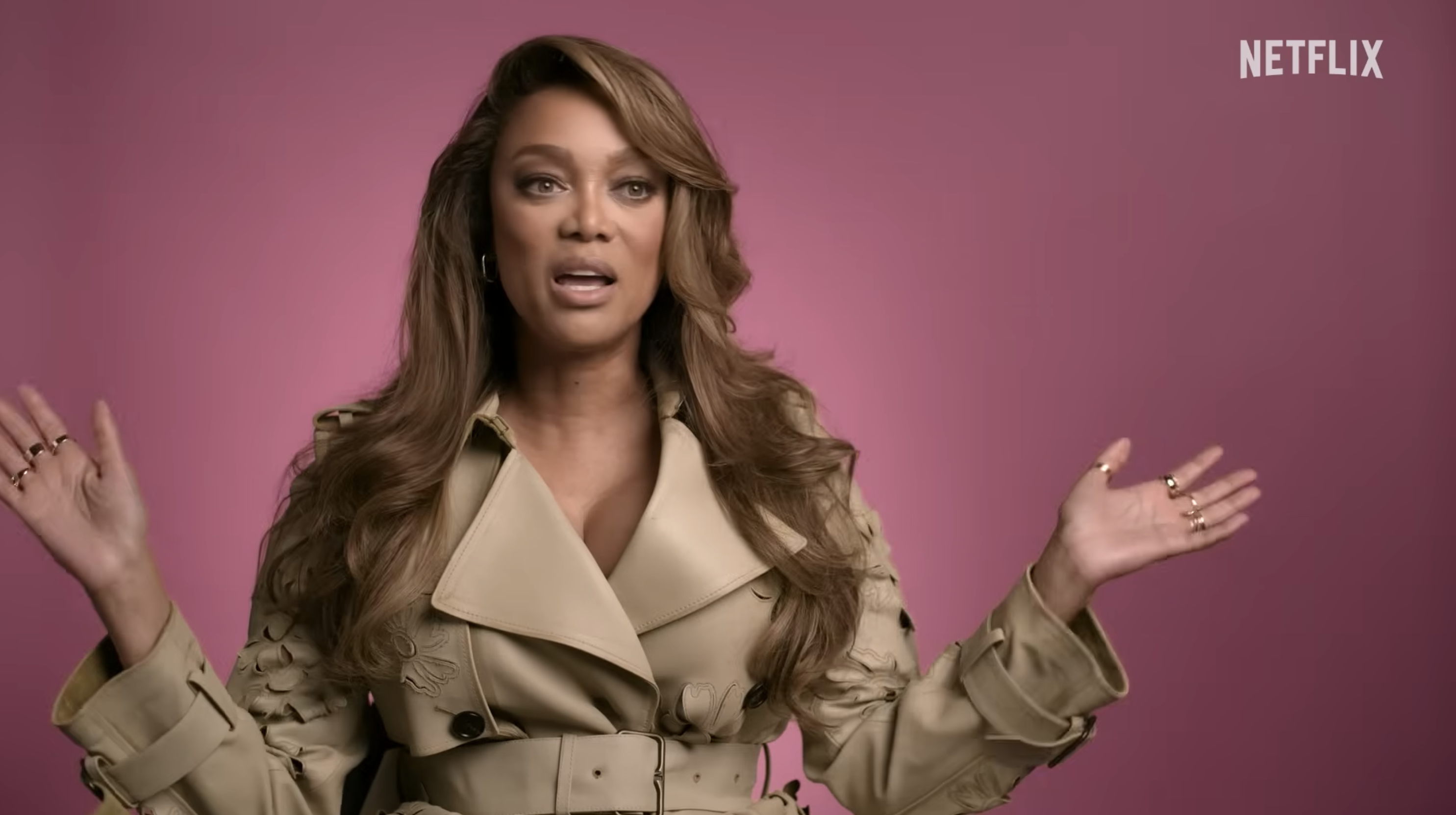
For over a decade,America's Next Top Modelwas a television juggernaut. Premiering in 2003, the reality competition programme ran for 24 cycles and was broadcast in 170 countries, drawing in over 100 million viewers at its peak. It turned its creator and host, supermodelTyra Banks, into a household name.
However, a new three-part Netflix documentary titledReality Check: Inside America's Next Top Modelis now casting a harsh light on the show's legacy. The series reveals a culture of alleged exploitation, suggesting that behind the glamour, the production thrived on body-shaming and humiliation.
Tyra Banks often presented herself as a trailblazer who wanted to democratise the fashion industry and celebrate diversity. However,Reality Checkargues that the programme was intent on upholding a toxic status quo. The documentary highlights how women were weighed on camera and had their bodies criticised harshly.
One former contestant, Giselle, an African-Latina woman whom Banks claimed she fought to cast, was ridiculed for having a 'wide ass'. Decades later, Giselle admits that the comment still haunts her, stating, 'That's how I talk to myself, to this day.' In another instance, a woman deemed to be larger than the other models was made to pose as an elephant during a safari-themed photoshoot.
The documentary suggests that the 'challenges' set for the aspiring models were often humiliation rituals disguised as fashion shoots. The series details how contestant Dani was pressured to close the gap in her front teeth to be marketable. In a more disturbing segment, a contestant named Dionne was asked to pose with a fake bullet wound in her head.
This request was made despite the production knowing that Dionne's mother had been shot by an ex-partner and left paralysed. Dionne assumed it was a coincidence, but executive producer Ken Mok admits in the film that the shoot was 'a mistake' and a 'celebration of violence', though he appears to lack deep empathy for the individual suffering caused.
The programme's history of offensive photoshoots is examined closely. The documentary recalls the 'switching ethnicities' shoot in 2005, where models were put in blackface, a concept that was repeated in 2009.
Other tasteless concepts included models posing as homeless people, murder victims in crime scenes, and a shoot where a model had to pose with fake vomit to mimic bulimia. While the judges now display some regret, Banks largely deflects blame. When addressing the extreme nature of the show, she tells the interviewer, 'You guys were demanding it,' effectively blaming the audience for the content produced.
Perhaps the most disturbing allegation comes from contestant Shandi Sullivan regarding a trip to Milan. Shandi recounts becoming 'blacked out' drunk after drinking two bottles of wine. She subsequently had sex with a local man while camera crews filmed the encounter.
Shandi states she was too intoxicated to consent, saying, 'I just knew sex was happening, and then I passed out.' She claims her requests to leave the production were denied, and she was only allowed to call her boyfriend if the conversation was filmed. The resulting episode was titled 'The Girl Who Cheated.' Banks' on-screen response at the time was to hold a discussion about 'primal desires' rather than addressing the safety failure.
Source: International Business Times UK