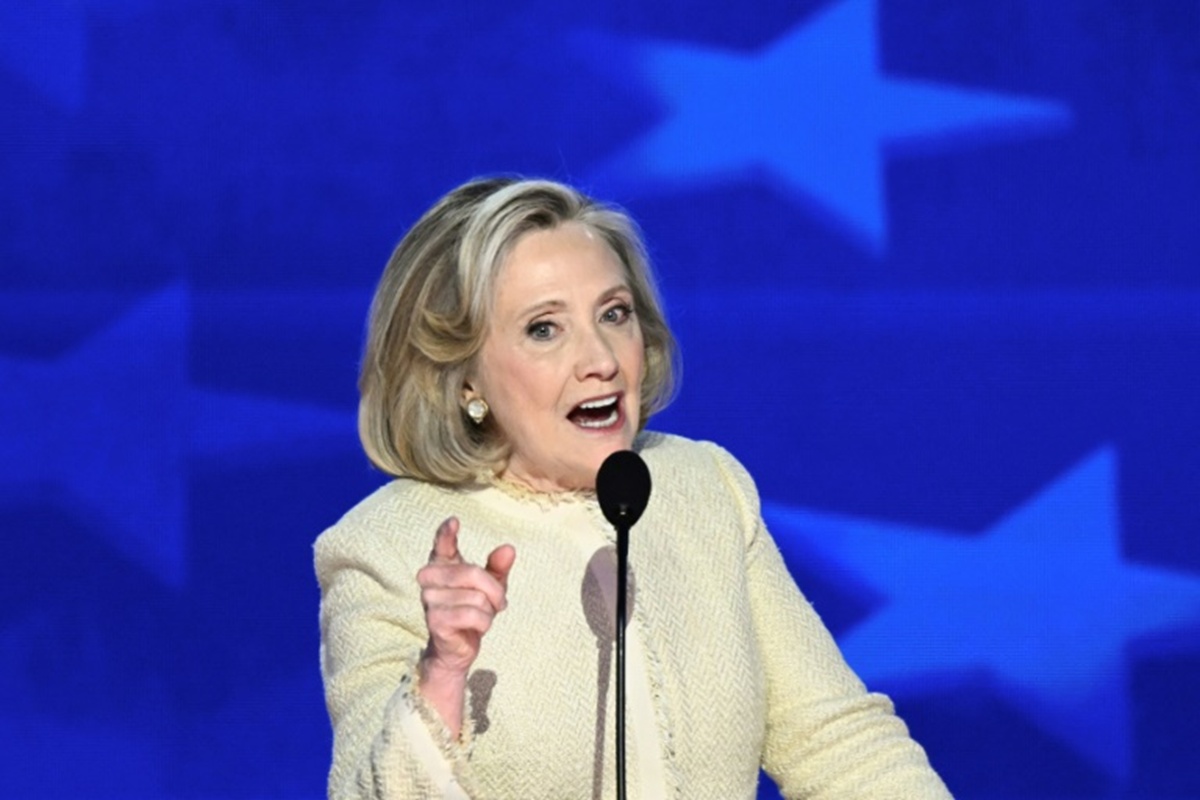
Speculation has reignited across social media platforms over whether former US Secretary of State Hillary Clinton could face arrest following renewed congressional subpoenas connected to the Jeffrey Epstein investigation. The debate has intensified amid contempt proceedings in Congress, with arrest calls circulating widely across political forums and news feeds.
However, constitutional scholars and former federal prosecutors emphasise that any arrest will depend strictly on evidentiary standards and formal judicial processes. Under US law, prosecutorial decisions are governed by probable cause and grand jury procedures—not public pressure, political messaging, or viral online campaigns.
Under US law, an arrest requiresprobable causethat a specific criminal offence has been committed. Prosecutors must present evidence to a grand jury, which then decides whether to issue an indictment. Only after an indictment can a judge issue an arrest warrant.
Acongressional subpoenadoes not constitute a criminal charge. It is a legislative tool used to compel testimony or documents as part of oversight investigations. Individuals can receive subpoenas as witnesses without being accused of wrongdoing. Currently, there is no public record of criminal charges against Clinton in relation to Epstein-related matters.
TheHouse Oversight Committee issued subpoenasto Hillary and Bill Clinton as part of its inquiry into the handling of the Epstein case and potential institutional failures. Both declined to comply, prompting the committee to vote to hold them in contempt of Congress.
Contempt of Congress can be referred to the Department of Justice for possible prosecution, but such referrals do not automatically result in charges. Legal scholars note that even if a referral proceeds, federal prosecutors would independently determine whether the available evidence meets the threshold required for criminal prosecution.
As contempt proceedings made headlines, online commentary intensified. Some social media users have framed the matter as evidence of broader wrongdoing and called directly for arrest.
I am calling for the arrest and prosecution of Hillary Clinton who set up a conspiracy to usurp a sitting U.S. President.She cannot get away with turning the country inside out (and 30% of the country STILL believes it, thus creating TDS).Lock her up.@AGPamBondi…pic.twitter.com/sJa1MZXnbJ
Such statements reflect political frustration rather than formal prosecutorial action. Trending demands do not equate to indictments, and no arrest warrant has been issued.
Another wave of criticism has focused on former President Bill Clinton's documented travel on Epstein's private aircraft in the early 2000s. Critics have cited flight logs while questioning accountability narratives.
Source: International Business Times UK
