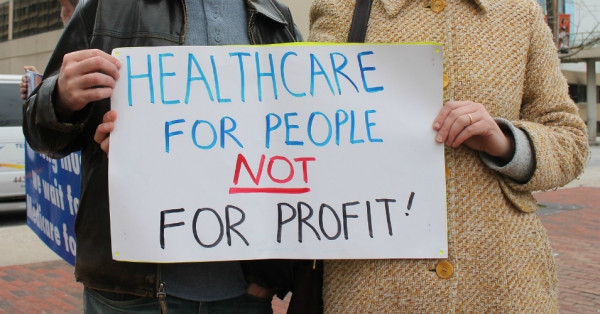
In the midst of skyrocketing healthcare costs and a chronic disease epidemic gripping the nation, a provocative collection from Global Research titled "Selected Articles: How to Fix Our Broken Medical System" lays bare the systemic failures plaguing modern medicine. Americans spend more per capita on health than any other country, yet life expectancy lags behind peers, with iatrogenic deaths—those caused by medical errors or interventions—rivaling the toll of heart disease and cancer combined. The compilation pulls together expert voices exposing how profit-driven pharmaceuticals, regulatory capture, and institutionalized neglect of preventive care have turned healing into a trillion-dollar racket.
At the heart of the critique are pharmaceutical giants whose monopolistic grip stifles innovation and prioritizes patents over patients. Contributors highlight how blockbuster drugs like statins and antidepressants are overprescribed, masking root causes such as poor nutrition and environmental toxins while generating endless revenue streams. One article dissects the opioid crisis not as a mere supply issue but as a symptom of a system that incentivizes addiction over cure, with Big Pharma lobbying to extend patents and suppress generics. Regulatory bodies, once watchdogs, now serve as gatekeepers, approving marginal therapies while burying data on safer alternatives like ivermectin or high-dose vitamin protocols that challenged COVID narratives.
Solutions proposed in the selection demand radical restructuring: dismantle drug monopolies through antitrust enforcement, incentivize lifestyle medicine via tax reforms favoring nutrition and fitness over pills, and empower decentralized care models like direct primary care that bypass insurance bureaucracies. Authors advocate for transparency mandates, forcing disclosure of all clinical trial data and physician conflicts of interest, alongside federal investment in research for metabolic health—targeting insulin resistance as the linchpin of modern ailments. Grassroots examples from functional medicine clinics show dramatic reversals in diabetes and autoimmune conditions through diet alone, underscoring the system's willful ignorance of non-patentable cures.
The cultural ramifications ripple far beyond clinics, fueling a broader war over bodily autonomy and scientific integrity. Post-pandemic, trust in institutions has cratered as suppressed studies and coerced mandates revealed medicine's politicization, with Global Research's articles framing this as a deliberate assault on informed consent. Reformers argue that reclaiming health sovereignty requires rejecting the medical-industrial complex's narrative of inevitable sickness, embracing evidence-based dissent, and holding elites accountable. As chronic illness burdens economies and erodes freedoms, these selected insights offer a blueprint not just for repair, but for a resilient future where health is a right, not a privilege doled out by corporate overlords.
Yet implementation faces fierce resistance from entrenched interests, with policymakers beholden to campaign donors and media amplifying fear to sustain the status quo. The path forward hinges on public awakening—through platforms like Global Research that amplify censored truths—and electoral pressure to prioritize human flourishing over shareholder value. In this pivotal moment, fixing the medical system isn't merely technical; it's a battle for the soul of a society teetering on the edge of preventable decline.