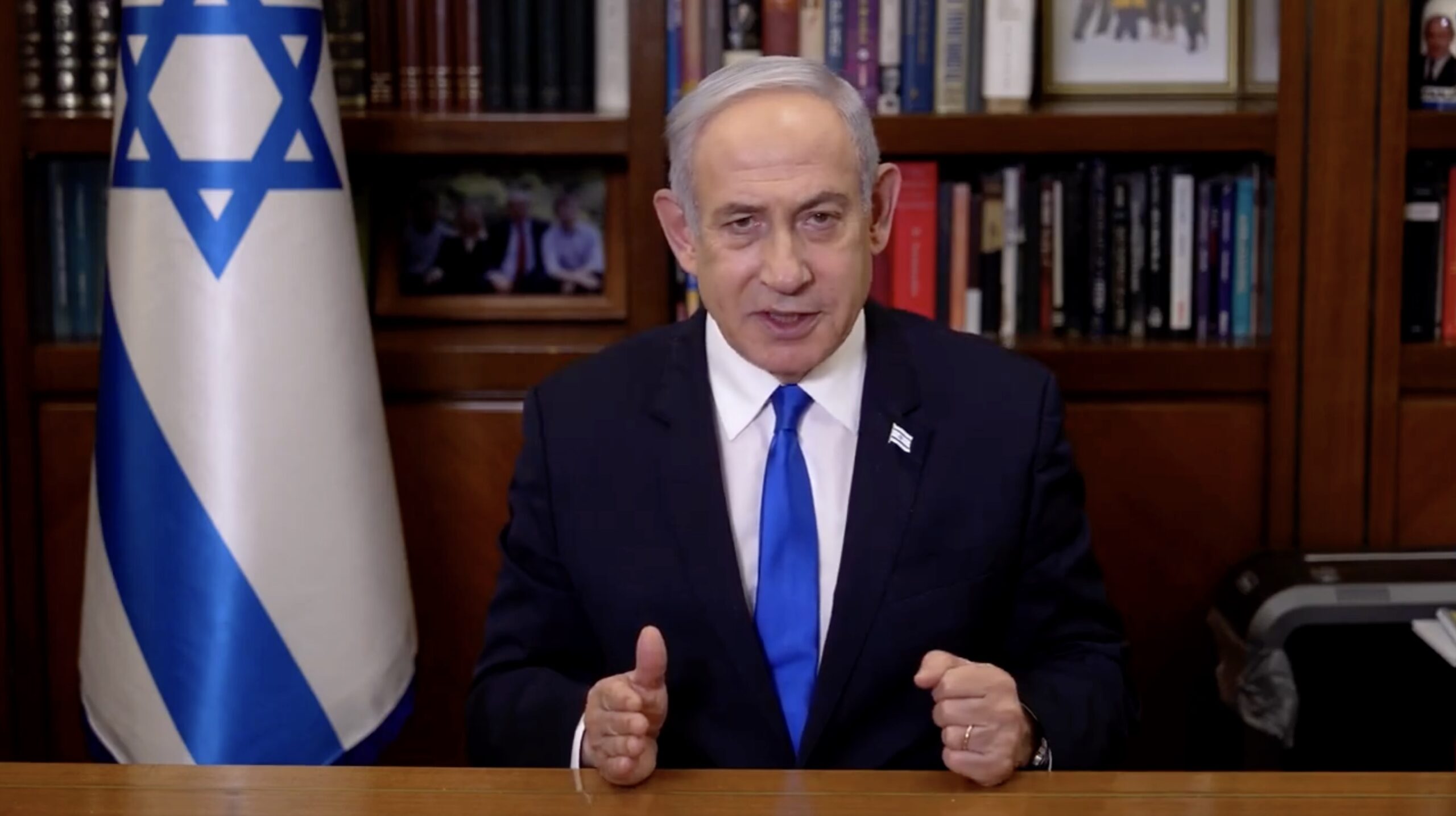
A fragile ceasefire in the Middle East is once again under strain after Benjamin Netanyahuordered intensified military actionagainst Hezbollah in Lebanon, raising fears of a broader escalation that could derail ongoing diplomatic efforts.
The move comes at a particularly sensitive moment. Indirect talks between the United States and Iran are ongoing, with both sides cautiously exploring a possible framework to reduce tensions.Netanyahu made his position clear in a video statement. “We are at war with Hezbollah… and we will intensify our strikes,” he said.
He added that Israel would not ease its military posture. “We are not taking our foot off the gas—on the contrary, I have instructed them to press the pedal even harder.”
The directive marks a significant escalation in what has already been a volatile situation. Despite a mid-April ceasefire, hostilities between Israel and Hezbollah have continued at a lower but persistent level.
The truce, brokered in part through U.S. mediation, reduced the intensity of fighting but never fully halted it. Both sides have continued to exchange strikes.Hezbollah has increasingly relied on drone warfare. These low-cost, highly adaptable systems have proven difficult to counter.
In recent weeks, so-called FPV kamikaze drones have been used to target Israeli forces. Some of these systems are guided by fiber-optic cables, allowing them to evade electronic jamming.
The effectiveness of these attacks has raised concerns within Israeli leadership. A recent drone strike killed an Israeli soldier and seriously wounded another.
The incident has fueled calls for a stronger response. Several Israeli ministers have demanded a more aggressive strategy.
Israeli Finance Minister Bezalel Smotrich argued that deterrence must be restored. “For every explosive drone, 10 buildings should fall in Beirut,” he said.
Another senior figure, Minister of National Security Itamar Ben-Gvir, took a similarly hard line. He urged a return to full-scale war if attacks continue.
Source: The Gateway Pundit
