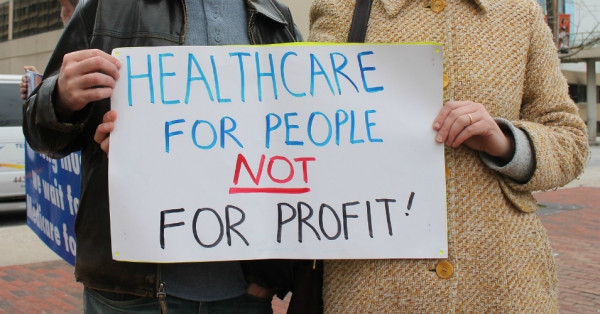
In the shadow of skyrocketing premiums and endless wait times, America's medical system teeters on the brink of collapse, leaving millions burdened by debt and denied basic care. Life expectancy has plummeted to levels not seen in decades, even as the nation funnels trillions into hospitals and pharmaceuticals. A provocative analysis from Global Research lays bare the rot: a corporatized behemoth prioritizing profits over patients, entangled in regulatory webs that stifle innovation and compassion.
The culprits are clear. Big Pharma's iron grip drives drug prices to absurd heights—insulin costs ten times more in the U.S. than abroad—while hospital monopolies in rural areas charge whatever the market won't bear. Medicare and Medicaid, meant as safety nets, have morphed into bloated bureaucracies, with administrative costs devouring 25% of every healthcare dollar. The opioid crisis, fueled by aggressive marketing and lax oversight, claimed over 100,000 lives last year alone, exposing how incentives reward sickness over cures.
Historical missteps compound the chaos. Post-World War II employer-based insurance distorted markets, decoupling costs from consumers. The Affordable Care Act layered on mandates without addressing root inefficiencies, while COVID-19 policies accelerated distrust: forced experimental vaccines, shuttered practices, and telehealth mandates that favored tech giants. Compared to freer systems like Singapore's, where competition keeps costs low and outcomes high, America's model looks like a relic of central planning.
Fixes demand bold surgery. Price transparency laws, already partially enacted, must expand to force real competition—imagine shopping for an MRI like you do for a flight. Health savings accounts, turbocharged with tax incentives, would empower patients as consumers. Tort reform to curb defensive medicine, ending certificate-of-need laws that protect incumbents, and deregulating telemedicine could unleash innovation. Critically, severing the revolving door between regulators and industry would realign priorities toward healing, not hustling.
Yet cultural battles rage within: 'woke' medical schools prioritize DEI over merit, eroding trust, while mandates infringe on bodily autonomy. Restoring a doctor-patient bond, free from ideological interference, is non-negotiable. Global Research's blueprint isn't radical—it's a return to first principles: markets that serve people, not the other way around. As midterm elections loom, voters must demand leaders willing to dismantle this Frankenstein before it consumes us all.