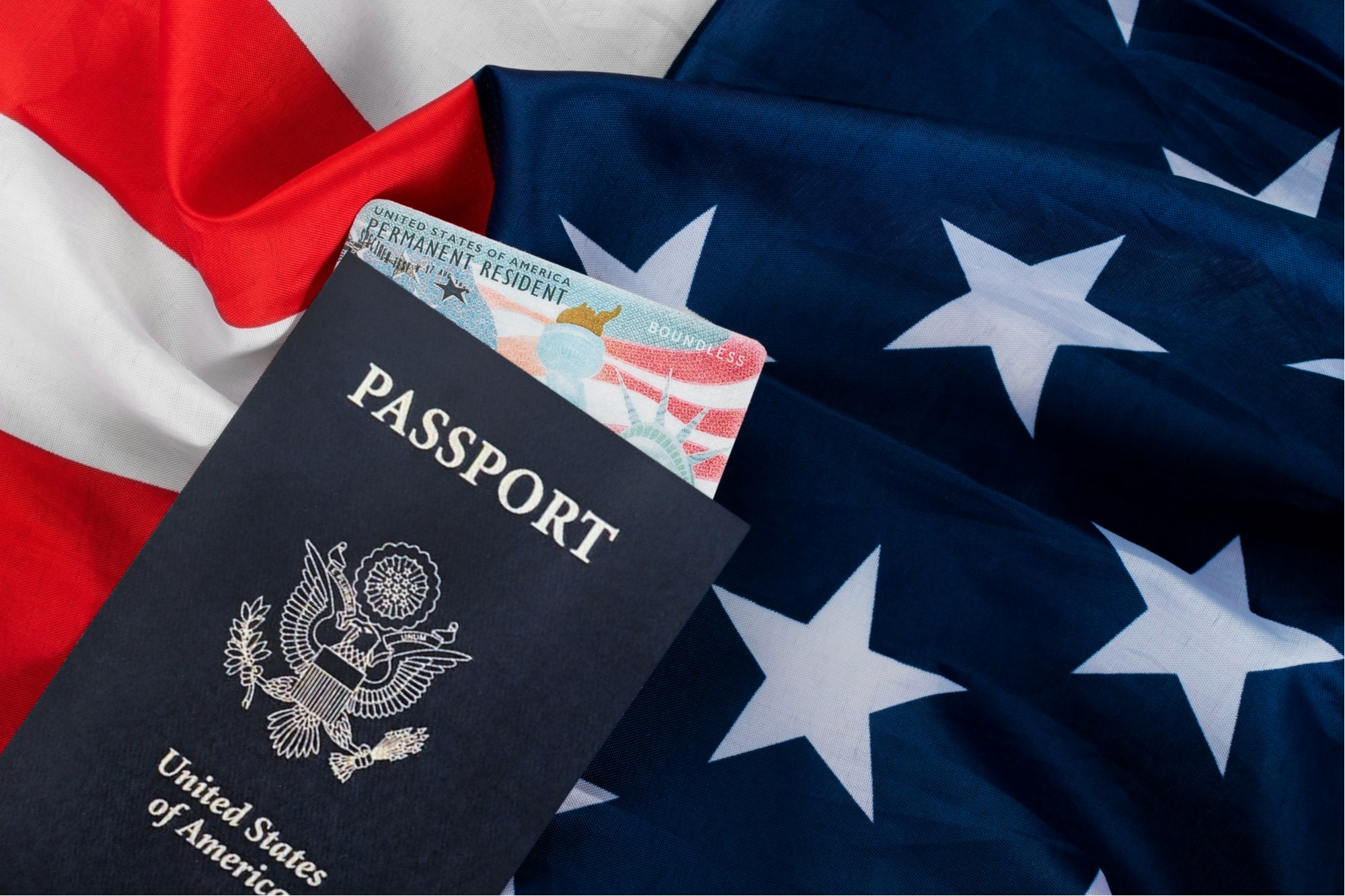
US immigration authorities are moving to close a long-standing pathway that allowed temporary visa holders to easily transition to permanent residency, marking a significant shift in US immigration policy. The change comes after broader immigration scrutiny triggered by the National Guard DC shooting investigation, according to theAmerican Immigration Lawyers Association.
The newmemorandumfrom USCIS aims to end the practice of treating temporary visas as an automatic route to green cards, particularly affecting Indian nationals who have relied on this process. Indian nationals form the largest group affected, with over one million currently in employment green card backlogs.
The memorandum specifically targets adjustment of status provisions that have permitted temporary workers to apply for permanent residency without leaving the United States. Immigration officials state the change will require most applicants to pursue consular processing in their home countries instead.
This represents a fundamental restructuring of how employment-based immigration functions under current administration priorities, according toUSA Today.
The timing of the USCIS memo relates directly to broader immigration scrutiny triggered by the National Guard DC shooting investigation. Following the November 2025 shooting of two National Guard members in Washington DC and the arrest of an Afghan national, the Department of Homeland Security published aseries of measuresrestricting entry and eligibility for immigration benefits. Officials linked security vulnerabilities in the immigration system to the case, which promptedPresident Donald Trumpto order comprehensive immigration benefit re-examinations.
The memorandum narrows adjustment of status eligibility to extraordinary circumstances only, effectively closing what critics had called a loophole, making green cards too accessible. USCIS reaffirmed that adjustment of status is a discretionary benefit and wasnot intended to replace consular processing.
Temporary visa holders, including H-1B workers, will now face significantly longer processing times and must return home for visa interviews, adding months or years to their timeline. Thevisa bulletinshows current priority dates for the Indian EB-2 and EB-3 categories remain years behind, compounding the difficulty.
The changes mean applicants can no longer assume temporary visa status guarantees eventual permanent residency options within the United States.
The memorandum has become amajor restriction on adjustment of status approvals, noting that USCIS has directed officers to evaluate applications case-by-case, with applicants bearing the burden of demonstrating they merit a favourable exercise of discretion. TheAmerican Immigration Lawyers Associationcharacterised the policy shift as USCIS reframing adjustment of status as 'extraordinary relief' from the standard consular visa process, a significant departure from how the pathway has historically functioned.
USCIS has begun implementing expanded processing holds and re-review of pending immigration benefits applications across multiple categories.
Source: International Business Times UK
