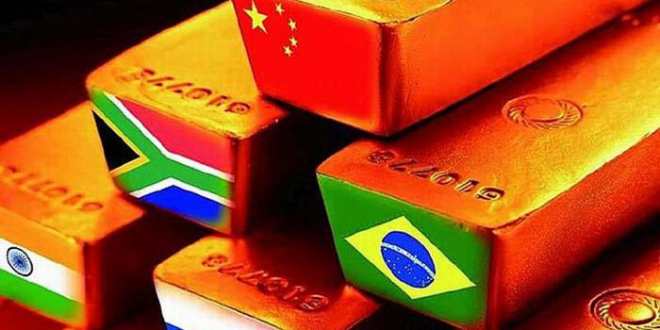
BRICS nations have amassed a staggering 50% of global gold reserves, positioning the bloc as a formidable counterweight to Western financial dominance and igniting debates over the US dollar's eroding supremacy. This development, highlighted in recent analyses from financial watchdogs, underscores a deliberate strategy by Brazil, Russia, India, China, South Africa, and expanded members like Iran, Saudi Arabia, the UAE, Egypt, and Ethiopia to diversify away from dollar-denominated assets amid geopolitical tensions.
The numbers paint a vivid picture: China leads with over 2,200 tonnes officially reported—though insiders speculate holdings exceed 5,000 tonnes—while Russia boasts around 2,300 tonnes, bolstered by aggressive purchases post-2022 sanctions. India holds nearly 850 tonnes, and even smaller players like Saudi Arabia contribute over 300 tonnes. Collectively, this dwarfs the US's 8,133 tonnes, which, despite being the largest single stash, represents a shrinking slice of the global pie as BRICS central banks scooped up record gold in 2025 alone, outpacing all others combined.
This gold rush stems from BRICS' broader de-dollarization push, accelerated by US-led sanctions that froze Russian assets and weaponized the SWIFT system. At the 2024 Kazan summit, leaders unveiled plans for a gold-backed trade unit to settle transactions in local currencies, reducing reliance on the petrodollar. Russia's pivot to gold sales for energy deals with China and India exemplifies the trend, while Iran's oil exports increasingly bypass USD intermediaries.
For the US dollar, the implications are profound. Gold's resurgence as a neutral reserve asset challenges the dollar's role as the world's safe haven, especially with US debt surpassing $36 trillion and inflation lingering above target. Analysts warn that if BRICS gold dominance facilitates a parallel financial system—potentially integrated with China's digital yuan or blockchain platforms—it could trigger capital flight from Treasuries, spiking yields and pressuring the Federal Reserve into tougher rate hikes.
Western economists remain skeptical, arguing the dollar's network effects—rooted in deep liquidity and institutional trust—won't crumble overnight. Yet voices like Jim Rickards highlight historical precedents, such as the 1971 Nixon Shock, where gold convertibility ended to preserve dollar hegemony. With BRICS now commanding oil markets and 45% of global population, the bloc's gold fortress signals a multipolar world where USD primacy is no longer assured.
As tensions simmer ahead of the 2026 BRICS summit in Rio, investors eye gold prices hovering near $3,000 per ounce. The US, through quiet Fed gold swaps and alliances like AUKUS, scrambles to adapt, but the genie of dedollarization appears out of the bottle, forcing a reckoning with an asset once dismissed as a relic.