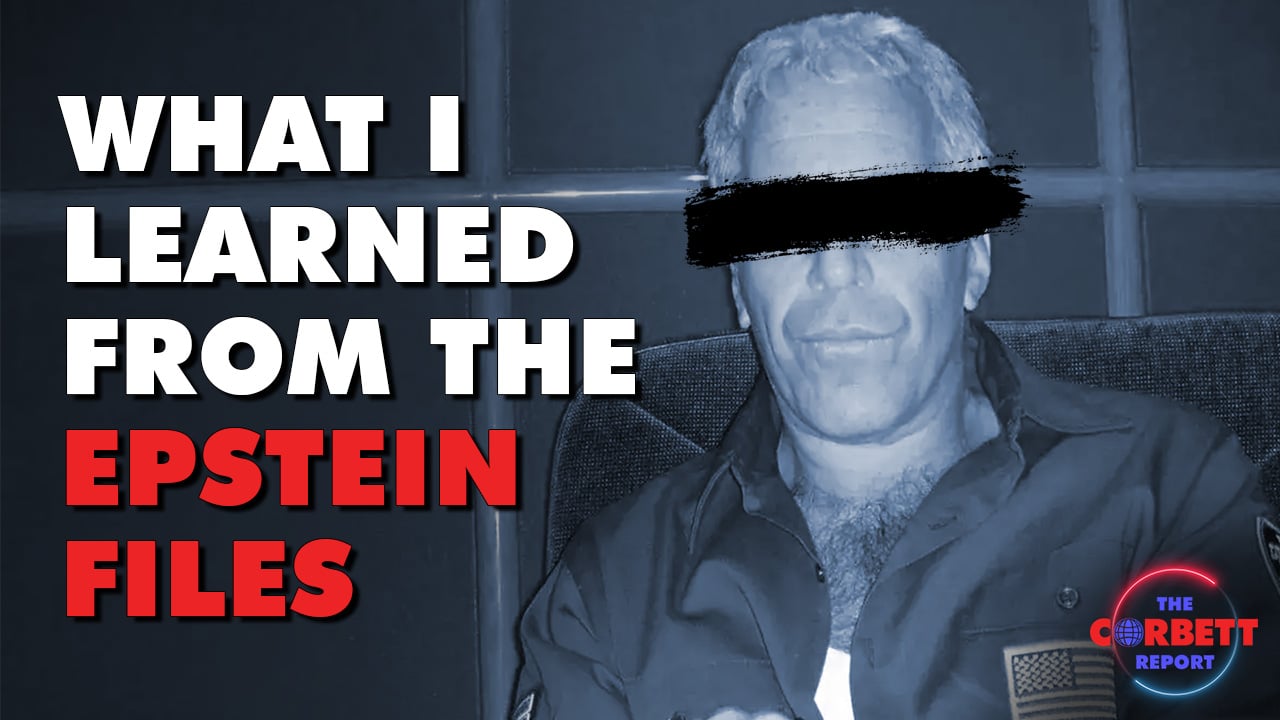
In the latest installment of The Corbett Report, host James Corbett peels back the layers of the newly unsealed Jeffrey Epstein court documents, delivering a sobering analysis that underscores the limits of official transparency in exposing elite pedophile networks. Far from the explosive revelations promised by breathless headlines, Episode 491—"What I Learned From the Epstein Files"—reveals a familiar pattern: confirmation of long-rumored connections among the global elite, but no smoking gun client list or prosecutorial accountability. Corbett methodically sifts through the 943 pages from the Giuffre v. Maxwell lawsuit, highlighting mentions of figures like Bill Clinton, Prince Andrew, and Alan Dershowitz while emphasizing the documents' role as depositions and motions rather than a comprehensive dossier of crimes.
Corbett points out the glaring omissions, such as the absence of any direct evidence linking high-profile names to Epstein's underage trafficking operation beyond what was already public knowledge. Names like Clinton appear over 50 times, often in contexts denying involvement, yet the former president's flights on the Lolita Express remain undisputed. Prince Andrew's settlement with Virginia Giuffre looms large, but Corbett stresses that the files recycle old allegations without advancing justice. He critiques the media's selective outrage, noting how outlets hyped the release for clicks while ignoring deeper threads, such as Epstein's financial ties to billionaires like Les Wexner and his enigmatic wealth accumulation.
At the episode's core lies Corbett's insistence that Epstein's operation was no rogue perversion but a sophisticated intelligence honeypot, potentially run by Mossad or CIA operatives. Drawing on Ghislaine Maxwell's family background—her father Robert Maxwell, a confirmed Israeli asset—Corbett connects dots to figures like Ehud Barak and the broader kompromat ecosystem used to control world leaders. The files, he argues, inadvertently bolster this theory by referencing Epstein's "massage" euphemisms and recruitment tactics, mirroring historical sex traps from the Profumo affair to modern spy craft. This framing shifts the narrative from tabloid scandal to geopolitical blackmail, explaining why prosecutions halt at street-level players like Maxwell.
Contextualizing the release amid 2024's political theater, Corbett warns of manufactured distractions diluting public scrutiny. The documents, unsealed by Judge Loretta Preska after years of redactions, stem from a 2015 defamation suit settled in 2017, yet only now surface due to mounting pressure from journalists and activists. Corbett praises independent researchers who've pieced together Epstein's web for years, contrasting their work with corporate media's amnesia on related stories like the Clinton Foundation or Silicon Valley's tech overlords named in flight logs.
Ultimately, Episode 491 serves as a masterclass in discerning signal from noise in the information war. Corbett's key lesson: don't expect the system to self-police its predators. The files affirm elite impunity, urging listeners to support decentralized investigations and demand unredacted records. As culture war fault lines deepen, this episode arms truth-seekers with the skepticism needed to navigate the next wave of "revelations," reminding us that real power lies not in court filings, but in who controls their narrative.