A Tampa, Florida man's account of ditching plastic and switching entirely to cash has gone viral on social media, landing in the middle of a heated online argument over whether cashless spending is quietly wrecking American household budgets.
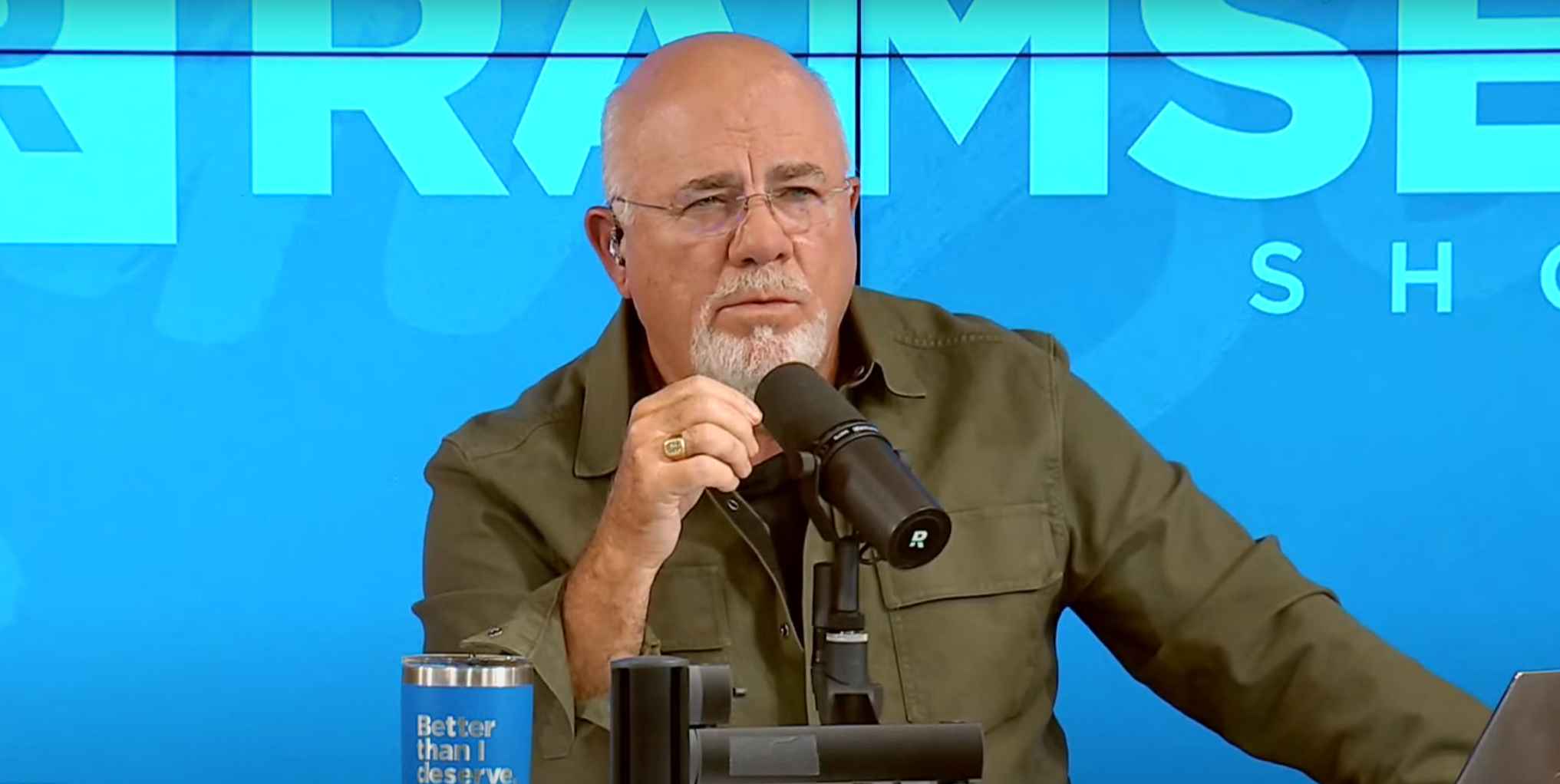
Robb Allen posted on X this week that he and his wife 'did the whole Ramsey thing' when they found themselves in debt and wanted out. The first move was blunt. Cash-only for everything.
'My wife had a habit of going to Target because she needed paper towels and coming home with two new outfits and some tchotchkes to put on the mantel,' Allen wrote.
She started carrying just enough cash for whatever she needed. Everything else went on a list to budget for later. The couple cleared their debt, minus the mortgage, during a stretch when Allen was unemployed. Heavy meal prep, aggressive coupon cutting, eating out maybe once a fortnight.
'We still ate well and enjoyed life,' he wrote. 'My daughters never went hungry or without.'
My wife and I did the whole Ramsey thing when we were in debt and wanted to get out.The first thing we did was completely move to cash for everything possible.My wife had a habit of going to Target because she needed paper towels and coming home with two new outfits and…https://t.co/MHp6kIjFfE
Allen's post did not arrive in isolation. On 18 May, a resurfaced clip of Shark Tank investorKevin O'Leary on The Diary of a CEO podcastwent viral after he criticised young workers earning $70,000 (£52,500) a year for spending $28 (£21) on lunch.
The clip, shared on X by @CryptoMikli, quickly accumulated millions of views and ignited a sprawling row dubbed 'lunchgate.'
Kevin O’Leary says Gen Z is financially cooked when people making $70K a year are spending $28 on lunchpic.twitter.com/7s820Xnhg9
Critics fired back. A $28 lunch is hardly extravagant in many American cities after inflation, delivery fees and service charges. O'Leary, whose net worth sits at an estimated $400 million (£300 million), was not universally seen as the most relatable voice on the matter.
Source: International Business Times UK
