Home-3D Printing Redefines Readiness at FlyTrap 5.0
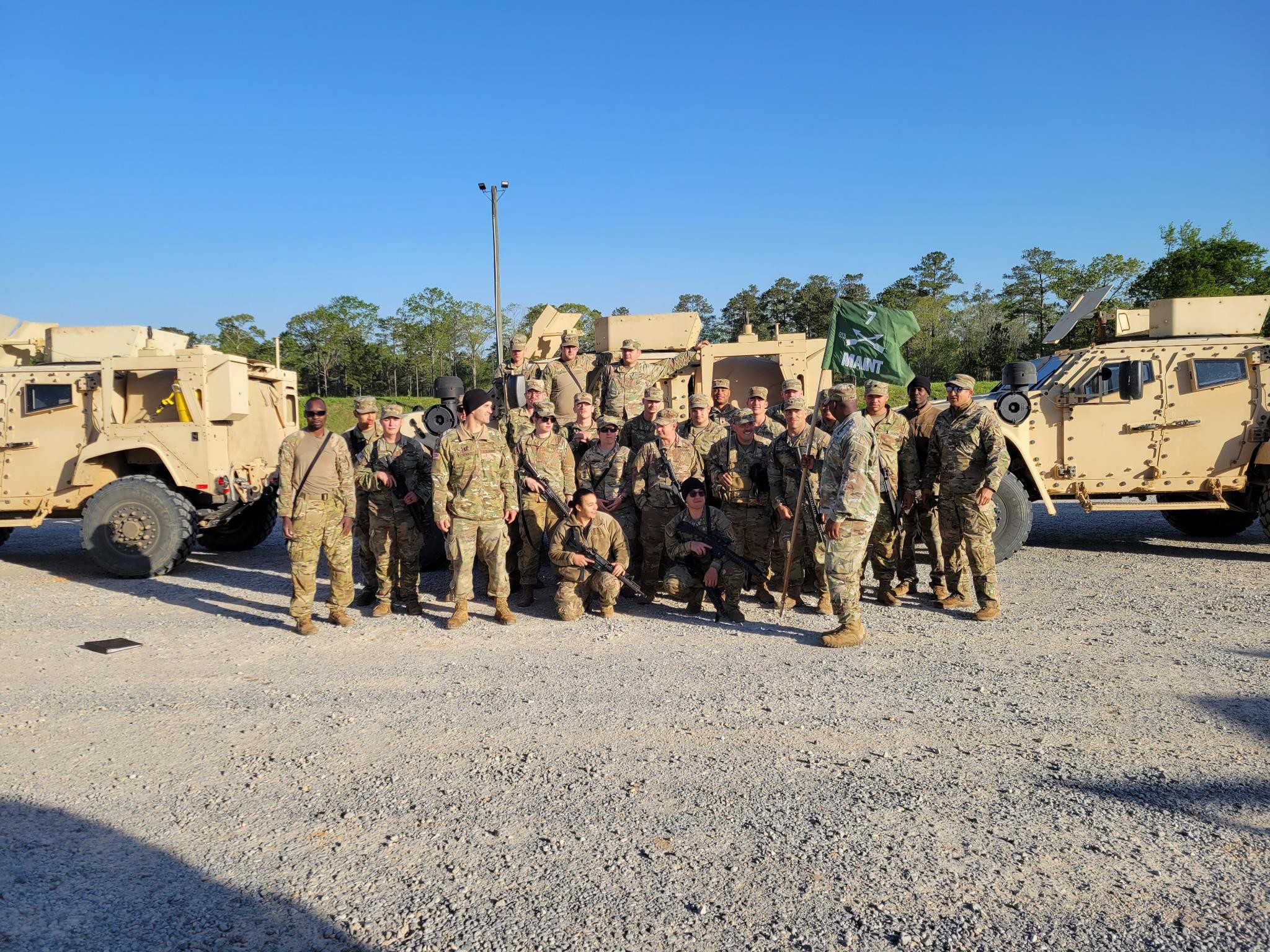
The2nd Armored Cavalry Regimentconcluded FlyTrap 5.0 in Lithuania this month, wrapping up a nearly month-long multinational exercise testing counter-drone systems, electronic warfare, and unmanned ground vehicles under live force-on-force conditions. Close to 1,000 troops from the United States, the United Kingdom, and allied nations took part. Among the most consequential outcomes was a 3D printer running inside a modular field shelter, producing components that existed in no supply catalog yet were needed immediately on the battlefield.
What the team accomplished, fabricating custom mounts and brackets to integrate vendor-supplied counter-UAS systems directly onto Stryker armored vehicles, is emerging as a reference point for how modern formations sustain operational capability when traditional supply chains cannot match the pace of combat.
A CAD File, a Printer, and a Problem to Solve
At the FlyTrap 5.0, a junior lieutenant and a sergeant identified a missing component, designed it on a CAD program, and printed it. Maj. Galen King, the regimental executive officer, described what that looked like in practice. “They were able to see a sub-component of a counter-UAS system, or a mount, or a bracket, be able to use a CAD program, and then fabricate an 80% solution that was able to take a piece of vendor kit and then integrate it onto our Stryker,” he said. “I think it’s really emblematic of the broader innovation and innovative spirit that we see across the regiment.”
The platoon arrived in Lithuania equipped with lathes, 3D printers, and both additive and subtractive manufacturing tools. Throughout the exercise they repaired drones damaged in force-on-force engagements, produced custom hardware on demand, and supported operations in both Lithuania and Poland within the same week.
Built Into the Formation, Not Bolted On
This wasn’t improvised. The regiment maintains roughly 20 printers at its home station in Rose Barracks, with additional units forward-deployed in modular shelters whenever it operates across Europe. The additive manufacturing platoon also has deep institutional history with the FlyTrap series; they were among the original contributors who 3D printed the regiment’s first tranche of drones in earlier iterations.
King was unambiguous about what that continuity means. “Expeditionary Additive Manufacturing is really just an essential component of what the regiment does when it deploys.” In a contested environment where resupply is slow or impossible, fabricating a part on-site in hours rather than waiting weeks is the difference between a system that stays in the fight and one that doesn’t.
A Doctrine Taking Shape Across the Force
Source: 3D Printing Industry
