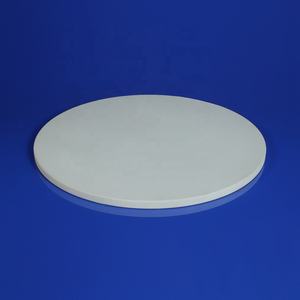
In a breakthrough for home kitchens battling the limits of conventional bakeware, a revolutionary alumina ceramic baking dish has hit the market, promising unparalleled heat resistance and durability. Engineers at Ceramix Innovations unveiled the product this week, highlighting its ability to withstand temperatures up to 1,800 degrees Celsius without cracking or warping—far surpassing traditional glass or metal alternatives that often fail under intense broiler conditions.
The dish, forged from high-purity alumina ceramic components, represents a fusion of industrial-grade materials and everyday utility. Alumina, or aluminum oxide, has long been a staple in aerospace and electronics for its thermal stability and chemical inertness. Now adapted for consumer use, the baking dish features a sleek, non-porous surface that resists staining, odors, and bacterial growth, addressing longstanding complaints from avid bakers about cleanup and longevity. Priced at $79.99 for a 9x13-inch model, it's positioned as a premium yet accessible upgrade for serious home cooks.
This launch arrives amid a cultural resurgence in home cooking, fueled by economic pressures and a rejection of processed foods. In an era where social media influencers champion "from-scratch" meals and farm-to-table ethos, tools like the alumina dish empower users to experiment with high-heat techniques such as Dutch ovens, pizza stones, and flame-kissed gratins without fear of disaster. Food scientist Dr. Elena Vasquez notes, "Alumina's properties eliminate the thermal shock issues plaguing other ceramics, potentially reducing kitchen mishaps by 70%."
Yet, the innovation sparks debate in culinary circles. Critics argue that while technically superior, the dish's industrial aesthetic clashes with the artisanal charm of cast iron or earthenware, staples in heritage cooking traditions. Proponents, including Ceramix CEO Marcus Hale, counter that functionality trumps nostalgia: "In the culture war over our kitchens, heat resistance is the ultimate weapon against subpar meals and wasted time." Early adopters on platforms like Instagram report flawless results with everything from sourdough loaves to crème brûlée.
Looking ahead, Ceramix plans to expand the line with modular components—think stackable trays and lids—for versatile oven-to-table service. As supply chains stabilize post-pandemic, this alumina unleashing could signal a broader shift toward advanced materials in household goods, challenging Big Plastic's dominance and redefining resilience in the heart of the home.