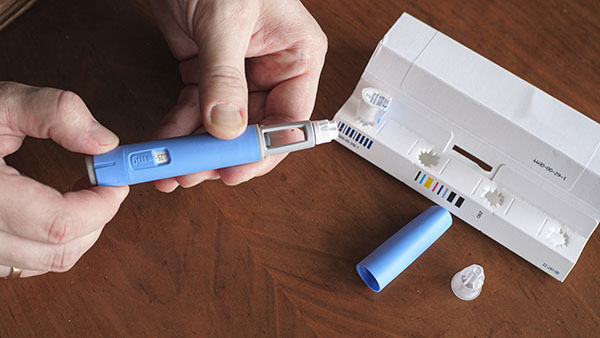
Millions of Americans turning to blockbuster weight loss drugs like Ozempic and Wegovy for rapid slimming may now face a terrifying new risk: sudden blindness. A bombshell study published in the Journal of the American Medical Association Ophthalmology has uncovered a potential link between semaglutide—the active ingredient in both medications—and non-arteritic anterior ischemic optic neuropathy (NAION), a condition that strikes without warning, causing irreversible vision loss in one eye. Researchers analyzed health records of over 16,800 patients and found those using semaglutide were up to seven times more likely to develop NAION compared to those on other diabetes or obesity treatments.
The findings stem from two large databases: one tracking over 17,000 NAION patients and another examining 1.6 million diabetes patients, including 1,700 with NAION. For semaglutide users, the risk appeared stark—hazard ratios indicated a 4.28-fold increase for NAION in diabetic patients and 7.64-fold in obese patients. NAION, often dubbed "eye stroke," occurs when blood flow to the optic nerve is blocked, leading to abrupt, permanent damage. Symptoms hit fast: patients wake up or glance away and return to find half their vision gone forever. Lead researcher Joseph Rizzo Jr., a neuro-ophthalmologist at Harvard Medical School, emphasized the need for caution, noting the study's observational nature doesn't prove causation but signals a worrisome association warranting further investigation.
Ozempic and Wegovy, manufactured by Novo Nordisk, have exploded in popularity since their approvals for type 2 diabetes in 2017 and weight loss in 2021, respectively. With U.S. prescriptions surpassing 9 million monthly by late 2023, they've generated billions in revenue while transforming lives—and waistlines. Yet side effects have mounted: gastrointestinal woes, muscle loss, and now this ocular threat. The drugs mimic GLP-1 hormones to curb appetite and slow digestion, but experts speculate they might constrict blood vessels or promote dehydration, indirectly starving the optic nerve. The FDA has not issued warnings specific to NAION, though it mandates black-box alerts for thyroid cancer risk and pancreatitis.
Novo Nordisk pushed back swiftly, stating the study shows "no new safety signals" and aligns with their extensive trial data. Company trials, involving over 10,000 patients, reported NAION cases too rare—0.1% or less—to flag concerns. Independent experts are divided: some, like retina specialist Shriji Patel, call for immediate label updates and patient alerts, while others urge restraint, pointing to confounding factors like obesity and diabetes themselves heighten NAION risk. Amid booming off-label use for celebrity-endorsed weight loss, this revelation fuels debates over rushed prescriptions and long-term unknowns.
As lawsuits pile up—over 200 filed alleging undisclosed risks—the culture war over "miracle" drugs intensifies. Critics lambast Big Pharma for prioritizing profits over safety, echoing past scandals like Vioxx. Proponents counter that benefits outweigh rare perils for the obese, where heart disease and diabetes kill millions yearly. With semaglutide clones flooding markets and trials for heart, kidney, and Alzheimer's benefits underway, regulators face pressure: will they demand more eye screenings, or let market forces decide? For now, users gamble with their sight, a stark reminder that no pill slims without shadows.
