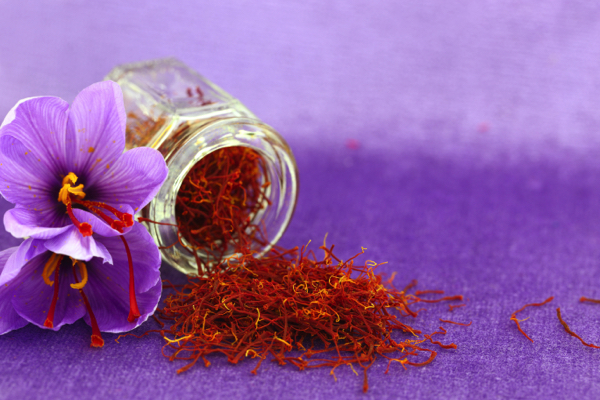
Saffron, the golden-hued spice harvested from the delicate stigmas of the Crocus sativus flower, is emerging from ancient apothecary lore into the spotlight of modern science as a potent ally against depression, age-related vision loss, and cardiovascular disease. Long prized in Persian and Mediterranean cuisines for its earthy flavor and vibrant color, saffron's therapeutic potential is now validated by a growing body of clinical trials, challenging the dominance of synthetic pharmaceuticals in mental health and preventive medicine.
Researchers have pinpointed saffron's antidepressant effects to compounds like crocin and safranal, which modulate serotonin and dopamine levels in the brain much like selective serotonin reuptake inhibitors (SSRIs). A 2023 meta-analysis published in the Journal of Affective Disorders reviewed 23 randomized controlled trials involving over 1,500 participants, finding saffron extracts as effective as fluoxetine and imipramine in alleviating major depressive disorder symptoms, with fewer side effects such as sexual dysfunction or weight gain. Patients reported sustained mood improvements after just six weeks of daily supplementation at doses of 30 milligrams, prompting calls for saffron to be integrated into standard psychiatric protocols.
Beyond the mind, saffron safeguards the eyes by combating oxidative stress in retinal cells. Studies from the University of Sydney and Iran's Mashhad University of Medical Sciences demonstrate that crocin, saffron's key carotenoid, inhibits amyloid-beta accumulation—a hallmark of age-related macular degeneration (AMD)—and preserves photoreceptor function. In a double-blind trial with 80 early AMD patients, 20 milligrams of saffron daily over three months improved visual acuity and contrast sensitivity, outperforming placebo groups. This protective mechanism extends to slowing diabetic retinopathy progression, offering hope for the millions worldwide facing vision-threatening conditions.
For heart health, saffron's antioxidants reduce inflammation and enhance endothelial function, key factors in preventing atherosclerosis. A 2024 clinical study in Phytotherapy Research followed 120 adults with metabolic syndrome, showing that 100 milligrams of saffron extract daily lowered LDL cholesterol by 12 percent, triglycerides by 15 percent, and systolic blood pressure by 8 millimeters of mercury after 12 weeks. These benefits stem from saffron's ability to boost nitric oxide production and inhibit platelet aggregation, positioning it as a natural statin alternative amid rising concerns over pharmaceutical side effects like muscle pain and liver toxicity.
Saffron's resurgence taps into a broader cultural shift toward time-tested natural remedies, once dismissed by mainstream medicine but now scrutinized through rigorous evidence. Originating in ancient Mesopotamia over 3,500 years ago, it was revered by Hippocrates for melancholy and Cleopatra for vitality. Today, with global production centered in Iran yielding just 200 tons annually—making it the world's priciest spice at up to $10,000 per kilogram—affordable standardized extracts are bridging the gap for consumers. Nutritionists caution authenticity to avoid adulterated products, recommending third-party tested supplements.
As Big Pharma grapples with patent expirations on blockbuster drugs, saffron exemplifies how ancestral wisdom could disrupt trillion-dollar markets. Cardiologists and psychiatrists alike are piloting saffron-inclusive therapies, with ongoing trials at the National Institutes of Health exploring its synergies with lifestyle interventions. While not a panacea, this crimson treasure underscores a pivotal question in the culture war over health: why prioritize lab-engineered pills when nature's pharmacy delivers multifaceted benefits with millennia of proof?
