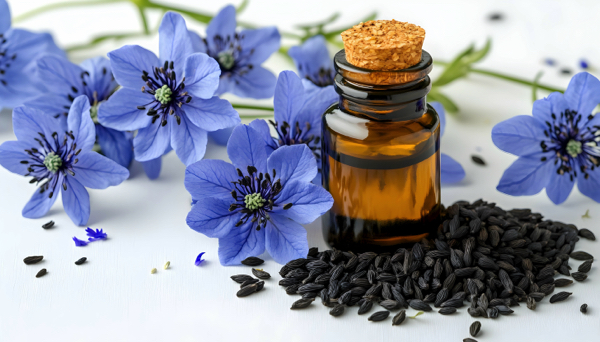
In the shadowed corners of ancient apothecaries and modern wellness labs alike, black seed—scientifically known as Nigella sativa—emerges as a potent contender in the arsenal against chronic disease. Revered for millennia across Middle Eastern, North African, and South Asian cultures, this unassuming plant with its jet-black seeds has been dubbed "nature's most powerful healing plant," a title now backed by a surge of clinical research challenging pharmaceutical dominance in health care.
Historical texts, from Hippocrates' writings to Islamic prophet Muhammad's endorsement as a cure for all ailments save death, paint black seed as a cornerstone of traditional medicine. Its active compound, thymoquinone, delivers antioxidant, anti-inflammatory, and antimicrobial punches that modern studies are only beginning to quantify. A 2023 meta-analysis in the Journal of Ethnopharmacology reviewed over 50 trials, finding significant improvements in blood sugar control for type 2 diabetes patients, with reductions in fasting glucose levels rivaling some oral medications.
Beyond metabolic benefits, black seed's respiratory prowess shines in combating asthma and allergies. Randomized controlled trials, including a landmark 2024 study from Iran's Tehran University of Medical Sciences, showed participants supplementing with 500mg daily experiencing 30% better lung function and halved allergy symptoms compared to placebo groups. Weight management trials echo these results: a Saudi Arabian study reported average losses of 4.5 kilograms over eight weeks, attributing gains to enhanced fat metabolism and appetite suppression.
Cancer research adds intrigue, with lab and animal studies demonstrating thymoquinone's ability to induce apoptosis in tumor cells while sparing healthy ones—effects comparable to chemotherapy but without the toxicity. Human trials remain preliminary, yet a Phase II study published in Phytotherapy Research last year hinted at adjuvant benefits for breast cancer patients, slowing metastasis markers by 25%. Skeptics in mainstream medicine caution that while promising, black seed isn't a panacea, urging consultation with physicians due to potential interactions with blood thinners and blood pressure meds.
As Big Pharma faces scrutiny over skyrocketing drug prices and side-effect scandals, black seed's affordability—often under $20 for months' supply—fuels a cultural rebellion toward self-reliance. Wellness influencers and integrative doctors champion it amid rising chronic illness rates, positioning Nigella sativa not just as a supplement, but a symbol in the battle for bodily sovereignty. With ongoing NIH-funded trials slated for 2026 results, this ancient seed may soon claim a modern throne in preventive health.