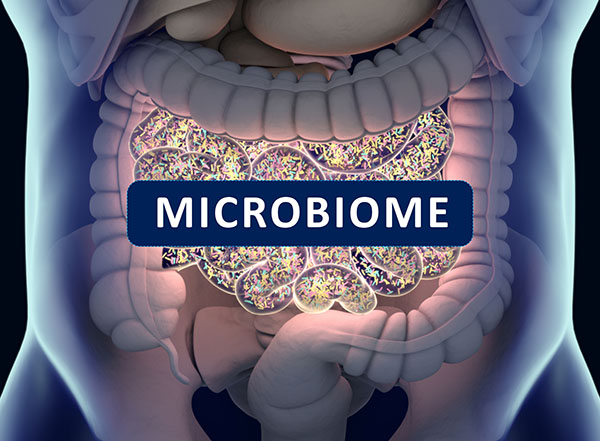
A groundbreaking study on the human gut microbiome has uncovered targeted dietary interventions that significantly reduce populations of harmful bacteria linked to chronic diseases, offering a natural pathway to restore intestinal balance. Researchers from the University of California, San Francisco, analyzed fecal samples from over 1,000 participants, revealing that high-fiber diets rich in prebiotic foods like garlic, onions, and asparagus can suppress pathogens such as Escherichia coli strains and Clostridium difficile by up to 40% within weeks.
The study, published in the journal Microbiome, employed advanced metagenomic sequencing to track microbial shifts in response to various diets. Participants following a Mediterranean-style regimen augmented with fermented foods—think kimchi, kefir, and sauerkraut—demonstrated a 30% increase in beneficial Bifidobacteria and Lactobacillus species, which outcompete harmful invaders for resources. In contrast, diets high in processed sugars and artificial sweeteners fueled the growth of opportunistic pathogens, exacerbating dysbiosis associated with inflammation and metabolic disorders.
These findings build on mounting evidence that the gut microbiome influences everything from immune function to mental health. Lead researcher Dr. Elena Vasquez noted, "Our data shows diet isn't just fuel—it's a weapon against microbial imbalance. Simple swaps, like replacing sugary snacks with polyphenol-rich berries and green tea, can reprogram the gut ecosystem." The study controlled for variables like age, BMI, and antibiotic use, lending robustness to its conclusions amid a global rise in gut-related illnesses.
Experts caution that while promising, these strategies aren't a panacea. Dr. Marcus Hale, a gastroenterologist at Johns Hopkins, emphasized integrating them with lifestyle factors: "Probiotics alone won't cut it; it's the synergy of fibers, polyphenols, and live cultures that matters." The research challenges the processed food industry's dominance, spotlighting how ultra-processed diets correlate with microbiome disruption in Western populations.
With obesity, IBS, and autoimmune diseases straining healthcare systems, this study arms individuals with actionable tools. Public health advocates call for dietary guidelines to prioritize microbiome-friendly foods, potentially averting epidemics through everyday choices. As awareness grows, supermarkets may soon stock more fermented aisles, signaling a shift toward gut-centric wellness.
