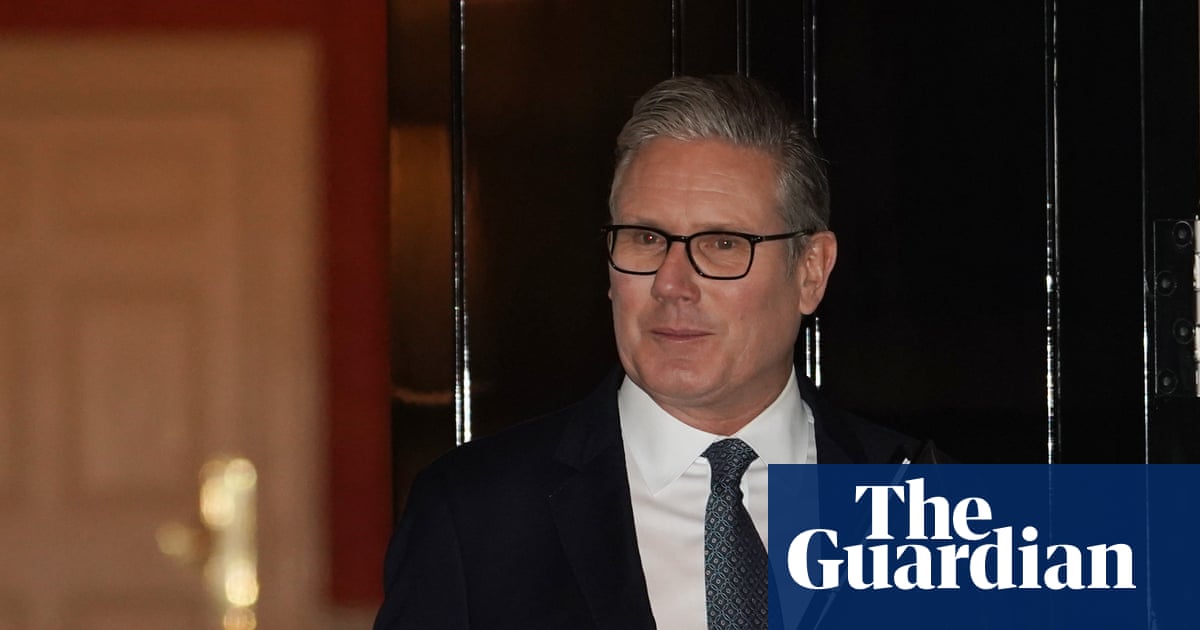
Britain's political landscape teetered on the edge Monday as Prime Minister Keir Starmer faced mounting rebellion within his own Labour Party, with whispers of a leadership challenge growing louder amid plummeting approval ratings and fresh electoral humiliations. Just weeks after a disastrous by-election loss in a safe Labour seat, more than 50 MPs have reportedly signed a letter demanding Starmer step aside, citing his government's mishandling of the economy, immigration chaos, and a string of policy U-turns that have eroded public trust.
The catalyst for the unrest traces back to Labour's controversial budget last autumn, which slashed winter fuel payments for millions of pensioners while hiking taxes on working families. Polls now show Labour trailing the Conservatives by double digits, a stark reversal from their landslide victory in 2024. Starmer's personal approval rating has cratered to 18 percent, the lowest for any modern prime minister at this stage in their term, fueling discontent among backbenchers who fear annihilation in the next general election.
Opposition leaders seized the moment, with Conservative chief Richard Holden declaring Starmer's premiership "finished," urging a no-confidence vote in Parliament. Reform UK's Nigel Farage, whose party scooped up disaffected voters in recent locals, piled on, accusing Labour of betraying its working-class base with "woke obsessions" and open-border policies that have seen record small boat crossings. Even within Labour's ranks, heavyweights like Deputy Prime Minister Angela Rayner have been spotted distancing themselves, hinting at contingency plans.
Contextually, Starmer's woes echo the rapid falls of predecessors like Liz Truss and Rishi Sunak, but his predicament feels uniquely self-inflicted. Promised reforms on housing and NHS waiting lists have stalled amid union strikes and fiscal black holes, while cultural flashpoints—such as the government's tepid response to urban riots and grooming gang inquiries—have alienated both traditional voters and the progressive wing. Analysts point to a perfect storm: economic stagnation, with inflation ticking up again, compounded by Starmer's perceived lack of charisma and conviction.
Looking ahead, Starmer's survival hinges on a critical party meeting this week, where he must quell the mutineers or risk a formal contest. If he clings on, a snap election looms as the only escape hatch, though current projections spell doom for Labour. For a government born on promises of stability, the threadbare hold on power underscores a brutal truth: in British politics, voter patience is finite, and Starmer's may have just run out.
