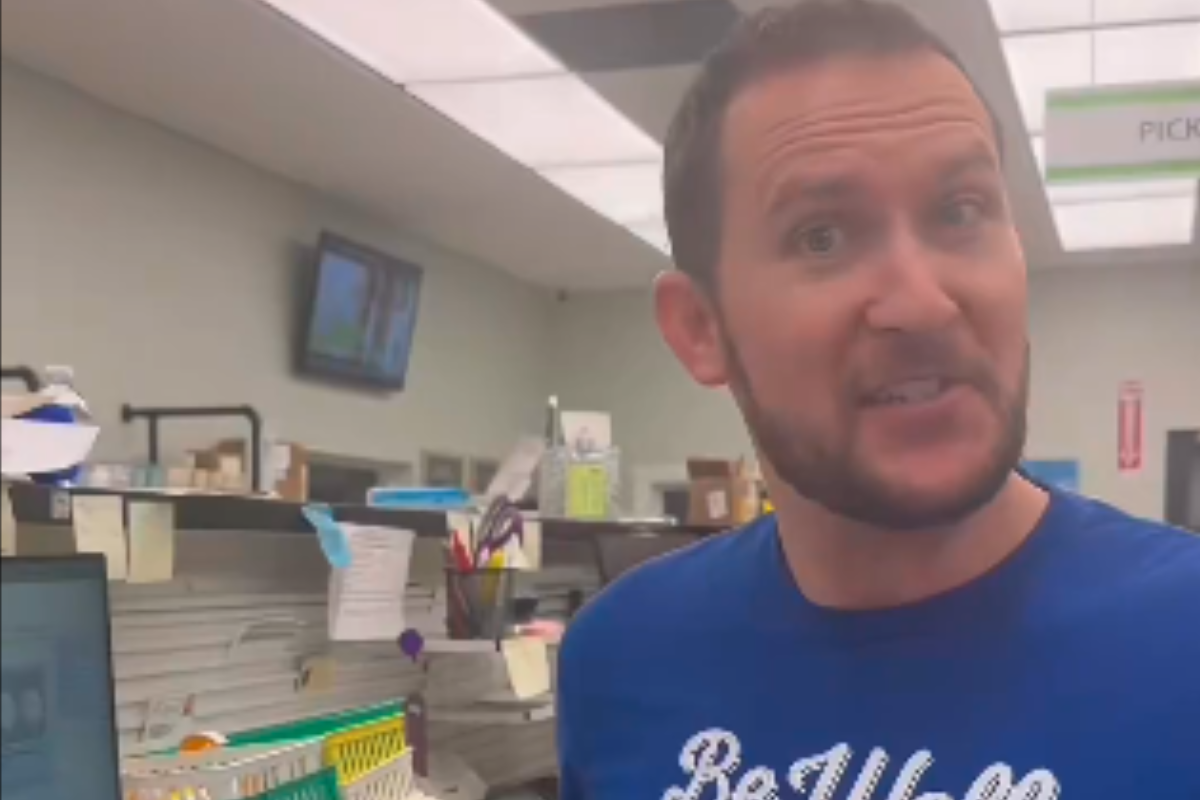
A CVS pharmacy worker has lifted the lid on theAmerican healthcaresystem's pricing dysfunction, revealing in a viral social media video howinsurance companies charge patients nearly 2,400 per cent morethan the actual cost of dispensing medication. The pharmacy staff member explained in the widely shared clip how she processed a prescription that costs less than $4 (£3.05) to dispense, only to discover the patient's insurance company wants to charge them $97.06 (£74.10) for the same medication.
'Say that again. We have a claim for a prescription that costs less than four dollars. The insurance wants to charge the patient ninety-seven dollars', the worker states in the video, highlighting the stark disparity between actual drug costs and what patients are billed. The video exposes a critical issue within American healthcare where pharmacy workers become the face of a pricing system they neither control nor benefit from, forced to defend charges set by insurance intermediaries known as pharmacy benefit managers.
The CVS employee's frustration centres not just on the pricing discrepancy but on the inevitable confrontation that follows. 'We're going to get yelled at by the patient and they're going to blame us for their insurance charging them that price saying we made it that price', the worker explains, ending with a sarcastic 'Love you, CVS'.
According to research from theCommonwealth Fund, PBMs operate at the centre of a complex distribution chain for prescription drugs, connecting drug manufacturers, payers, pharmacies, and patients. The three largest PBMs in America, OptumRx, Express Scripts, and CVS Caremark, manage 79 per cent of prescriptiondrug claims, giving them enormous control over medication pricing.
When PBMs engage in spread pricing, where they charge insurers more for a drug than what they actually reimburse the pharmacy, this creates the exact scenario the CVS worker described. According to theCentre for American Progress, some of those cost savings are captured by the PBMs and passed on to patients as higher premiums and cost sharing.
In January 2025, CVS announced that all commercial prescriptions dispensed at CVS pharmacies would be reimbursed using a 'cost plus' model calledCostVantage, where pharmacies receive the cost of the drug plus a set markup and additional pharmacist fee. However, the transition to more transparent pricing models has been slow across the industry.
Real-world examples of the pricing disparities have emerged from independent pharmacies as well. PharmacistNate Huxin Pickerington reported selling a patient Celecoxib, a generic anti-inflammatory drug, for $23.05 (£17.60), while when the patient used her insurance, her copayment alone had been $141 (£107.65).
The Federal Trade Commission has taken action against these practices. In February 2026, the FTC secured a settlement with Express Scripts over its business practices, alleging that Express Scripts inflated insulin costs by pushing drug manufacturers to compete for formulary placement based on the size of rebates off the list price rather than net price.
A House Committee on Oversight and Accountabilityreportreleased in July 2024 found evidence that PBMs share patient information and data across their many integrated companies for the specific and anticompetitive purpose of steering patients to pharmacies a PBM owns. The investigation also discovered that PBMs have intentionally overcharged or withheld rebates and fees from many taxpayer-funded health programmes.
The committee's findings painted a picture of a system where PBMs frequently tout the savings they provide through negotiation and drug utilisation programmes, even though evidence indicates these schemes often increase costs for patients and payers. The largest PBMs force drug manufacturers to pay rebates in exchange for favourable placement on formularies, making it difficult for competing, lower-priced prescriptions to gain access.
Source: International Business Times UK
