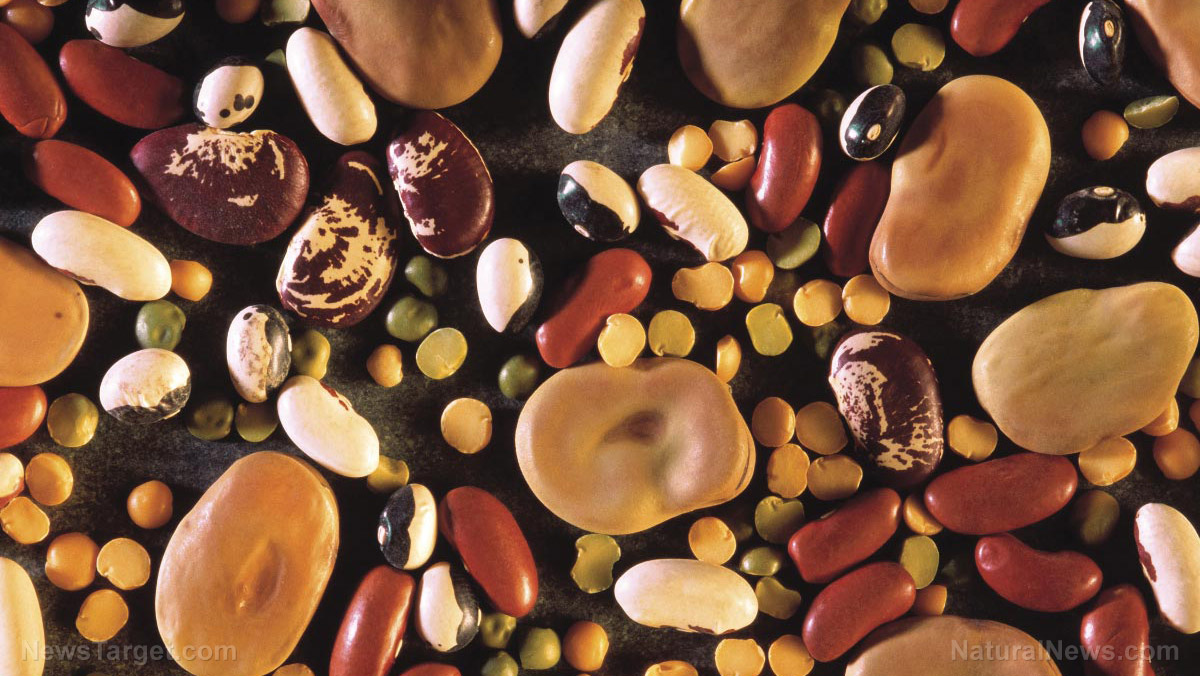
High-protein, fiber-rich soups made with split peas, black beans and lentils are gaining traction for their affordability, satiety-promoting qualities and health benefits.Beans, lentils and peas provide substantial plant-based protein and fiber per cup, aiding muscle maintenance and digestion and prolonging fullness.Canned or pre-packaged versions often contain excessive sodium (up to 27% daily limit per serving), making homemade preparations a healthier choice.Split pea and ham (14.2 g protein), black bean (9.6 g protein), lentil (9.7 g protein) and beef barley (8.2 g protein) offer balanced nutrition but require mindful ingredient selection.Opt for low-sodium, broth-based, whole-grain or legume-flour pasta versions. Avoid heavy cream and prioritize lean proteins or vegetables to maximize benefits.
Beans, lentils and peas provide substantial plant-based protein and fiber per cup, aiding muscle maintenance and digestion and prolonging fullness.Canned or pre-packaged versions often contain excessive sodium (up to 27% daily limit per serving), making homemade preparations a healthier choice.Split pea and ham (14.2 g protein), black bean (9.6 g protein), lentil (9.7 g protein) and beef barley (8.2 g protein) offer balanced nutrition but require mindful ingredient selection.Opt for low-sodium, broth-based, whole-grain or legume-flour pasta versions. Avoid heavy cream and prioritize lean proteins or vegetables to maximize benefits.
Canned or pre-packaged versions often contain excessive sodium (up to 27% daily limit per serving), making homemade preparations a healthier choice.Split pea and ham (14.2 g protein), black bean (9.6 g protein), lentil (9.7 g protein) and beef barley (8.2 g protein) offer balanced nutrition but require mindful ingredient selection.Opt for low-sodium, broth-based, whole-grain or legume-flour pasta versions. Avoid heavy cream and prioritize lean proteins or vegetables to maximize benefits.
Split pea and ham (14.2 g protein), black bean (9.6 g protein), lentil (9.7 g protein) and beef barley (8.2 g protein) offer balanced nutrition but require mindful ingredient selection.Opt for low-sodium, broth-based, whole-grain or legume-flour pasta versions. Avoid heavy cream and prioritize lean proteins or vegetables to maximize benefits.
Opt for low-sodium, broth-based, whole-grain or legume-flour pasta versions. Avoid heavy cream and prioritize lean proteins or vegetables to maximize benefits.
Limit sodium: Opt for low-sodium or homemade versions to avoid excessive salt intake.Boost fiber: Prioritize soups with beans, lentils or vegetables for better digestion and satiety.Select lean proteins: Skinless poultry, fish or plant-based proteins like lentils reduce unhealthy fat intake.Avoid heavy cream: Choose broth-based soups or low-fat dairy alternatives to cut unnecessary calories.Opt for whole grains: Substitute refined pasta or rice with whole-wheat or legume-based alternatives for added fiber.
Boost fiber: Prioritize soups with beans, lentils or vegetables for better digestion and satiety.Select lean proteins: Skinless poultry, fish or plant-based proteins like lentils reduce unhealthy fat intake.Avoid heavy cream: Choose broth-based soups or low-fat dairy alternatives to cut unnecessary calories.Opt for whole grains: Substitute refined pasta or rice with whole-wheat or legume-based alternatives for added fiber.
Select lean proteins: Skinless poultry, fish or plant-based proteins like lentils reduce unhealthy fat intake.Avoid heavy cream: Choose broth-based soups or low-fat dairy alternatives to cut unnecessary calories.Opt for whole grains: Substitute refined pasta or rice with whole-wheat or legume-based alternatives for added fiber.
Avoid heavy cream: Choose broth-based soups or low-fat dairy alternatives to cut unnecessary calories.Opt for whole grains: Substitute refined pasta or rice with whole-wheat or legume-based alternatives for added fiber.
Opt for whole grains: Substitute refined pasta or rice with whole-wheat or legume-based alternatives for added fiber.
Source: NaturalNews.com
