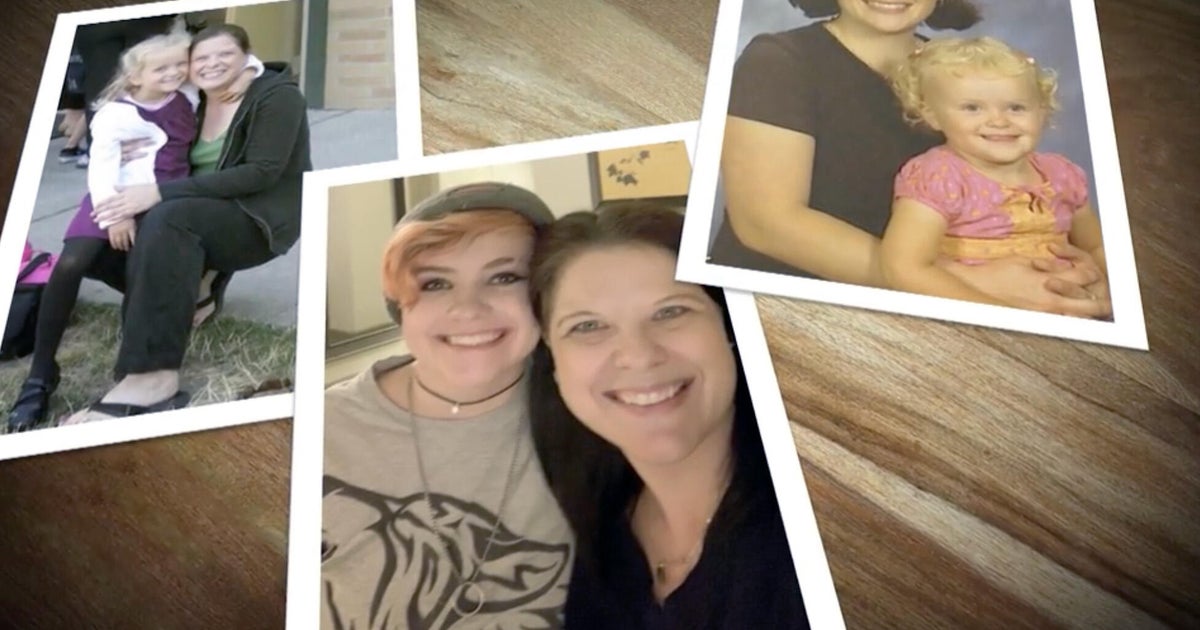
Taylor Kiesel says she hasn't slept through the night in three years.
"I wake up screaming, in a panic," the 20-year-old said. These days she surrounds herself with reptiles she's been collecting since childhood — Russian tortoises, geckos and snakes. Starting an animal rescue operation out of her home just outside Seattle has helped her turn what she calls "anger and sadness and passion" into something purposeful.
Getting to this point, she says, wasn't the result of the mental health treatment she received — it was despite it.
Taylor's struggles began early. Her father left when she was 5. In first grade, she was diagnosed with autism. By the time she was 6, she was expressing thoughts of self-harm.
"I remember driving in the car and she said, 'Mom, what would happen if I just jumped out of the car right now?'" recalled her mother, Rachelle. "It's not something that you would normally hear from a 6-year-old."
After years of therapy and multiple hospitalizations failed to keep Taylor safe, Rachelle says a consultant recommended a longer-term placement at a residential treatment center in Missouri called Change Academy Lake of the Ozarks, or CALO. She toured the facility, spent hours on the phone with staff and said she asked nearly a hundred questions before agreeing.
"The first thing you think of as a parent is, I'll do whatever it takes just to make sure that she's OK," she said. "I did a lot of homework."
But once she arrived, Taylor says she felt right away that something was wrong.
"The way that other kids treated each other, how the staff would pit us against each other — that was not normal," she said.
Taylor and Rachelle Kiesel are now among 15 families suing CALO in civil court, with allegations ranging from negligent infliction of emotional distress to battery. CALO declined to sit down for an interview but told CBS News in a statement the lawsuits are "without merit," denying all allegations of abuse, neglect and battery.
Source: Drudge Report
