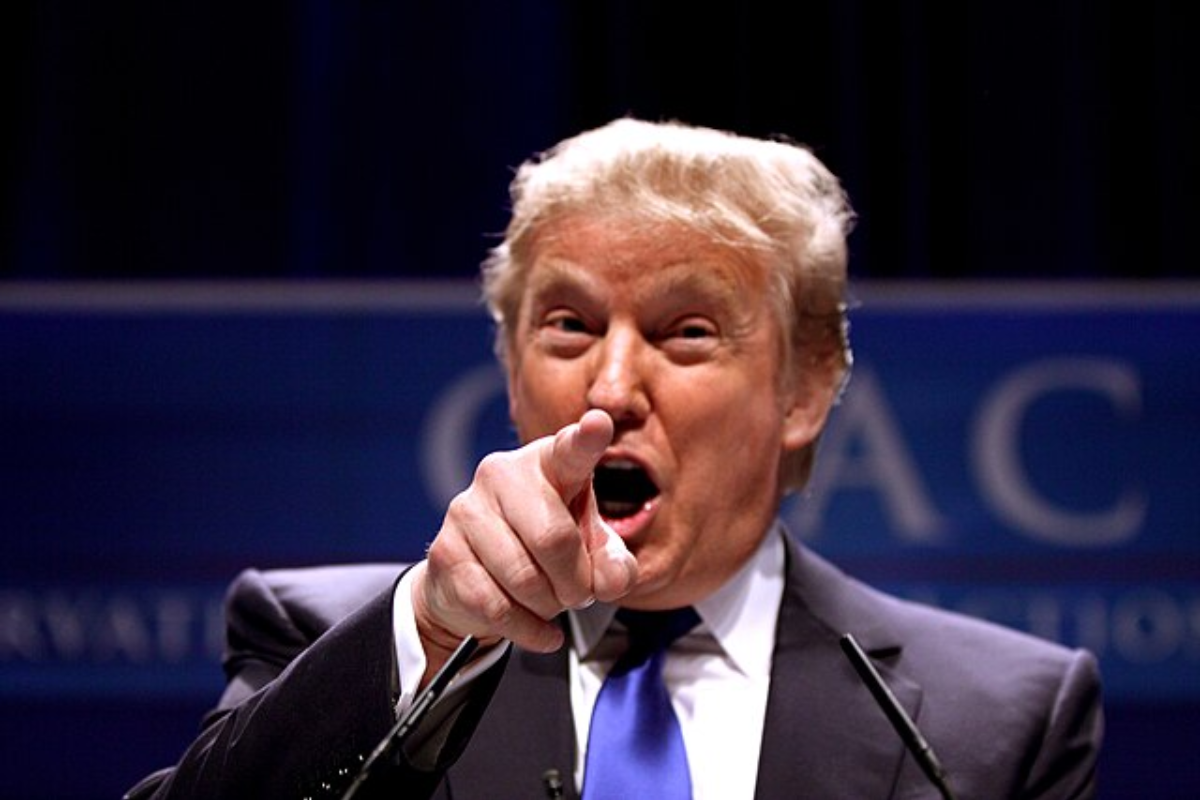
A surge of late-night social media posts and a closely controlled public schedule have ignited renewed scrutiny over Donald Trump's cognitive health, with critics invoking the medical term 'sundowning' to question whether the president is showing signs of age-related decline. In recent months, Trump's overnight activity on Truth Social and his limited daytime public appearances have become flashpoints in a wider debate about ageing leadership in American politics, with supporters dismissing the speculation as partisan attacks whilst detractors argue that the pattern warrants serious examination.
The term now circulating online, 'sundowning', carries a specific medical meaning. It is not a casual insult but a clinical phenomenon associated with dementia and other neurocognitive disorders.
'Sundowning' refers to a cluster of symptoms that emerge or worsen in the late afternoon and evening amongst some patients with dementia. According to the Alzheimer's Association, the condition can include confusion, agitation, anxiety, pacing, and mood changes that intensify as daylight fades.
The phenomenon is not itself a diagnosis. It is most commonly observed in individuals with Alzheimer's disease and other major neurocognitive disorders, often in moderate to advanced stages. Medical literature suggests that disrupted circadian rhythms, fatigue, reduced lighting, and hormonal changes may contribute.
Clinicians emphasise that sundowning is typically assessed through sustained behavioural observation in a clinical or caregiving setting, not through isolated public appearances or online posts. In a 2020 interview on the Cleveland Clinic's YouTube channel, geriatric psychiatrist Dr Ryan Hall explained that sundowning 'is something caregivers notice over time, not something you diagnose from a single behaviour or a single evening'.
Donald Trump, who turned 79 on 14 June 2025, maintains an active presence on Truth Social, often posting in the early hours of the morning. Archived timestamps show frequent activity between midnight and 3 am Eastern Time, including policy statements, personal grievances, and campaign messaging.
In a televised interview with Fox News host Sean Hannity on 12 September 2023, Trump said he sleeps 'not much' and described himself as someone who has 'always been a late-night person'. He framed his schedule as a long-standing personal trait rather than a recent change.
Former White House aides have previously described Trump's unconventional hours. In sworn testimony to the US House Select Committee on the January 6 Attack, former aide Cassidy Hutchinson recounted late-night calls and erratic pacing during periods of political crisis.
Court filingsin civil cases show extended, combative exchanges during daytime proceedings. The transcripts reveal rhetorical aggression and repetition, traits long associated with Trump's public persona, but they do not contain medical assessments.
Observers have pointed to Trump's structured campaign schedule, with public rally appearances typically concentrated in the late afternoon or early evening and fewer unscripted daytime events compared with some past cycles. Campaign spokespeople have not publicly attributed this to health considerations, describing the schedule as 'strategic' in October 2025 interviews.
Source: International Business Times UK
