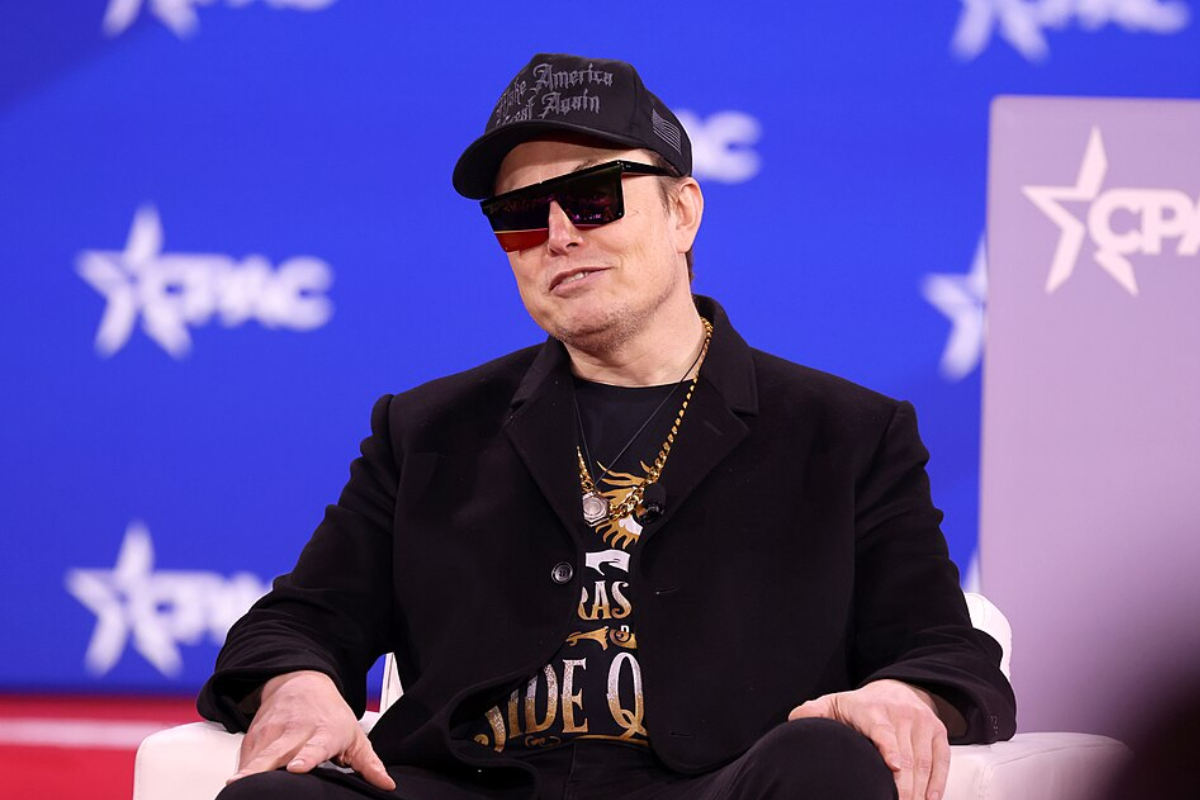
A federal jury in Oakland, California, unanimously rejected Elon Musk's lawsuit against OpenAI and its chief executive, Sam Altman, on Monday, finding that the world's richest man had simply waited too long to bring his case to court. The verdict, which the nine-member jury reached in undertwo hoursof deliberations, ends a dramatic three-week trial that drew some of the biggest names in Silicon Valley to the witness stand.
The ruling dismisses Musk's bid to claw back what he claimed were ill-gotten gains from OpenAI's shift away from its founding nonprofit mission — and, crucially, removes a significant legal cloud hanging over OpenAI's anticipated public listing. OpenAI is targeting an initial public offering in the final quarter of 2026, aiming for a valuation ofone trillion dollars(£740.6bn).
At the heart of the jury's decision was a statute of limitations argument advanced by OpenAI's legal team. The jury ruled that Musk had waited too long to bring his lawsuit, finding Altman, co-founder Greg Brockman, and OpenAI not liable on all claims. On the same grounds, the jury also rejected Musk's allegation that Microsoft had aided and abetted OpenAI in allegedly breaching its charitable trust.
Musk had testified during the trial that he delayed filing because he believed reassurances from Altman over the years. 'Thinking that someone might steal your car is not the same as someone stealing it,' Musksaidon the stand. 'I would have filed a lawsuit sooner if I thought they had stolen the charity sooner.'
JudgeYvonne Gonzalez Rogersoffered little comfort to Musk's camp after the verdict was read. 'There was a substantial amount of evidence to support the jury's finding, which is why I was prepared to dismiss it on the spot,' she said.
Musk — who donated $38 million (£28.1m) to OpenAI before eventually launching his own AI venture, xAI — had argued that Altman and Brockman betrayed the organisation's original mission when they built out a for-profit structure and raised billions in outside investment. During his time on the witness stand, he repeatedly insisted: 'This lawsuit is very simple — it is not OK to steal a charity.'
OpenAI's lawyerscounteredthat nothing tied Musk's donations to any specific purpose, and that converting the organisation into a for-profit entity was the only viable path to keeping pace with rivals such as Google DeepMind. The defence also presented evidence suggesting Musk had himself proposed a for-profit model, provided he was given control of the company, and had at one stage pushed for OpenAI to be absorbed into Tesla.
OpenAI's counselWilliam Savittlanded what may have been the trial's sharpest line in his closing argument: 'Mr Musk may have the Midas touch in some areas, but not in AI.'
Much of the three weeks centred on whether Altman could be trusted. Musk's legal team called multiple senior OpenAI figures who questioned Altman's candour, including former head of technology Mira Murati, who said in taped testimony: 'My concern was about Sam saying one thing to one person and completely the opposite to another person.'
Musk's lead lawyer, Steven Molo, pressed the point in closing arguments, telling jurors to imagine crossing a bridge built on 'Sam Altman's version of the truth.' Altman, for his part, pushed back on Musk's framing from the witness stand: 'It feels difficult to even wrap my head around that framing,' he said of the 'steal a charity' accusation.
Source: International Business Times UK
